

 Travel Essentials
 Travel Essentials

Comprehensive guide covering permits, best time to hike, packing essentials, training advice, and key tips for the iconic Inca Trail adventure in Peru.
 Travel Essentials
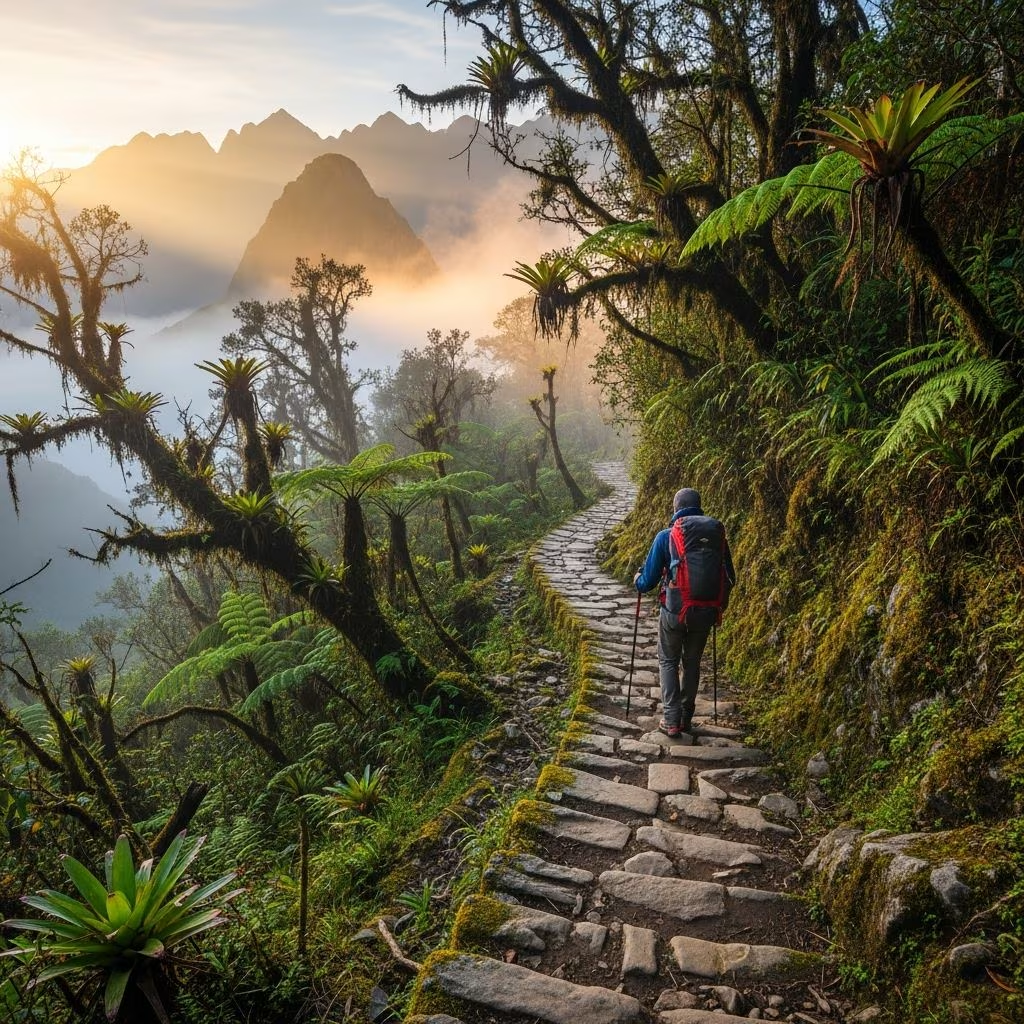
Embarking on the Inca Trail offers hikers a profound journey through ancient Andean paths leading to the majestic Machu Picchu. This multi-day trek demands careful preparation in areas like securing access, selecting gear, building fitness, and understanding daily challenges. With strict regulations and variable high-altitude conditions, proper planning ensures safety and enjoyment.
Access to the Inca Trail is tightly controlled to preserve this UNESCO World Heritage site. Hikers must obtain permits in advance through licensed tour operators, as independent trekking is prohibited. Permits cover the classic 4-day/3-night route or shorter alternatives, with daily quotas capping at 500 trekkers including guides and porters.
Book at least six months ahead for peak season (June-August), when demand peaks. Prices range from $500-$800 USD per person, including permits, meals, gear transport, and entry fees. Verify operator credentials via Peru’s Ministry of Foreign Trade and Tourism (MINCETUR) directory for authenticity.
The trail operates year-round except February for maintenance. Dry season (May-September) features clear skies but colder nights dropping to 0°C (32°F). Wet season (November-January) brings lush greenery, fewer crowds, but frequent rains and potential trail closures.
Shoulder months like April-May or September-October balance weather and availability. Altitude reaches 4,215m (13,828ft) at Dead Woman’s Pass, so acclimatization in Cusco (3,399m/11,152ft) for 2-3 days is crucial to mitigate altitude sickness.
| Season | Pros | Cons | Avg. Temp (Day/Night) |
|---|---|---|---|
| Dry (Jun-Aug) | Clear views, dry paths | Crowded, cold nights | 18°C/0°C |
| Shoulder (Apr-May, Sep-Oct) | Mild weather, wildflowers | Variable rain | 20°C/5°C |
| Wet (Nov-Jan) | Green landscapes, quiet | Muddy trails, leeches | 22°C/8°C |
The 43km (26.7mi) trail involves steep ascents, descents, and 4-9 hour daily hikes. Train 3-6 months prior with cardio (running, cycling), strength (squats, lunges), and endurance hikes carrying 5-10kg loads. Simulate stairs and hills to prepare for 1,200m gains on Day 2.
Focus on core stability and knee support; trekking poles reduce joint impact by 25% per studies in the Journal of Sports Medicine. Mental resilience is key—visualize the reward of Sun Gate sunrise views.
Porters carry up to 7kg duffels, so limit personal loads to a 20-30L daypack for water, snacks, layers, and valuables. Prioritize moisture-wicking, quick-dry items for variable microclimates from cloudforest to alpine tundra.
Layering combats 20°C day highs and sub-zero nights. Base: Merino wool for odor resistance. Mid: Fleece for warmth. Outer: Waterproof/windproof jacket and pants.
Rent sleeping bags if needed; bring liners for hygiene. Camps have basic toilets; pack biodegradable soap.
| Item | Why Essential | Recommendations |
|---|---|---|
| Trekking poles | Joint protection, balance on descents | Adjustable, cork grips; rent if needed |
| Headlamp + batteries | Camp navigation, early starts | Petzl or similar, 200+ lumens |
| Water system (2-3L) | Hydration at altitude | Bladder + purifier tablets |
| Sun protection | UV intensifies 50% at height | SPF50+, lip balm, hat, sunglasses |
| Power bank (10,000mAh) | Charge devices | Solar optional |
Snacks like nuts, bars, electrolytes sustain energy between meals. Small cash (S/200) for tips and campside buys.
Day 1: 12km gentle start through cloudforest to Llactapata camp. Acclimatize, enjoy ruins.
Day 2: Toughest at 11km; summit Dead Woman’s Pass, descend to Pacaymayu. Porters shine here.
Day 3: 16km exploration of Runkuraqay, Sayacmarca, Phuyupatamarca. Stair-heavy descents test knees.
Day 4: 5am Inti Punku entry; 2-3hr hike to Machu Picchu. Guided tour follows.
Hydrate aggressively (4-5L/day), eat carb-rich porter meals. Soroche pills aid mild altitude symptoms; evacuate for severe cases. Tip porters fairly (S/100-150 total) at journey’s end.
Follow Leave No Trace: Pack out waste, respect ruins. Choose eco-operators minimizing porter loads to 20kg max per Peru regulations.
Moderate fitness suffices with training; no technical skills required, but steep sections challenge novices.
7kg personal gear; operators enforce to protect porters.
Salkantay, Lares, or train-to-Machu Picchu options available.
Yes, covering evacuation and cancellation; mandatory for most tours.
Request in advance; porters accommodate dietary needs.
