

 Travel Essentials
 Travel Essentials

Rare Inca Trail fatalities reveal the real risks behind the Machu Picchu trek—and how preparation, guides, and caution keep hikers safe.
 Travel Essentials
The Inca Trail to Machu Picchu draws around 25,000 adventurers annually, offering breathtaking views and ancient ruins, but it has witnessed rare yet tragic fatalities over decades. These incidents, often linked to falls, landslides, or health crises, underscore the need for preparation despite the trail’s overall safety record.
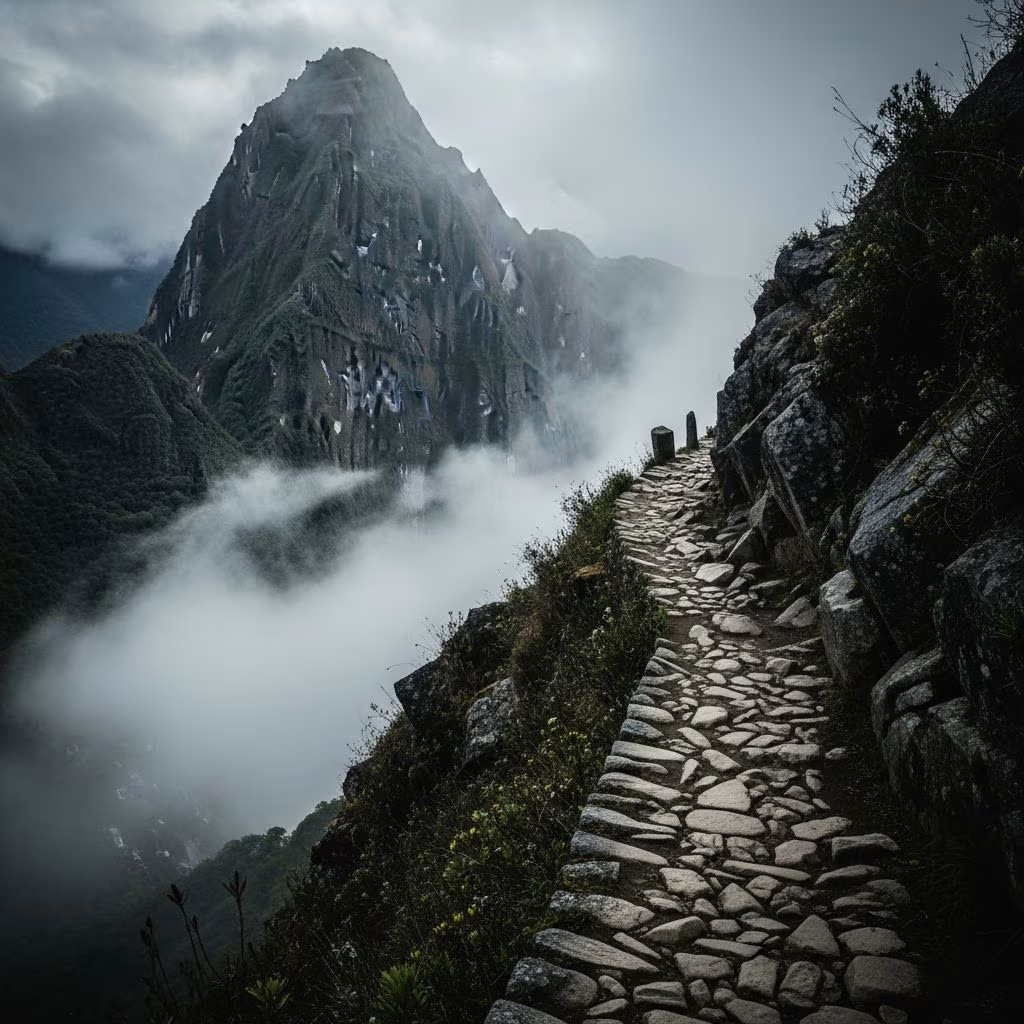
Stretching through Peru’s Andes, the Inca Trail spans 4 days of rigorous hiking, peaking at 4,200 meters above sea level with steep ascents like Dead Woman’s Pass. Trekkers navigate stone paths, cloud forests, and archaeological sites before entering the Sun Gate for their first glimpse of Machu Picchu. While rewarding, the terrain demands fitness, acclimatization to altitude, and respect for weather variability.
Most hikers complete the journey without issue, guided by locals familiar with the route. However, the combination of narrow paths, sheer drops, and unpredictable elements has led to documented accidents, primarily near the end or at the ruins themselves.
Fatalities on the Inca Trail remain statistically low given visitor numbers, with reports identifying fewer than a dozen over decades. Many occur at Machu Picchu or adjacent areas rather than the trail proper, often due to lapses in caution.
These cases highlight patterns: proximity to Wiñay Wayna and Machu Picchu sites sees higher risks due to steep drops and loose terrain.
Analysis reveals human factors and natural hazards as key contributors, not inherent trail danger.
| Cause | Examples | Frequency |
|---|---|---|
| Falls/Selfie Accidents | 2016 German tourist, 2013 American hiker | Most common at ruins |
| Landslides/Collapses | 2013 Wiñay Wayna, 2020 Inca Trail, 2010 event | Rainy season risks |
| Health Issues | 2022 Danish hiker, heart attack reports | Altitude-related |
| Weather Extremes | 2004 lightning strike, 1990s guide death | Rare but severe |
Falls often stem from ignoring barriers or distractions like photography, dubbed ‘death by selfie.’ Landslides cluster during wet periods, eroding paths near campsites.
Peruvian authorities regulate the Inca Trail strictly: permits cap daily entries at 500, including 200 for day treks, closing fully in February for maintenance. Guides brief on hazards, porters carry gear to reduce loads, and emergency evacuations use helicopters when needed.
Recent enhancements include reinforced barriers at Machu Picchu and real-time weather monitoring. Train access provides safer alternatives, though a 2025 Pampacahua crash halted services temporarily, injuring 30.
To minimize dangers, thorough preparation is crucial.
Mental readiness combats fatigue-induced errors, especially on descents.
Acute Mountain Sickness (AMS) affects many, but fatalities are rare with precautions. Symptoms include headaches and nausea; severe cases lead to pulmonary or cerebral edema. Guides monitor groups, descending symptomatic hikers promptly.
Pre-existing conditions amplify risks—consult doctors and disclose to operators. Hydration, slow pacing, and coca tea aid acclimatization.
Rainy seasons (November-March) heighten landslide odds, prompting closures. Dry months (May-September) offer stability but dust and crowds. Climate change intensifies unpredictability, with officials urging weather apps and flexible itineraries.
| Route | Duration | Difficulty | Risk Profile |
|---|---|---|---|
| Classic Inca Trail | 4 days | High | Falls, landslides |
| Short Inca Trail | 2 days | Medium | Similar but shorter exposure |
| Salkantay Trek | 5 days | Very High | Altitude, remoteness |
| Train to Machu Picchu | Day trip | Low | Minimal, recent crash aside |
Alternatives like Salkantay avoid permits but introduce wilderness perils; trains suit low-risk travelers.
No, fatalities are rare among 25,000 yearly hikers; risks are manageable with preparation.
Under 10 documented over decades, mostly avoidable accidents.
May to September dry season minimizes landslides.
Consult a doctor; operators assess fitness.
Yes, for safety and permit compliance.
Tragedies emphasize vigilance: stay on paths, avoid solo photos near edges, report symptoms early. Porter welfare improved post-2020 landslide, with load limits and insurance. Travelers contribute by choosing ethical tours supporting communities.
Machu Picchu’s magic endures, but honoring safety protocols ensures joyful memories over sorrow.
