

 Travel Essentials
 Travel Essentials

Discover the rich world of Indian chai: its history, recipes, regional variations, and where to savor authentic cups across the country.
 Travel Essentials
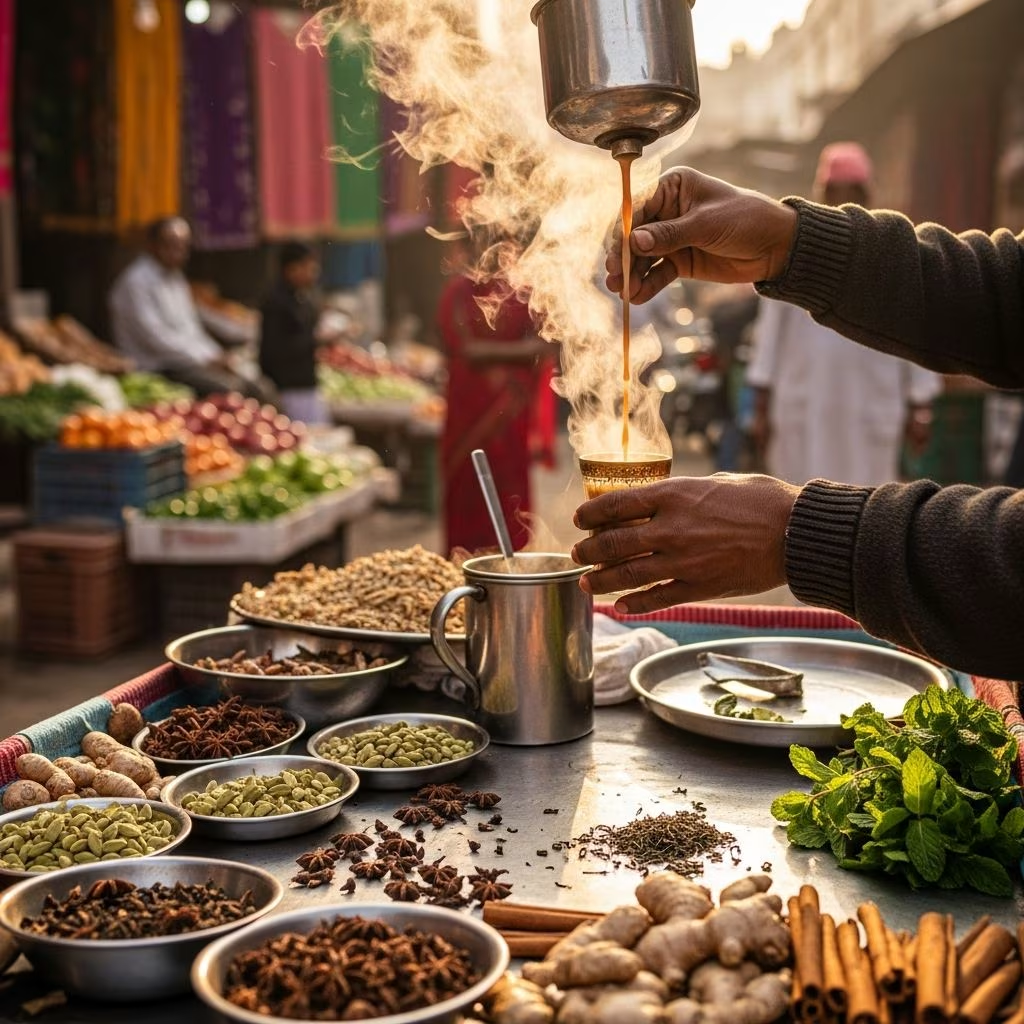
Chai stands as the heartbeat of Indian daily life, a steaming cup that bridges mornings, afternoons, and evenings with its comforting warmth and bold flavors. This spiced tea, far more than a mere beverage, embodies cultural rituals, regional pride, and communal bonds across the subcontinent.
Tea arrived in India during the British colonial era in the 19th century, transforming from an imported luxury to a national obsession. British planters introduced Camellia sinensis plants from China to Assam’s wild forests, kickstarting commercial cultivation. By the early 1900s, the India Tea Association launched aggressive marketing campaigns, positioning tea as an everyday essential for all social classes. Today, India ranks as the world’s second-largest tea producer, with over 1.3 million hectares under cultivation, primarily in Assam, West Bengal, and Tamil Nadu.
Beyond production, chai evolved through Ayurvedic influences, where herbs and spices were blended for health benefits like digestion aid and warmth in cold climates. This fusion created masala chai, the spiced milky brew synonymous with Indian hospitality.
Authentic chai demands a slow simmer to unlock spice aromas and tea tannins. Start with fresh water brought to a rolling boil, then infuse with whole spices for depth.
For a richer texture, double-boil after adding milk. Brewing time affects strength—longer steeps yield bolder cups ideal for India’s humid heat.
India’s diversity shines in its chai variations, each tied to local ingredients, climates, and communities. From Himalayan butter teas to coastal citrus twists, these brews reflect geographic and cultural nuances.
| Region | Chai Type | Key Flavors | Notable Traits |
|---|---|---|---|
| Northern/Central India | Masala Chai | Ginger, cardamom, cloves | Sweet, milky, street-stall staple |
| Ladakh/Sikkim | Butter Tea (Po Cha) | Yak butter, salt | Savory, warming for high altitudes |
| Bengal | Lebu Cha | Lemon, black salt, jaljeera | Tangy street refreshment |
| Mumbai | Nagori Cha / Cutting Chai | Thick fresh milk | Small glasses, dairy-rich |
| Kerala | Suleimani Chai | Lime, cloves, cinnamon | Black tea, digestive aid |
| Assam/Northeast | Ronga Sah | Ginger, cardamom (optional) | Strong black, no milk |
In Ladakh and Sikkim, butter tea offers sustenance against biting winds. Churned with yak butter and salt, this frothy potion provides calories and insulation. Locals drink it from wooden bowls, often pairing with tsampa (roasted barley).
Kerala’s Suleimani chai, influenced by Arab traders, skips milk for a lighter profile with lime and mint. Parsi choi from Mumbai incorporates lemongrass and spearmint, evoking community tea houses (Irani cafes) with samovar-brewed black tea and sheer khurma sweets.
Bengali lebu cha cuts through spice with citrus zing, while Assam’s ronga sah delivers a brisk, milk-free hit perfect for tea garden workers.
Chaiwallahs—tea vendors—dot India’s streets, railways, and markets, peddling ‘cutting chai’ in tiny 100ml glasses to maximize affordability. These stalls foster conversations, from politics to cricket, making chai a social lubricant.
In Shillong’s Ïew Duh market, Khasi tea shops serve sha with jingbam snacks like banana fritters. Mumbai’s Irani cafes, relics of Persian immigrants, offer bun maska alongside mint-laced chai. Trains feature ‘chai chai’ calls, with vendors balancing trays through swaying cars.
Chai’s spices boast benefits: ginger eases nausea, cardamom aids digestion, and cinnamon stabilizes blood sugar. Ayurveda views it as a warming tonic, though excessive sugar tempers these perks.
For home replication, source spices from Indian markets; authenticity lies in fresh grinding.
Indian chai is boiled with milk and spices, creating a creamy, bold drink versus steeped clear teas.
Yes, regional black teas like ronga sah or suleimani prove dairy-free versions thrive.
In moderation, its spices offer antioxidants and digestion aid, but watch sugar intake.
Assam for strength, Darjeeling for finesse; avoid dust tea for cleaner brews.
Store in airtight jars up to 6 months; refresh for peak aroma.
Pair masala chai with samosas, biscuits, or parathas for breakfast. Modern innovations include iced chai lattes, matcha-chai fusions, and vegan oat milk versions gaining cafe popularity.
Experiment with saffron for Kashmiri kahwa or tulsi (holy basil) for a herbal lift. Chai’s adaptability ensures its evolution, from ancient spice trails to global menus.
