


 Food & Culture
Food & Culture
Indian Cuisine Guide: Regional Dishes, Street Food & Drinks
Discover India's rich culinary heritage through its signature dishes, regional delicacies, and refreshing beverages that reflect centuries of cultural tradition.
 Food & Culture
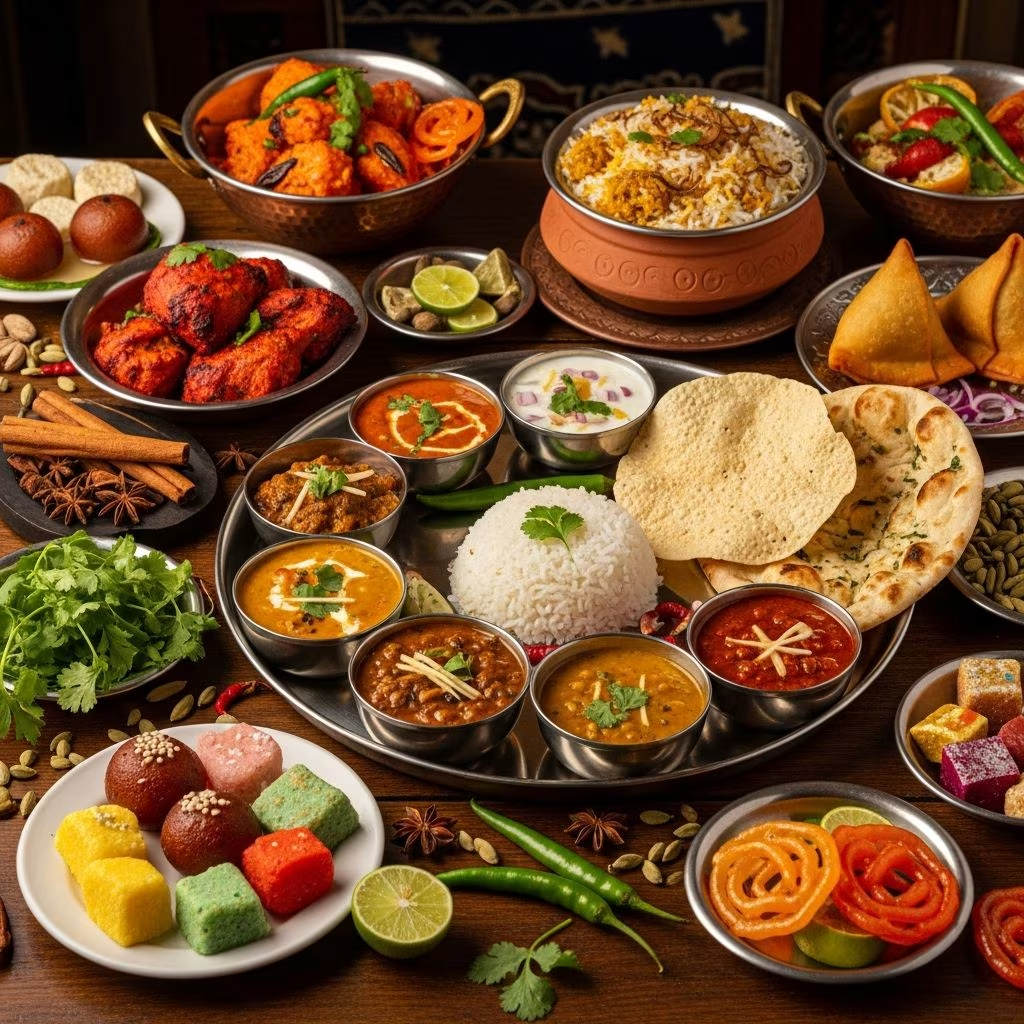
Indian cuisine represents one of the world’s most complex and flavorful culinary traditions, shaped by centuries of cultural exchange, regional diversity, and time-honored cooking techniques. Each region of India offers its own distinctive approach to food preparation, ingredient selection, and flavor profiles, creating a gastronomic landscape that rivals the country’s cultural and geographical diversity. From the bustling street markets of Delhi to the coastal regions of Kerala, Indian food tells stories of history, tradition, and innovation. Understanding India’s culinary offerings requires appreciating not just the dishes themselves, but the cultural significance and regional variations that make each meal a unique experience.
The Foundation of Indian Cooking: Proteins and Legumes
Legumes form the nutritional backbone of Indian cuisine, providing essential proteins and nutrients to countless traditional dishes. The variety of pulses used in Indian cooking reflects the agricultural practices and dietary preferences across different regions. Channa (chickpeas), tiny yellow or green lentils known as moong, and salmon-colored masoor lentils each bring distinct textures and flavors to the table. The ochre-colored tuvar lentils round out the primary pulse palette, each offering unique culinary possibilities.
The preparation of these legumes showcases Indian cooking’s attention to detail and flavor development. Tadka, the tempering technique that introduces hot oil infused with spices into cooked lentils, creates the rich, buttery dhal dishes served at roadside dhabas throughout the country. This method transforms simple ingredients into complex, satisfying meals that have sustained communities for generations.
Dairy: The Cornerstone of Indian Culinary Tradition
Milk and milk products represent more than just ingredients in Indian cuisine—they embody cultural values and nutritional philosophy. The revered status of cattle in Indian culture directly connects to the extensive use of dairy products throughout the culinary landscape. Dahi, or curd, serves dual purposes as both a cooling agent for spicy dishes and a base for numerous preparations.
Yogurt-based beverages and accompaniments demonstrate the versatility of dairy in Indian food culture. Lassi, a thick yogurt drink, can be prepared sweet, salty, or flavored with mango, offering something for every palate. Raita, which combines curd with salt, herbs, and vegetables or fruit, appears alongside most meals as a refreshing counterbalance to heat and spice. Ghee (clarified butter) appears in nearly every savory and sweet preparation, contributing rich, nutty flavors. For vegetarians, paneer provides a reliable protein source, appearing in curries, grilled preparations, and even desserts.
Iconic Dishes That Define Regional Identity
Biryani stands as one of India’s most celebrated dishes, with numerous cities claiming to produce the definitive version. This aromatic rice dish, layered with meat, vegetables, and fragrant spices, represents centuries of Mughal culinary influence. Hyderabad has established particularly strong credentials for biryani excellence, with establishments like Hotel Shadab near the Charminar serving consistently acclaimed versions. The dish achieves its distinctive character through careful layering, precise cooking techniques, and the quality of aromatic rice varieties used in preparation.
Chole bhature demonstrates how simple ingredients can create extraordinary flavor experiences. This combination of spiced chickpea stew with bhatura—oversized, fluffy fried bread made from refined wheat flour—provides a complete meal that satisfies both nutritionally and gastronomically. Standing-room-only establishments like Sita Ram Diwan Chand in Old Delhi’s Paharganj area have built reputations serving this beloved North Indian specialty.
Thalis represent the essence of Indian meal culture, offering diners an inexpensive yet comprehensive introduction to regional flavors. These meal sets typically include various curries—vegetable, dal, and sometimes meat or fish—alongside rice, bread, curd, and spicy chutneys or pickles. This format encourages exploration and variety within a single sitting, reflecting Indian dining philosophy.
The Street Food Experience: Chaat and Casual Delights
Indian street food culture encompasses far more than simple snacks; it represents culinary innovation occurring in real-time across crowded markets and beach promenades. Chaat varieties showcase this creativity, combining multiple textures, temperatures, and flavor profiles in single bites. Bhelpuri exemplifies this approach, combining chopped onion and coriander, tamarind chutney, puffed rice, and crisp noodles into a complex, satisfying street food. Mumbai’s seafront locations like Juhu Beach and Girgaum Chowpatty serve as primary destinations for experiencing authentic bhelpuri preparation.
Other street food staples extend the range of flavors and experiences available to adventurous eaters. Pakora provide crispy fried vegetable fritters, while vada pav offers spiced potato fritters in bread. Pani puri challenges eaters with its combination of crispy shells, spiced water, and varied fillings. These foods represent democratic access to culinary excitement, available at modest prices from street vendors rather than formal restaurants.
Rice Preparations: From Simple to Spectacular
Rice serves as the canvas for countless Indian culinary expressions, with preparations ranging from understated to elaborate. Jeera rice, mixed with cumin seeds, pairs beautifully with natural curd for a simple yet satisfying combination. South Indian lemon rice brings bright acidity and herbal notes, particularly complementing fish dishes. Chinese-style vegetable fried rice, prepared with oil rather than ghee, offers a lower-spice alternative particularly appealing to children and those seeking gentler flavors.
The prevalence of fried rice in India’s Chinese restaurants demonstrates how global cuisines adapt to local preferences and dietary requirements. For vegan diners, this preparation style often represents the safest choice, as traditional Indian cooking relies heavily on ghee and other animal products.
Beverages: The Liquid Heritage of India
Tea culture dominates Indian beverage consumption, with masala chai representing the national drink prepared with tea, sugar, milk, and aromatic spices including cardamom, cinnamon, ginger, and cloves. This preparation appears at every social gathering and market corner, serving as both refreshment and social ritual. The Persian-inspired Irani chai of Hyderabad offers an alternative preparation equally satisfying and deeply rooted in regional tradition.
The tea-growing regions of Darjeeling produce what enthusiasts term “orthodox tea,” made from high-grade black leaves and appreciated by those seeking more refined brewing experiences. Coffee has gained increasing popularity throughout India, with particularly strong traditions in southern states and growing artisan coffee shop culture nationwide.
Yogurt-based drinks beyond lassi include regional and seasonal variations. Jigarthanda, the iconic summer beverage of Madurai in South India, combines almond gums, milk, nannari syrup, sugar, and ice cream into a refreshing drink designed to cool the body during intense heat. Badam milk, made with almonds, offers a dairy-free alternative gaining popularity among lactose-intolerant individuals and appearing on menus from high-end restaurants to busy street vendor stalls.
Non-dairy beverages reflect India’s diversity and adaptation to regional preferences. Aam panna, made from unripe green mangoes, provides tangy refreshment, while nimbu pani (Indian lemonade) combines lemon juice, water, sugar, and salt into a heat-combating classic. Lime sodas served sweet or salty offer further variation on cooling beverages. For beer enthusiasts, Kingfisher represents India’s iconic brewery offering.
Condiments and Flavor Accents: Pickles and Chutneys
Pickles and chutneys serve crucial roles in Indian dining, providing textural contrast and concentrated flavors that stimulate appetite and aid digestion. Pickles range from simple pickled onions to elaborate melange of fruit, nuts, and spices, with strongly flavored lime pickle serving as the default condiment across many regions. Chatni varieties demonstrate equal versatility, prepared sweet or savory from numerous vegetables, fruits, herbs, and spices.
The pairing of lime pickle, mango chutney, and minty yogurt as dips for papad (gram flour crisps) represents the triple threat of Indian condiment culture rarely encountered outside India despite its prominence in authentic dining.
Seasonal Eating: Climate-Responsive Cuisine
Indian culinary practices reflect sophisticated understanding of seasonal variation and its effects on the body and appetite. The hot, sticky months preceding the monsoon (March–May) prompt locals to seek cooling foods including kulfi (frozen treats with nuts), lime soda in sweet or salty variations, and gola (shaved ice). These preparations recognize that heavy, warming foods prove counterproductive during periods of intense heat.
Monsoon months (June–September) encourage indoor dining and consumption of sweeter treats such as Rajasthan’s ghewar—a sweet, syrupy cake designed to lift spirits during gray, rainy periods. Maharashtra’s famous Alphonso mangoes, available April through June, represent the season’s culinary highlight, appearing in countless preparations.
Regional Specialties: The Diverse Indian Palate
North Indian cuisine emphasizes bread preparations like naan, paratha, and various kulchas, reflecting wheat cultivation and tandoori cooking traditions. The region’s curries tend toward heavier preparations with prominent use of cream, yogurt, and ghee. South Indian food prioritizes rice-based preparations, coconut, and rice flour products including dosa and idli. The cuisine features lighter preparations emphasizing rice, lentils, and coconut-based gravies.
Eastern Indian regions showcase distinctive preparations including regional vegetables and cooking techniques passed through generations. Western Indian coastal areas emphasize seafood preparations and coconut-based curries reflecting maritime trade history. Understanding these regional variations prevents oversimplification of “Indian food” into a monolithic category, instead revealing the sophisticated geographic and cultural diversity characterizing the subcontinent’s culinary traditions.
Vegetarian and Vegan Considerations in Indian Cuisine
India’s vegetarian culinary tradition extends far beyond token offerings, representing sophisticated, complete cuisine developed over centuries. Paneer and chenna curries provide protein-based vegetarian main courses, while legume-based preparations offer equally substantial alternatives. The challenge for vegans involves navigating the omnipresent use of ghee, milk, and yogurt throughout Indian cooking. Strategic ordering—requesting oil-based preparations, avoiding dairy-based sauces, and selecting vegetable fried rice over meat versions—allows vegan travelers to enjoy Indian cuisine despite ingredient limitations.
Frequently Asked Questions About Indian Cuisine
What makes Indian cuisine so flavorful?
The complexity derives from layered spice combinations, careful cooking techniques like tadka, and the use of multiple aromatics in single preparations. Regional variations, fresh ingredient sourcing, and cooking methods refined over centuries combine to create distinctive, memorable flavors.
Is all Indian food spicy?
No. While spice plays an important role, Indian cuisine encompasses numerous mild preparations. Dahi, raita, and yogurt-based drinks provide cooling counterbalances. Many regions emphasize subtle flavors over heat. Curd accompanies nearly every meal specifically to temper spice levels.
Where can I find the most authentic Indian food experiences?
Roadside dhabas, street food vendors, and family-run establishments typically serve more authentic preparations than tourist-oriented restaurants. Markets, beaches, and busy commercial areas indicate where locals eat, generally signaling better quality and authenticity.
What should vegetarian travelers know about Indian cuisine?
India’s vegetarian tradition ensures abundant meat-free options. Paneer dishes, legume curries, and vegetable preparations form complete cuisine rather than supplements. Communication about dietary preferences typically results in satisfying meals.
References
- What to eat and drink in India — Lonely Planet. 2024. https://www.lonelyplanet.com/articles/what-to-eat-and-drink-in-india
- Indian Street Food Guide – 18 Must-Try Popular Street Food Dishes — Travelling Foodie. 2024. https://travellingfoodie.net/indian-street-food-guide/
- Best foods and drinks to try in India — Nomadic Boys. 2024. https://food.nomadicboys.com/traditional-indian-food-drinks/
- The 15 most popular Indian dishes to try besides curry — TravelLocal. 2024. https://www.travellocal.com/en/articles/beyond-the-curry-other-indian-food-to-try
On This Page
The Foundation of Indian Cooking: Proteins and Legumes Dairy: The Cornerstone of Indian Culinary Tradition Iconic Dishes That Define Regional Identity The Street Food Experience: Chaat and Casual Delights Rice Preparations: From Simple to Spectacular Beverages: The Liquid Heritage of India Condiments and Flavor Accents: Pickles and Chutneys Seasonal Eating: Climate-Responsive Cuisine Regional Specialties: The Diverse Indian Palate Vegetarian and Vegan Considerations in Indian Cuisine Frequently Asked Questions About Indian Cuisine← Previous
Colombo Travel Guide: Top Sights, Food, Stays & Tips
Next →
Bangkok Food Guide: Must-Try Dishes, Street Food & Best Spots
Related Reading
More in Food & Culture
Food & Culture Food & Culture
 Food & Culture
Best Places to Eat in Rome: Neighborhood Dining Guide
 Food & Culture
 Food & Culture