

 Travel Essentials
 Travel Essentials

Learn about pre-wedding ceremonies, sacred rituals, guest expectations, and cultural traditions that define Indian weddings and family celebrations.
 Travel Essentials
Indian weddings represent some of the most vibrant, elaborate, and meaningful celebrations in the world. Unlike Western traditions that typically culminate in a single day of events, Indian wedding celebrations unfold across multiple days, each with distinct rituals and significance. For guests attending their first Indian wedding, understanding the sequence of events, their cultural importance, and proper etiquette can greatly enhance the experience and demonstrate respect for the traditions being honored.
One of the most distinctive aspects of Indian weddings is their duration. Rather than a single afternoon ceremony, Indian wedding celebrations typically span anywhere from three to seven days, with some families extending festivities even longer. This extended timeline allows for multiple ceremonies, each serving a specific purpose in uniting the couple and their families. The multi-day format reflects the importance placed on involving extended family members and the community in the celebration of the union.
The ceremonies begin weeks in advance with formal agreements between families, progress through pre-wedding rituals that build anticipation, and culminate in the main wedding ceremony followed by reception celebrations. Understanding this timeline helps guests plan their attendance and appreciate the progressive nature of the celebrations.
The journey toward marriage begins with the Roka ceremony, which marks the official initiation of wedding preparations. This intimate gathering brings together members from both families to formally acknowledge their commitment to the union. During this ceremony, elders from both sides bless the couple, signifying family approval and support for the forthcoming marriage.
The Roka involves meaningful gift exchanges, including traditional items such as dry fruits, sweets, clothing, and symbolic monetary gifts known as shagun. These exchanges represent the families’ happiness and their pledge to support the couple throughout their married life. The ceremony typically occurs at the residence of a family member and sets the emotional and social tone for all subsequent celebrations.
Following the Roka, the engagement ceremony, known as Sagai, formalizes the couple’s commitment through tangible symbols. During this event, the couple exchanges rings, placing them on each other’s fingers as visible representations of their dedication. The bride’s family performs an auspicious ritual by applying tilak, a mark of vermilion, on the groom’s forehead, demonstrating respect and acceptance.
The Sagai brings together close relatives and friends for celebration, featuring music and festivities that mirror the joy of the forthcoming wedding. This ceremony also provides an opportunity for the couple to receive blessings from elders and sets the wedding date, transforming the engagement from a private commitment into a recognized family event.
The Haldi ceremony celebrates the transformative power of turmeric and represents purification and spiritual preparation for marriage. During this joyful gathering, a specially prepared paste composed of turmeric, rosewater, and sandalwood is applied to both the bride and groom by family members and close friends.
Participants traditionally wear yellow and orange hues, colors associated with auspiciousness in Hindu culture. The Haldi ceremony transforms into a playful celebration as attendees often apply extra paste to one another, creating an atmosphere of love and laughter. Beyond its aesthetic purpose of imparting a natural glow, the ritual symbolizes protection from negative influences and cleansing before the sacred marriage ceremony.
The Mehendi and Sangeet ceremonies often occur on consecutive days and represent the most visually striking and participatory aspects of Indian wedding celebrations. During the Mehendi event, the bride’s hands and feet are adorned with intricate henna designs by professional artists, while female family members and friends apply henna to their own hands in celebration.
The Sangeet transforms into an evening of dance and music where all guests join the bride, groom, and their families in celebration of the impending union. Unlike the more formal ceremonies, the Sangeet encourages active participation from attendees, who perform traditional dances, songs, and entertainment. These events create an atmosphere of joy and community, strengthening bonds between families and allowing guests to participate actively rather than merely observe.
The Baraat represents one of the most energetic and visually spectacular elements of Indian weddings. This high-energy procession announces the groom’s arrival at the wedding venue through music, dance, and celebration. Traditionally, the groom arrives on a decorated horse, though modern variations include decorated cars, elephants, or motorcycles, reflecting contemporary adaptations while honoring tradition.
The groom’s family and friends dance alongside the Baraat, performing Bhangra and other traditional dances as they escort him to the wedding location. Upon arrival, the bride’s family welcomes the Baraat with an Aarti ceremony and applies tilak to the groom’s forehead, demonstrating respect and warmth. This welcoming ritual symbolizes the formal union of two families and marks the transition toward the main ceremony.
The Jai Mala ceremony marks the couple’s first formal interaction during the wedding day and transforms a simple garland exchange into a deeply symbolic moment. The bride and groom place flower garlands around each other’s necks, signifying mutual acceptance and respect. In contemporary celebrations, the groom’s friends often lift him up in jest, creating playful challenges as the bride attempts to place the garland around his neck.
This moment combines solemnity with lightheartedness, reflecting the balance between reverence for tradition and celebration of joy. The Jai Mala creates one of the most visually stunning moments of the wedding, frequently captured in professional photographs as it represents the couple’s willing acceptance of one another.
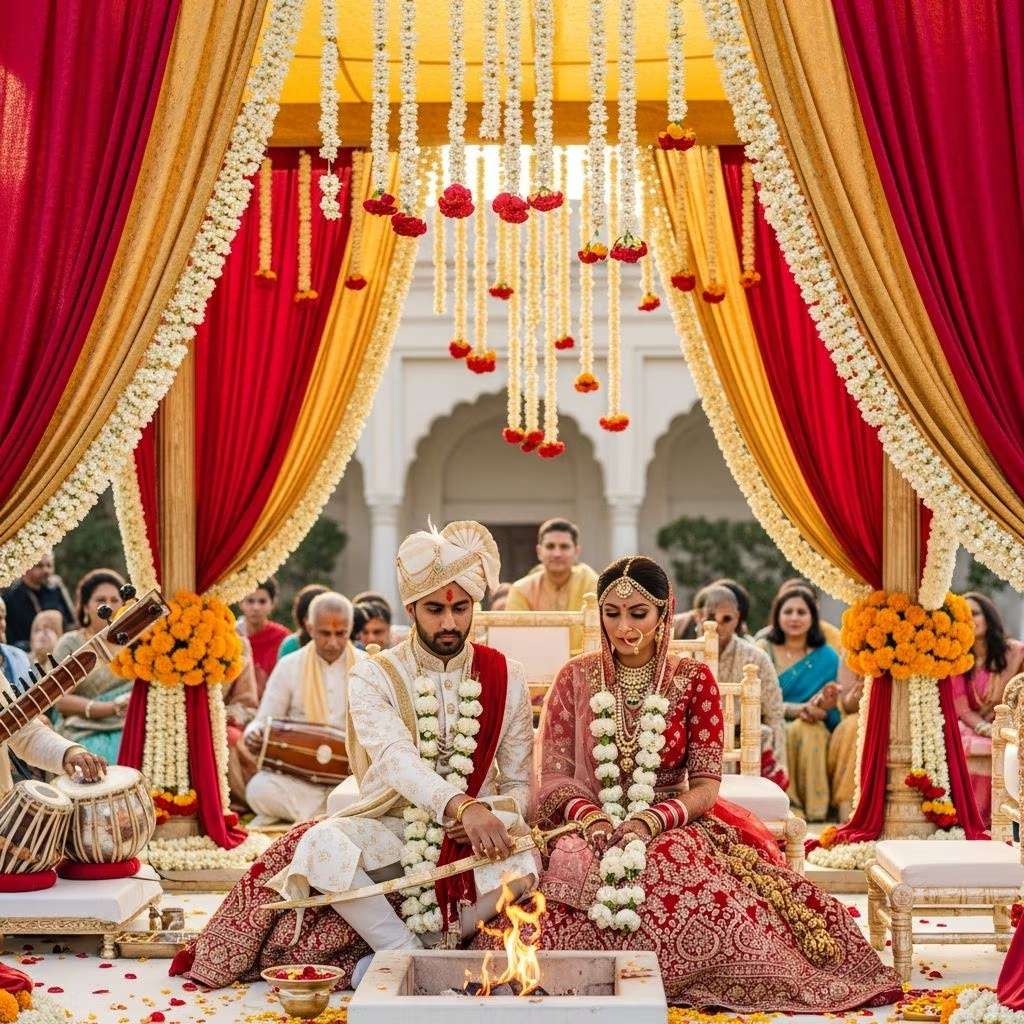
The Mandap serves as the sacred enclosure where the primary marriage ceremony takes place. This decorated structure, constructed from wood or metal and adorned with flowers and fabrics, creates a contained spiritual space where the most significant rituals occur. The Mandap’s design and decoration reflect family preferences while maintaining traditional elements that connect the ceremony to centuries of practice.
Kanyadaan represents one of the most emotionally significant moments in the ceremony, symbolizing the bride’s father giving his daughter to her new family. This ritual, rooted in ancient Hindu tradition, involves the father placing his daughter’s hand into the groom’s, signifying the transfer of parental responsibility and blessing. The Kanyadaan acknowledges the bride’s passage from her natal family to her marital family, marking a major life transition.
While modern interpretations sometimes modify this ritual to reflect contemporary gender dynamics, the underlying sentiment remains one of blessing and transition. The emotional weight of this moment resonates through the assembled witnesses, connecting present celebrations to ancestral practices.
The Mangalphera represents the spiritual heart of the Hindu wedding ceremony, where the couple walks around a sacred fire in a ritual that transforms them from individuals into a unified partnership. The couple completes four or seven circles around the fire, with each circumambulation representing significant life goals and marital vows.
In the four-circle variation, each rotation represents Dharma (righteousness and moral duty), Artha (prosperity and material well-being), Kama (personal desire and satisfaction), and Moksha (spiritual liberation). The sacred fire, known as Agni, serves as a divine witness to the marriage, with the flames believed to purify and sanctify the union. As the couple performs the Mangalphera, the Pandit chants sacred verses, creating a spiritual atmosphere charged with ancient ritual power.
The Saptapadi, literally translating to “seven steps,” constitutes the formal vow-taking portion of the ceremony. Rather than speaking personalized vows as in Western traditions, the couple takes seven deliberate steps forward together, with each step representing a distinct marital commitment. The steps collectively embody promises to support one another, ensure financial stability, maintain health and well-being, cultivate strength and courage, promote well-being for family and children, maintain health throughout life, and foster lasting friendship and loyalty.
A priest recites mantras corresponding to each step, blessing the couple with abundance of food, prosperity, eternal happiness, children, harmony, and lifelong friendship. The Saptapadi formalizes the couple’s mutual obligations and creates a framework for their married life grounded in traditional Hindu philosophy.
The ceremony concludes with two final rituals that visually and symbolically mark the bride’s transformation into a married woman. The groom applies sindoor, a vermilion powder, to the bride’s forehead in the center parting of her hair, signifying marital bliss and her new status. This crimson mark becomes a visible identifier of her married state within Indian society.
Simultaneously, the groom ties the Mangalsutra, a sacred necklace typically composed of gold and black beads, sometimes adorned with diamonds, around the bride’s neck. This necklace represents the eternal bond between husband and wife, similar to the Western wedding ring in its symbolic significance. Together, these rituals seal the marriage and establish the bride’s new identity within her husband’s family.
Indian wedding guest attire differs significantly from Western wedding traditions, with specific colors and garments carrying cultural meaning. Guests typically wear traditional Indian clothing such as sarees, lehengas, or sherwanis, though modern weddings increasingly accept Western formal wear. However, understanding color symbolism remains important: bright colors like red, pink, orange, and gold are considered auspicious and are preferred for wedding celebrations, while white is traditionally avoided as it represents mourning.
For specific ceremonies like Haldi, guests often coordinate by wearing yellow and orange hues, demonstrating cultural awareness and community participation. Jewelry is typically elaborate and encouraged, reflecting the celebratory nature of the events.
Unlike Western weddings where guests primarily observe, Indian wedding celebrations actively encourage guest participation. During Sangeet and Mehendi events, guests are expected and welcomed to dance, sing, and perform. This participation strengthens community bonds and demonstrates enthusiasm for the couple’s celebration.
Gift-giving customs involve presenting monetary gifts presented in decorated envelopes or traditional gifts such as household items, jewelry, or clothing. Gifts should be presented with the right hand or both hands as a sign of respect. Understanding these customs allows guests to participate authentically and show appropriate respect for the celebration.
Following the main ceremony, elaborate receptions feature multi-course meals reflecting regional cuisines and family preferences. These receptions provide extended time for guests to celebrate, dine, and offer congratulations to the couple. The reception atmosphere balances formality with festivity, allowing guests to move throughout the venue, enjoy food and beverages, and participate in toasts and celebrations.
After the wedding, the Griha Pravesh ceremony welcomes the bride into her new marital home with rituals designed to bring prosperity and blessings. The groom’s mother performs a welcoming Aarti, a ritual involving light and prayers to bless the bride with love and protection. The bride performs the rice pot ritual, gently toppling a rice-filled pot with her foot, symbolizing abundance and prosperity in the new household.
This ceremony marks the bride’s official entry into her new family structure and represents the beginning of her journey as a daughter-in-law and wife. The rituals acknowledge her transition while emphasizing her integration into the family.
Indian weddings usually span three to seven days, with some families extending celebrations even longer. This extended timeline accommodates multiple ceremonies, each with distinct purposes and significance.
Traditional Indian clothing such as sarees or sherwanis is preferred, though modern weddings accept Western formal wear. Avoid white, which represents mourning, and choose bright, auspicious colors when possible.
Yes, particularly during Sangeet, Mehendi, and Haldi events. Guest participation demonstrates enthusiasm and strengthens community bonds surrounding the celebration.
Monetary gifts presented in decorated envelopes are common, or guests may offer household items, jewelry, or clothing. Present gifts with the right hand or both hands as a sign of respect.
Each ceremony represents distinct aspects of marriage preparation and union. The Roka establishes family commitment, Haldi provides spiritual purification, Mehendi and Sangeet celebrate joy, and the main ceremony formalizes the sacred union.
Indian wedding traditions represent centuries of accumulated wisdom about marriage, family bonds, and community connection. Each ritual carries layers of meaning that connect participants to ancestral practices and spiritual principles. For guests, understanding these deeper significances transforms attendance from mere observation into meaningful participation in a profound cultural and spiritual experience.
The multi-day format, elaborate ceremonies, and active guest participation create celebrations that strengthen family ties, reinforce community bonds, and honor both contemporary joyfulness and ancestral traditions. Attending an Indian wedding provides outsiders with insight into cultural values emphasizing commitment, family unity, and the sacred nature of marriage.
