

 Travel Essentials
 Travel Essentials

This article delves into the Indigenous food movement in North America, highlighting efforts to reclaim ancestral diets, promote sovereignty, and foster cultural revival through traditional ingredients and innovative chefs.
 Travel Essentials
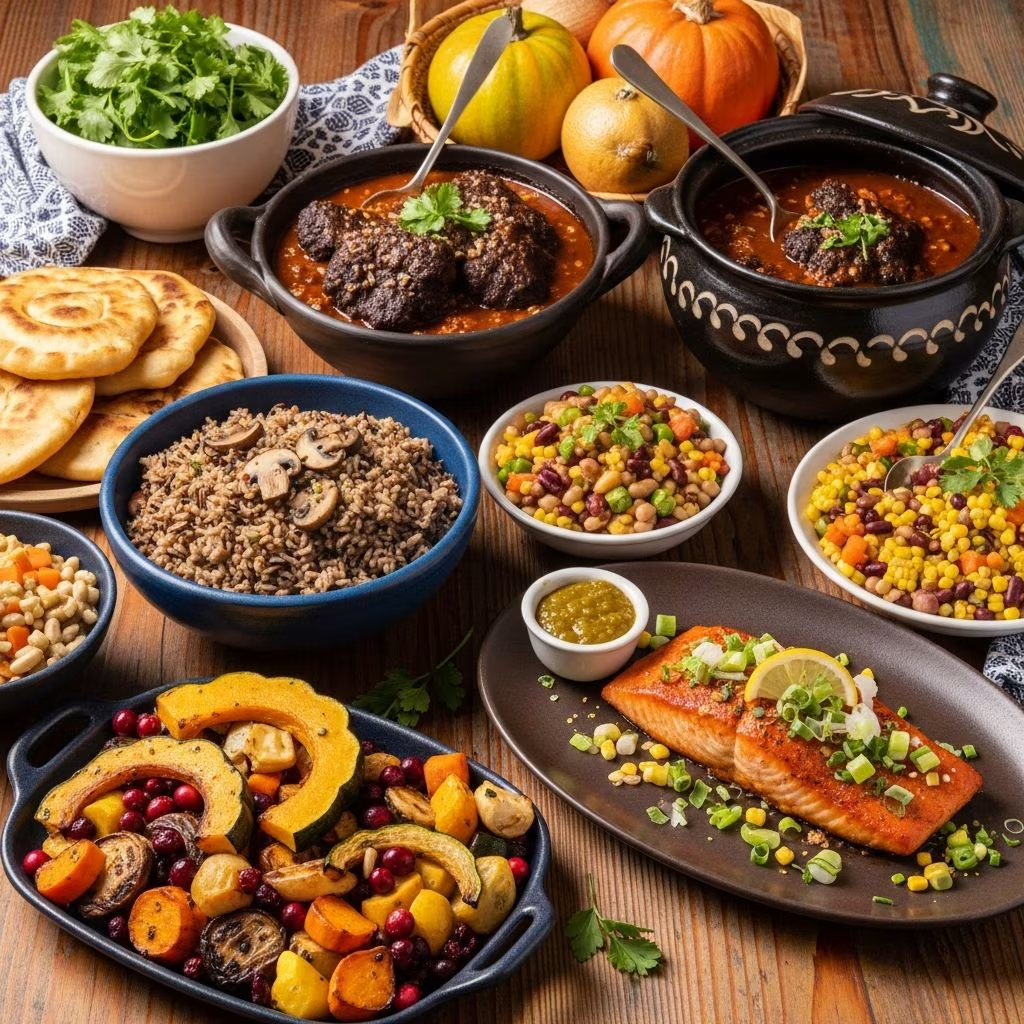
The Indigenous food movement is gaining momentum across North America, as Native communities reclaim their culinary heritage to combat health disparities, environmental challenges, and cultural erosion. This resurgence emphasizes **food sovereignty**—the right to define, produce, and consume culturally appropriate foods—drawing on pre-colonial ingredients like wild rice, bison, and native berries to foster healthier lifestyles and stronger identities.
Food sovereignty represents a fundamental shift for Indigenous peoples, moving away from reliance on processed, imported foods introduced during colonization. These modern diets have contributed to alarming rates of diabetes, obesity, and heart disease in Native communities. By returning to traditional food systems, tribes are rebuilding resilience. For instance, programs focused on growing native crops and harvesting wild foods not only improve nutrition but also reinforce cultural ties and economic independence.
Efforts like those documented in community stories show how traditional foods programs enhance food security by integrating elders’ knowledge with contemporary agriculture.
At the forefront are visionary chefs who blend ancestral knowledge with fine dining. Sean Sherman, known as The Sioux Chef, has dedicated his career to revitalizing Indigenous food systems. Through his organization, NĀTIFS (North American Traditional Indigenous Food Systems), Sherman educates on pre-colonial ingredients from over 1600 native plants, grains, and proteins, excluding wheat, dairy, and pork.
Nephi Craig, from the White Mountain Apache Nation, operates cafes that function as nutritional recovery centers, using indigenous ingredients to heal community health issues. His work underscores food’s role in physical and spiritual recovery.
| Chef | Tribe/Nation | Key Contribution |
|---|---|---|
| Sean Sherman | Sioux | Revitalizing 1600+ native ingredients via NĀTIFS |
| Nephi Craig | White Mountain Apache | Indigenous cafes as health clinics |
| Elsie Dubray | Cheyenne River Sioux | Bison research for sustainable food sources |
Beyond chefs, everyday activists are making strides. Elsie Dubray’s research on bison from the Cheyenne River Sioux Nation highlights how restoring keystone species like bison supports both ecology and diet. The Ancestral Guard from the Yurok Nation fights to protect the Klamath River, essential for salmon runs that sustain traditional diets.
In New Mexico, local farms exemplify food sovereignty in action, where Indigenous farmers grow heritage crops amid arid landscapes, sharing knowledge to ensure future generations’ access. These initiatives often involve youth, bridging generational gaps through hands-on learning.
The movement intertwines food with land protection. Climate change threatens wild foods, prompting tribes like the Tolowa Dee-ni’ Nation to adapt traditional practices. Efforts include restoring wetlands for wild rice and managing forests for berries and game, promoting biodiversity.
These practices counteract human impacts, ensuring sustainable harvests for the future.
Adopting traditional foods yields measurable health benefits. Studies and community reports indicate reduced diabetes rates where programs succeed. The CDC’s compendium of stories from Native communities details how integrating camas roots, maple syrup, and game meats improves outcomes.
Nutritional profiles of indigenous foods—high in fiber, antioxidants, and omega-3s—contrast sharply with commodity foods. Workshops teach preparation techniques, making these foods accessible in urban and reservation settings.
Food sovereignty spurs entrepreneurship. From food trucks serving frybread alternatives made with native corn to markets selling smoked fish, Native-led businesses thrive. Organizations like NĀTIFS facilitate access to ingredients, enabling scalable operations.
Government grants and tribal funding support these ventures, creating jobs and reducing poverty. A ripple effect boosts local economies as tourists seek authentic Indigenous cuisine.
Education is pivotal. Schools incorporate gardening and cooking classes using native plants. Films like Gather inspire by showcasing young leaders reclaiming identities through food.
Elders mentor youth in harvesting protocols, passing down languages embedded in food terms. Online platforms and apps map foraging sites, democratizing knowledge.
Despite progress, hurdles remain: land loss, regulatory barriers to wild harvesting, and funding shortages. Climate variability disrupts yields, while skepticism from outsiders questions scalability. Yet, resilience defines the movement, with adaptive strategies emerging.
North America’s efforts influence worldwide Indigenous revivals, from Australia to the Arctic. Conferences and collaborations amplify voices, pushing policy changes for food sovereignty rights.
Looking ahead, expect more restaurants, policy wins, and tech integrations like AI for crop prediction. The movement promises not just meals, but cultural renaissance.
It is the right of Indigenous peoples to control their food systems, including production, distribution, and consumption of culturally relevant foods.
Sean Sherman, Nephi Craig, and Elsie Dubray are prominent leaders driving change through cuisine, research, and activism.
By promoting nutrient-dense traditional foods, it combats diet-related diseases prevalent in Native communities.
Yes, through supporting Native businesses, learning respectfully, and advocating for land rights.
Examples include wild rice, bison, salmon, native beans, squash, and berries.
