

 Travel Essentials
 Travel Essentials

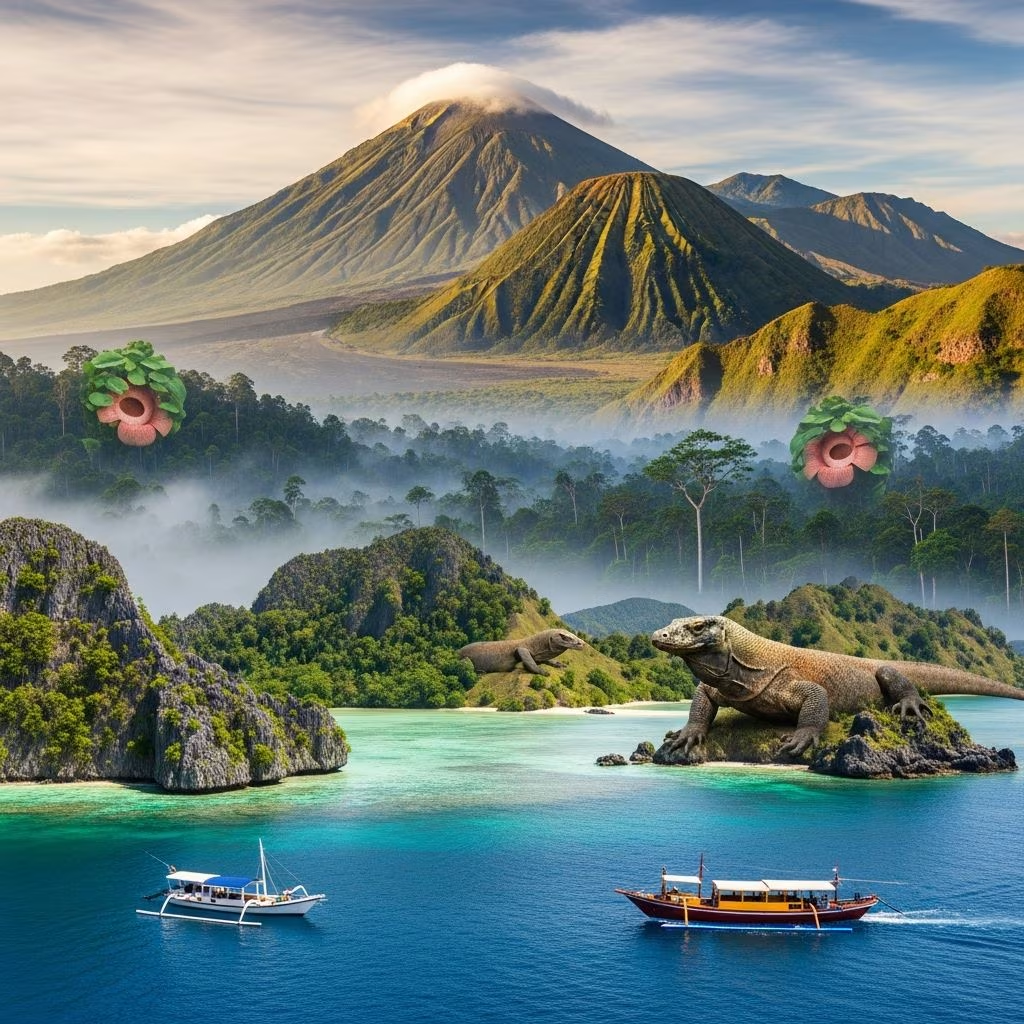
Explore the best national parks in Indonesia, featuring diverse ecosystems, iconic wildlife like Komodo dragons and orangutans, and stunning landscapes across Java, Sumatra, Bali, and beyond.
 Travel Essentials
Indonesia, an archipelago of over 17,000 islands, boasts 54 national parks that protect a staggering array of biodiversity, from ancient volcanoes and dense rainforests to vibrant coral reefs and unique wildlife. Six of these parks hold UNESCO World Heritage status, highlighting their global significance. Whether you’re a hiker chasing volcanic summits, a diver exploring underwater worlds, or a wildlife enthusiast seeking rare species, these protected areas offer unparalleled experiences. This guide highlights the standout destinations, drawing from their natural splendor, accessibility, and conservation value.
These parks preserve ecosystems under threat from deforestation, climate change, and tourism pressures. They support endangered species like the Komodo dragon, Javan rhino, and Sumatran tiger, while providing recreational opportunities. Visiting responsibly aids conservation efforts through park fees and guided tours. Key attractions include hiking trails, boat safaris, snorkeling sites, and cultural interactions with indigenous communities.
Java, Indonesia’s most populous island, hosts dramatic volcanic landscapes and rare fauna in its national parks.
Spanning East Java, this park features the active Mount Bromo and towering Mount Semeru, Java’s highest peak at 3,676 meters. Dawn hikes across the sea of sand caldera reveal ethereal views of steaming craters. The Tenggerese people maintain Hindu traditions here, adding spiritual depth. Trails range from easy rim walks to multi-day Semeru ascents, ideal for fit adventurers. Wildlife includes wild horses and deer amid grassy plains.
| Activity | Duration | Difficulty |
|---|---|---|
| Bromo sunrise trek | 2-3 hours | Moderate |
| Semeru summit climb | 2 days | Challenging |
| Jeep tour | 1 hour | Easy |
At Java’s western tip, this UNESCO site safeguards the last Javan rhinos in the wild, numbering around 70. Dense rainforests, swamps, and beaches frame the park, with Krakatoa volcano visible offshore. Boat into the park for rhino tracking (rare sightings), hikes to waterfalls, and surfing. The Handeuleum islet offers pristine snorkeling. Conservation success stories make it a must for eco-travelers.
Borneo (Kalimantan) and Sumatra host primate paradises and tiger territories.
In Central Kalimantan, this riverside park is renowned for rehabilitated orangutans at feeding stations along the Sekonyer River. Klotok houseboat cruises glide through blackwater channels teeming with proboscis monkeys, fireflies, and kingfishers. Night walks reveal clouded leopards and pythons. Established in 1982, it covers 3,600 square kilometers of peat swamp forest, a critical carbon sink.
Sumatra’s largest park stretches across four provinces, encompassing Mount Kerinci (3,805m), Indonesia’s highest volcano. Trek to see the giant Rafflesia arnoldii flower (up to 1m diameter) and Sumatran tigers via camera traps. Dense montane forests host rhinos, elephants, and tapirs. Multi-day climbs reward with crater lakes and hot springs. UNESCO-listed as part of Tropical Rainforest Heritage.
Indonesia’s coral triangle shines in these underwater parks.
A UNESCO gem in East Nusa Tenggara, this 1,800-square-kilometer park protects 2,500 Komodo dragons, the world’s largest lizards. Pink beaches, manta rays, and 260 coral species thrill divers at sites like Batu Bolong. Hike to viewpoints over Padar Island’s savannas. Liveaboards offer multi-day itineraries; day trips from Labuan Bajo are popular. Ranger-guided dragon treks ensure safety.
Bali’s northwest corner preserves mangroves, savannas, and rainforests, protecting the endangered Bali starling. Menjangan Island’s walls host pristine reefs for drift diving with turtles and reef sharks. Land trails explore waterfalls and peafowl habitats. Less crowded than southern Bali, it’s perfect for combining beach relaxation with nature.
Beyond the famous ones, these offer unique appeals.
East Java’s ‘African savanna’ features arid plains with banteng bulls, barking deer, and leopards. Bekol viewpoint is prime for game drives at dusk. Bekapan waterfall provides a jungle contrast. Easy access from Banyuwangi makes it a Bali-Java crossover stop.
Near Jakarta, this park’s twin volcanoes (Gede 2,958m, Pangrango 3,019m) draw weekenders for tea plantation views and candi sites. Cloud forests shelter Javan gibbons and squirrels. Short hikes suit families; summits challenge pros.
Papua’s vast bay (1.5 million hectares) harbors whale sharks year-round at Yenbuba Bay. Coral gardens and WWII wrecks attract advanced divers. Islets offer birdwatching and hot springs, embodying remote wilderness.
Best Times to Visit: Dry season (May-Sept) for hiking; wet season for waterfalls and fewer crowds.
Getting There: Domestic flights to gateways like Surabaya (Bromo), Pangkalan Bun (Tanjung Puting), Labuan Bajo (Komodo). Ferries link islands.
Practical Tips:
Conservation Challenges: Poaching, illegal logging, and overtourism threaten habitats. Choose eco-lodges and follow Leave No Trace principles.
Bromo Tengger Semeru offers iconic volcano treks; Kerinci Seblat for high-altitude challenges.
Yes, on guided walks in Komodo National Park; maintain 5m distance.
Tanjung Puting guarantees sightings; others like Gunung Palung require more effort.
With certified operators, yes; Komodo and Menjangan have world-class sites.
3-5 days per park; multi-park itineraries need 2 weeks.
