

 Travel Essentials
 Travel Essentials

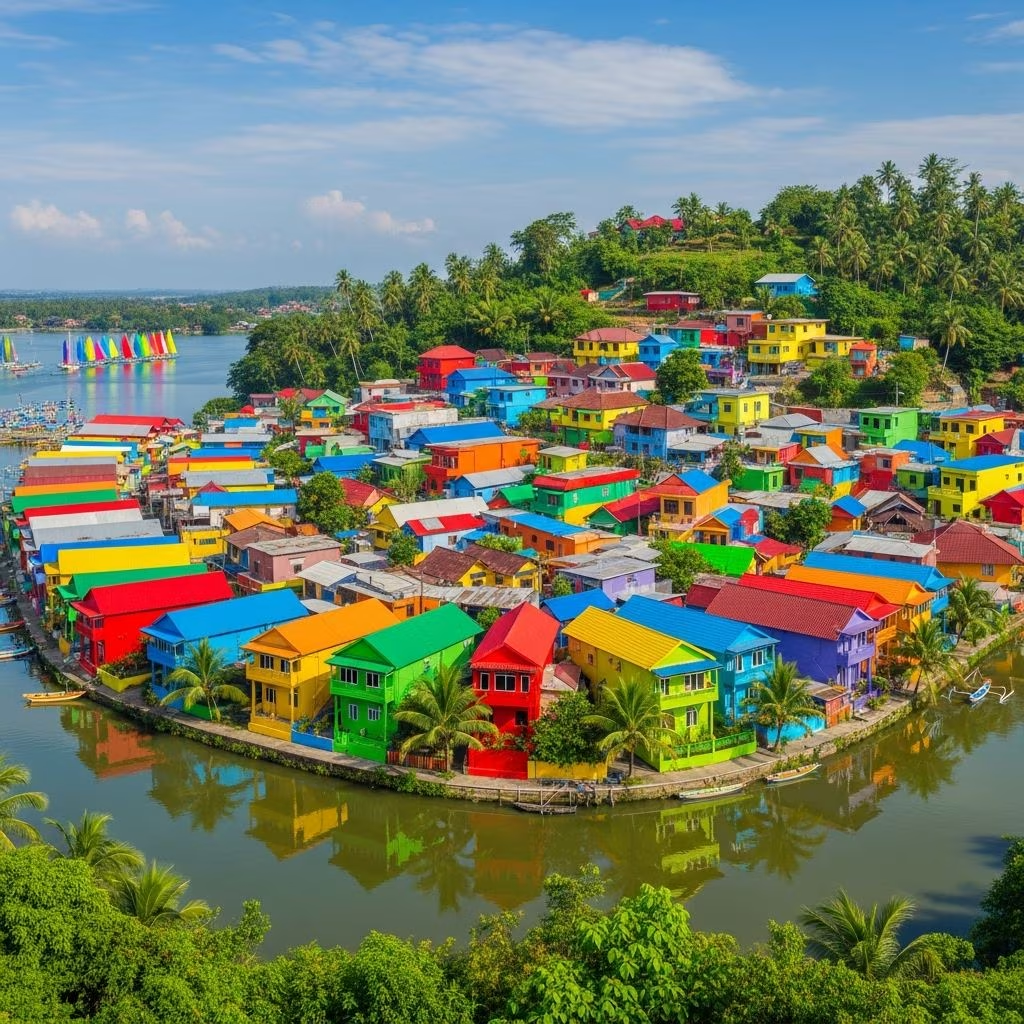
Explore Indonesia's rainbow villages like Kampung Pelangi and Kampung Warna-Warni, where slums turned into vibrant tourist hotspots via community painting projects.
 Travel Essentials
Indonesia’s rainbow villages represent a remarkable fusion of art, community effort, and economic ingenuity. These once-overlooked neighborhoods have been reborn through layers of vibrant paint, turning drab slums into Instagram-famous spectacles that attract visitors worldwide. What began as local initiatives to combat urban decay has evolved into thriving tourist destinations, showcasing how creativity can uplift entire communities.
The story of Indonesia’s rainbow villages starts with grassroots ideas aimed at revitalizing impoverished areas. In places like Semarang and Malang, local leaders, students, and residents collaborated to paint hundreds of homes in a spectrum of hues, inspired by global examples such as Rio de Janeiro’s favela projects. This approach not only beautified the surroundings but also instilled a sense of pride among inhabitants.
In Semarang’s Randusari district, a modest budget of around $22,500 from the local council kickstarted the transformation of Kampung Pelangi. Junior high school principal Slamet Widodo spearheaded the effort, drawing inspiration from nearby colorful villages. By the end of the initial phase, over 200 houses boasted rainbow stripes, murals, and multicolored flags, completely altering the village’s identity.
Kampung Pelangi, meaning ‘Rainbow Village,’ emerged from the former Kampung Wonosari. Residents voted to embrace the colorful overhaul, painting roofs, fences, stairs, and walls in bold patterns. Artistic additions like 3D sharks and angel wings turned ordinary facades into photogenic backdrops. Each home features at least three colors, creating a harmonious yet explosive visual feast.
The project’s success is evident in its tourism boom. Visitors, from local students to international travelers, flock to capture the spectacle. One young visitor vowed to spread the word, amplifying its reach via social networks. The village’s Instagram presence has skyrocketed, proving the power of visual appeal in modern travel.
| Feature | Description |
|---|---|
| Size | Over 200 homes painted |
| Notable Art | 3D murals, rainbow stairs |
| Funding | Local council (~$22,500) |
| Visitor Draw | Social media fame |
Across Java in Malang, Kampung Warna-Warni tells a parallel tale of redemption. Once a squalid slum along the Brantas River, Jodipan district faced demolition. University students intervened with a bold proposal: paint it into a masterpiece. Backed by a paint distributor donating three tons and help from the Indonesian Air Force, the makeover spared the area from the wrecking ball.
Every surface—from bridges and rooftops to TV antennas—received a fresh coat. Murals adorn walls, and rainbow parasols shade play areas where children still romp amid tourists. No new builds were needed; the focus was enhancement. A small entry fee funds upkeep, cafes, and homestays, boosting resident incomes without displacing families.
Daily life blends seamlessly with the vibrancy: laundry flaps on lines, motorbikes gleam under fresh coats, and noodle stalls thrive. This authenticity sets it apart, fostering a genuine buzz that feels worlds away from contrived attractions.
These villages didn’t arise in isolation. Kampung Pelangi looked to predecessors like Kampung Warna-Warni and Kampung Trini. The Malang project, inspired by international favela art, has spawned imitators in other cities. Extensions within Malang and adoptions elsewhere highlight its model status for urban renewal in developing areas.
Common threads include minimal costs, maximal impact, and community buy-in. Paint donations, military volunteers, and student creativity lowered barriers, making replication feasible. The results? Enhanced sanitation, infrastructure, and economic opportunities without relocation or demolition.
Beyond aesthetics, these projects deliver tangible benefits. Tourism injects revenue through entry fees, shops, and homestays. Residents report income rises from vending crafts, food, and services. Pride surges as former eyesores become landmarks.
Socially, the shifts combat stigma. What was an ’embarrassing eyesore’ now symbolizes hope. Families retain homes passed through generations, maintaining cultural continuity. The vibe is electric—lanes labyrinthine, alleys alive with laughter and cameras.
Challenges persist: maintenance demands ongoing effort, and overtourism risks overwhelming narrow paths. Yet, managed fees ensure reinvestment, balancing growth with preservation.
Planning a trip? Arrive early to beat crowds, especially weekends. Wear comfortable shoes for hilly terrains and stairs. Support locals by buying from stalls—try fresh coffee or handmade souvenirs. Photography is encouraged, but respect privacy; daily life unfolds openly.
Projects drew from global art initiatives like Rio’s favela paintings and local precedents, aiming to revive slums through color.
Approximately $22,500 from local funds covered the initial phase.
No, paintings improved aesthetics and infrastructure, but residents continue normal lives amid the colors.
Yes, a nominal amount (under 50 cents) supports maintenance and community projects.
Homestays are available, offering immersive experiences.
As models of sustainable development, rainbow villages offer blueprints for worldwide urban challenges. Their success underscores low-tech solutions’ power: paint, collaboration, and vision. Indonesia continues expanding these efforts, potentially inspiring similar revivals elsewhere.
Declines in some areas, like Semarang’s Kampung Pelangi, highlight maintenance needs, but core lessons endure. These spots prove communities can paint their futures brighter, one stroke at a time.
