

 Travel Essentials
 Travel Essentials

Delve into Ireland's groundbreaking 2015 same-sex marriage referendum: 62% yes vote, global first via popular ballot, key figures, challenges, and decade of progress.
 Travel Essentials
Ireland achieved a global milestone on May 22, 2015, when voters approved the Thirty-fourth Amendment to the Constitution, legalizing same-sex marriage by a resounding 62% majority. This referendum marked the first instance worldwide where a nation enshrined marriage equality through direct popular vote, reshaping the legal and social landscape for LGBTQ+ individuals.
The push for marriage equality in Ireland gained momentum from the Constitutional Convention on the Constitution, which in 2013 recommended amending the constitution to permit same-sex unions. The government, led by Taoiseach Enda Kenny, committed to holding a referendum by mid-2015, reflecting growing public support evidenced by polls showing up to 76% in favor.
Prior to 2015, Ireland’s constitution implicitly restricted marriage to opposite-sex couples, a barrier rooted in traditional interpretations influenced by the Catholic Church’s historical dominance. Advocacy groups like Marriage Equality mobilized grassroots campaigns, emphasizing equality and family recognition, while navigating opposition from conservative factions.
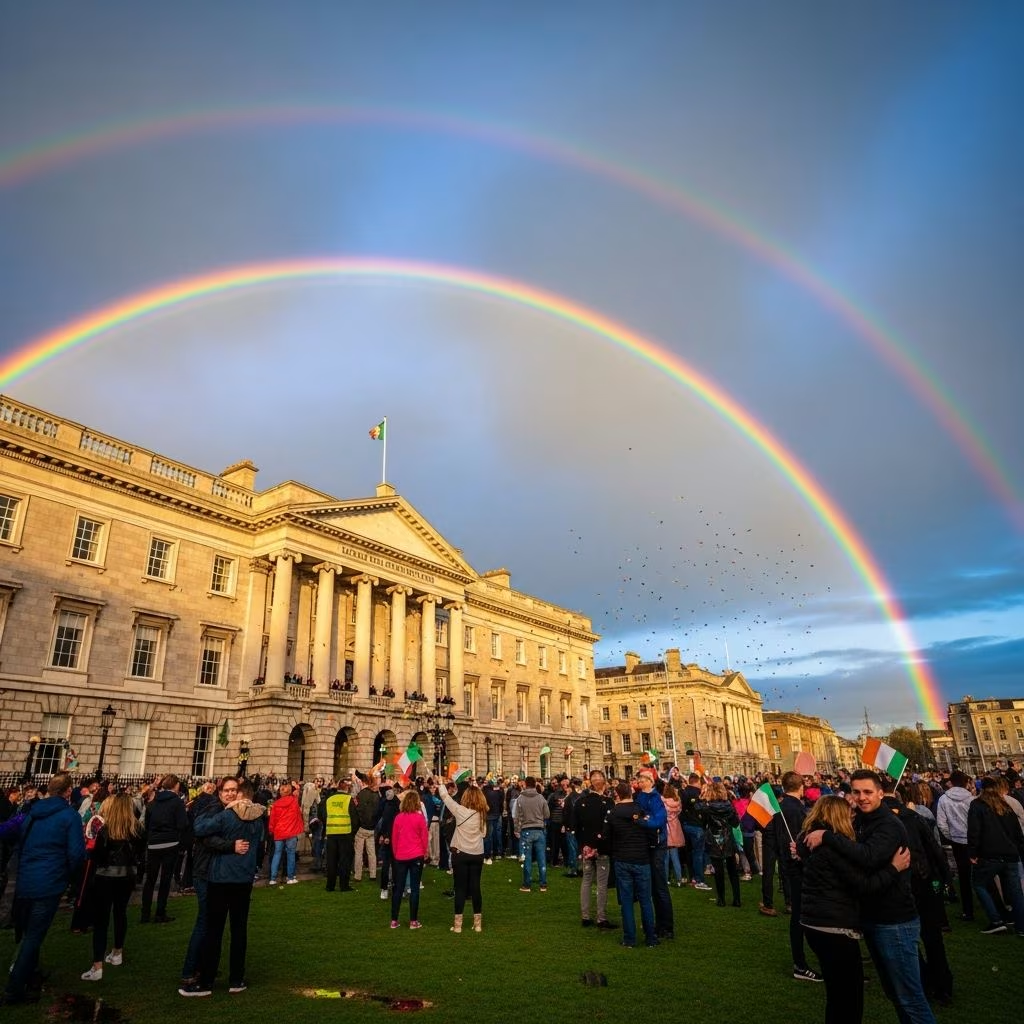
On May 22, 2015, with a 61% turnout from 3.2 million registered voters, 1,201,607 voted ‘Yes’ against 734,300 ‘No’ votes. This 62.07% approval across all 43 constituencies ensured passage, celebrated exuberantly in Dublin as expatriates returned to vote.
| Choice | Votes | Percentage |
|---|---|---|
| Yes | 1,201,607 | 62.07% |
| No | 734,300 | 37.93% |
| Valid Total | 1,935,907 | 99.29% |
| Turnout | 1,949,725 / 3,221,681 | 60.52% |
The Referendum Commission clarified that passage would grant same-sex marriages identical constitutional status to opposite-sex ones, protecting them as families without altering other marriage laws.
Post-referendum, legal challenges were swiftly dismissed by the Court of Appeal on July 30, 2015. President Michael D. Higgins signed the amendment on August 29. The Oireachtas then passed the Marriage Act 2015 on October 22, enabling first same-sex marriages from November 16, 2015—just months after the vote.
This rapid timeline contrasted with delays elsewhere, positioning Ireland as the 18th nation globally and 11th in Europe to legalize same-sex marriage.
The Yes campaign drew diverse allies, including Labour TD Brendan Howlin stressing constitutional equality and Catholic groups like We Are Church Ireland advocating inclusivity. Even some clergy, such as Fr. Brian Ó Fearraigh, endorsed the vote for protecting relationships irrespective of sex.
Opposition included Vatican criticism labeling it a ‘defeat for humanity,’ though domestic resistance waned against overwhelming public backing. Taoiseach Kenny framed it as civil law equality regardless of orientation.
“The proposed referendum will not redefine marriage but rather refine it to make it more inclusive and so enhance the meaning of marriage.” – We Are Church Ireland
Ten years on, as of 2025, Ireland reflects on marriage equality’s transformative impact amid ongoing LGBTQ+ struggles. The 62% victory symbolized secular evolution from Church influence, yet recent RTE reports highlight issues like community safety and rights erosion.
Marriage equality elevated same-sex families’ legal protections, including inheritance and adoption, fostering greater visibility. Polls pre-referendum showed youth leading support, a trend sustaining progress.
Despite advances, challenges persist: rising hate incidents, trans rights debates, and rural-urban divides in acceptance. RTE’s 2025 coverage notes 10-year commemorations underscoring the need for vigilance.
Ireland’s referendum inspired worldwide movements, proving popular votes can advance equality in conservative contexts. It demonstrated campaign strategies like personal storytelling and diaspora engagement’s efficacy.
Comparatively:
| Country | Method | Year |
|---|---|---|
| Ireland | Referendum | 2015 |
| USA | Supreme Court | 2015 |
| Australia | Postal Survey | 2017 |
Countless couples gained full marital rights, from joint taxes to parental status. Stories of diaspora voters returning home underscored national unity for equality, with celebrations drawing thousands.
62% voted Yes, approving same-sex marriage; first global popular vote legalization.
November 16, 2015, following the Marriage Act 2015.
38% voted No, with Vatican critique, but broad support prevailed.
Pre-vote polls hit 76%; youth drove it, with sustained high acceptance.
Safety concerns, trans rights, per 2025 reports.
Ireland’s 2015 vote remains a beacon of democratic equality, evolving from constitutional barrier to inclusive norm over a decade. Continued advocacy ensures its promise endures.
