

 Travel Essentials
 Travel Essentials

Plan a safer Bolivia trip with current advisories, high-risk areas to avoid, and practical tips for handling unrest, crime, and health risks.
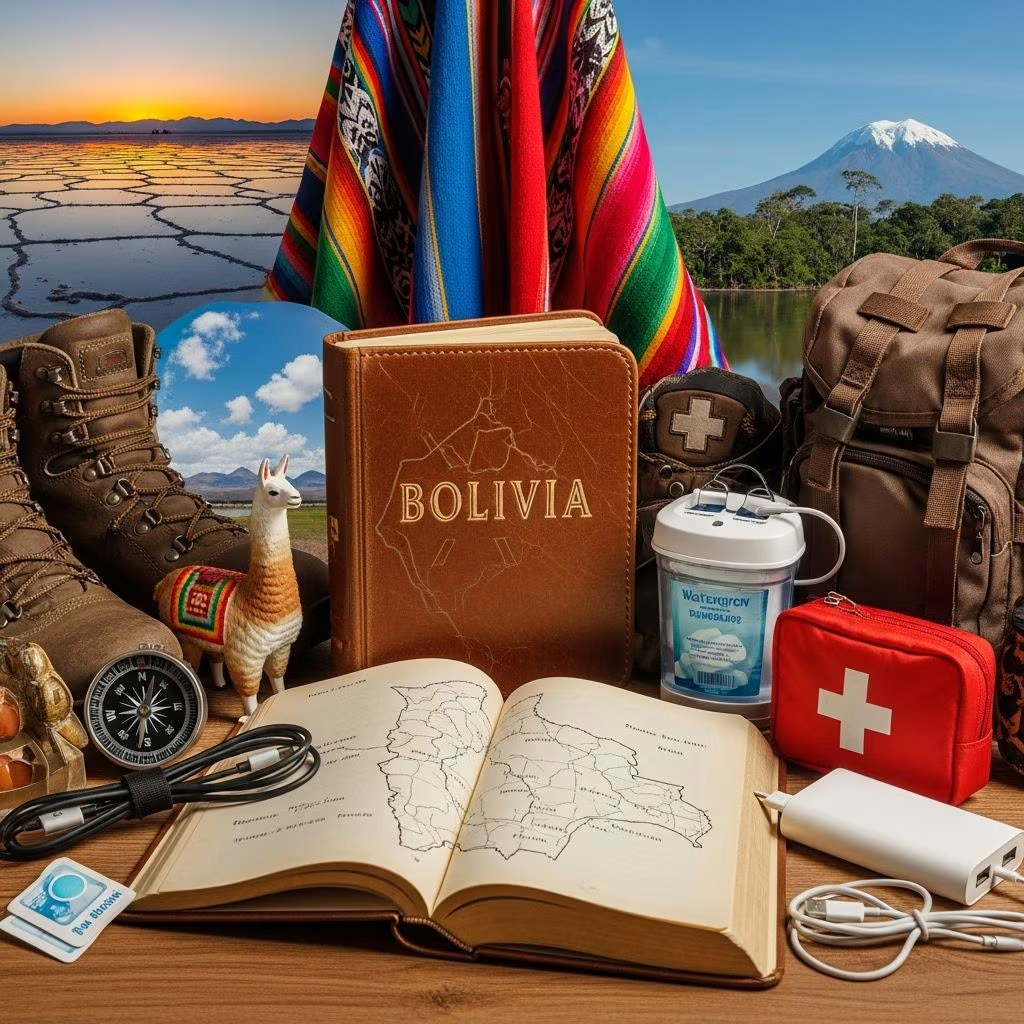 Travel Essentials
Bolivia offers breathtaking landscapes from Andean peaks to Amazon rainforests, but travelers must prioritize safety amid ongoing civil unrest and regional risks. Official advisories from multiple governments recommend exercising increased or high caution across the country, with certain areas like the Chapare region flagged for do-not-travel status due to violent crime.
The U.S. Department of State maintains a Level 2: Exercise Increased Caution advisory for Bolivia, primarily due to unpredictable civil unrest that can disrupt travel nationwide. This level indicates risks are present but manageable with vigilance. Similarly, Australia’s Smartraveller and Canada’s advisories urge a high degree of caution citing violent crime and political tensions. These ratings stem from frequent demonstrations, strikes, and roadblocks that can turn violent and halt transportation.
Advisories are regularly updated; the U.S. version was reissued after annual review, incorporating recent health data.
Demonstrations in Bolivia erupt spontaneously, often over political or economic issues, leading to roadblocks that sever highways and isolate cities. These events have caused flight cancellations, supply shortages, and clashes with security forces. Major cities like La Paz, Cochabamba, and Santa Cruz see the most activity.
Travelers should monitor local news via apps or embassy alerts and build flexible itineraries. Enrolling in programs like the U.S. Smart Traveler Enrollment Program (STEP) provides real-time updates. Avoid protest zones entirely, as even peaceful gatherings can escalate.
| Risk Area | Potential Impacts | Mitigation Steps |
|---|---|---|
| Urban Centers (La Paz, etc.) | Roadblocks, violence | Stay indoors, reroute plans |
| Rural Highways | Stranded travel, shortages | Stock supplies, confirm flights |
| Airports | Delays/cancellations | Contact airlines early |
The Chapare region in Cochabamba Department stands out as a no-go area for most visitors. U.S. officials prohibit employee travel without special approval due to rampant violent crime, drug trafficking, kidnappings, and extortion. Criminal groups dominate, limiting consular assistance.
Other danger spots include:
Pro-coca groups in Chapare have historically clashed violently with authorities, posing risks to foreigners perceived as linked to anti-drug efforts.
Petty theft like pickpocketing plagues tourist hubs in La Paz and other cities. More serious threats include express kidnappings, where victims are coerced to ATMs, and fake police scams. Impostors posing as officers or distressed victims rob unsuspecting travelers.
To counter these:
Four-wheel-drive vehicles are essential outside cities, as 80% of roads are unpaved and treacherous in the rainy season (November-March).
U.S. citizens no longer need a pre-arranged visa for tourism/business stays up to 90 days, a policy shift effective late 2025. However, confirm status as extensions or changes occurred amid diplomatic tensions.
Essential documents:
Overstays incur fines; exit via authorized borders/airports.
Altitude sickness strikes at Andean sites over 16,000 feet—acclimatize gradually regardless of fitness. Yellow fever risks tropical zones; vaccinate early via certified centers.
Recent CDC notices highlight chikungunya in Cochabamba/Santa Cruz—use repellents, long clothing. Mosquito-borne threats persist; consult professionals for itineraries.
Road accidents are frequent due to poor infrastructure—opt for reputable transport.
Bolivia’s Andes lure adventurers, but high altitudes demand preparation. No route is risk-free; hypoxia can affect anyone. Criminals target isolated hikers in Yungas, Rurrenabaque, and Inca paths.
Weather extremes amplify dangers—check forecasts.
Build resilience with these habits:
In crises, U.S. citizens dial +1-202-501-4444 abroad.
Q: Is Bolivia safe for tourists in 2026?
A: Yes with caution—Level 2 advisory means risks exist but informed travel is feasible.
Q: Why avoid Chapare?
A: Violent crime, drug ops limit aid; U.S. personnel restricted.
Q: Do I need a visa?
A: No for U.S. tourists up to 90 days, but verify.
Q: Yellow fever vaccine required?
A: Yes if from risk countries; recommended for tropics.
Q: Best time to avoid unrest?
A: Unpredictable; monitor year-round.
Bolivia’s allure outweighs risks for prepared visitors. Heed advisories, sidestep hazards, and embrace safer paths to unforgettable experiences. Always prioritize official updates.
