

 Travel Essentials
 Travel Essentials

Discover the latest U.S. State Department advisory on Costa Rica's crime surge, including petty theft, armed robberies, and safety measures for beaches, rentals, and solo travelers.
 Travel Essentials
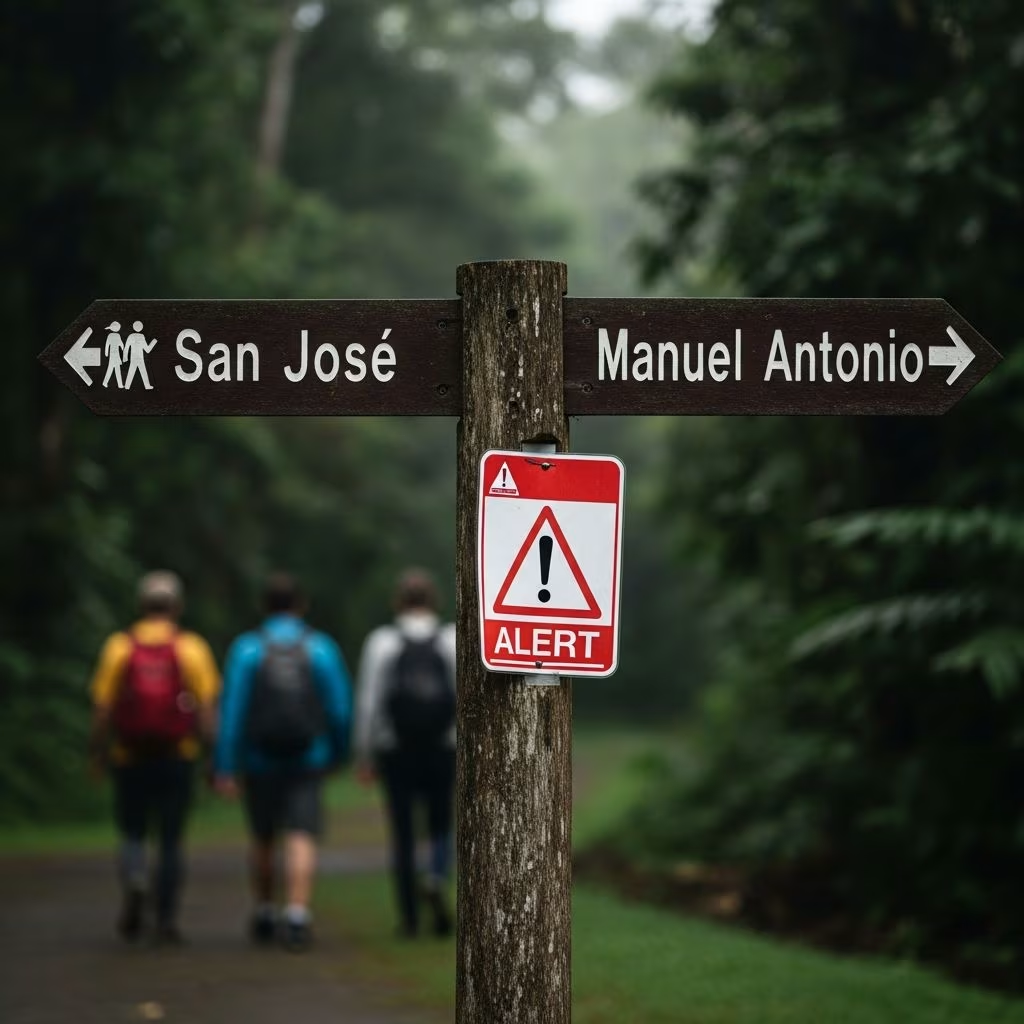
Costa Rica, renowned for its stunning beaches, lush rainforests, and eco-tourism, faces growing safety challenges that demand attention from international visitors. Recent advisories from major governments highlight a noticeable uptick in criminal activities targeting tourists, prompting calls for heightened vigilance during trips.
The U.S. State Department maintains a Level 2 designation for Costa Rica, advising travelers to exercise increased caution primarily due to crime risks. This status, unchanged from prior assessments, underscores persistent issues rather than a sudden escalation, though incidents involving visitors have drawn significant concern. Petty crimes like pickpocketing and bag snatching dominate reports, but violent episodes—including armed robberies and assaults—have also impacted tourists.
Australia’s Smartraveller service echoes this sentiment, recommending a high degree of caution owing to violent crimes such as carjackings and express kidnappings, which increasingly occur in tourist hotspots like resorts and beaches. These parallel warnings from authoritative bodies paint a picture of a destination where natural beauty coexists with urban and opportunistic threats.
Over-tourism has exacerbated petty crimes, as surging visitor numbers create more opportunities for opportunistic thieves, amplified by social media reports.
Certain areas warrant extra care. Beachfronts, especially poorly lit ones at night, see frequent robberies. Popular spots like Tamarindo and Jacó nightlife scenes heighten risks if involving late-night outings or substance use. Rental car hotspots around airports and tourist hubs are prone to thefts. Urban centers like San José report higher violent crime rates compared to rural eco-lodges.
| Area | Primary Risks | Precautions |
|---|---|---|
| Beaches (e.g., Manuel Antonio, Tamarindo) | Bag theft, robberies | Don’t leave items unattended; avoid isolated swims |
| San José & Central Valley | Pickpocketing, carjackings | Use licensed taxis; stay in well-lit areas |
| Rental Car Routes | Break-ins, roadblocks | Park in secure lots; hide valuables |
| Nightlife Zones (Jacó, Nosara) | Assaults, scams | Travel in groups; avoid drugs/alcohol excess |
Natural dangers compound security concerns. Deadly rip currents claim dozens of U.S. lives annually; swim only at lifeguarded beaches, heed flags, and never alone or intoxicated. Costa Rica’s position on tectonic plates means earthquakes and volcanic activity are possible—monitor local alerts.
Health and legal notes include illegal cannabis possession, mandatory yellow fever vaccines for arrivals from high-risk regions, and passport validity for the entire stay. Comprehensive travel insurance covering medical evacuation is essential.
Minimize risks through proactive habits:
In confrontations, comply without resistance—items can be replaced, safety cannot.
U.S. citizens enjoy visa-free entry for up to 180 days with a valid passport and return ticket. Review CDC guidelines for vaccinations and health protocols. Purchase insurance bundling medical, evacuation, and cancellation coverage to handle unforeseen events.
Solo female travelers report feeling secure with precautions, though petty theft remains the chief worry. Families should prioritize child safety on beaches and in crowds. Group activities via reputable operators reduce vulnerabilities.
Yes, with precautions. Level 2 advisories indicate manageable risks, far from ‘do not travel’.
Comply, then report to police (911) and embassy. File for insurance claims.
Common theft targets—park securely, remove items.
Swim designated areas, watch flags, avoid alcohol.
Urban zones like San José have higher violent crime; coasts focus on theft.
Costa Rican authorities bolster tourist police patrols and community programs. Many visitors enjoy incident-free trips by staying informed. Balance caution with the country’s unparalleled biodiversity and hospitality.
Ultimately, informed preparation transforms potential pitfalls into minor notes on an unforgettable adventure. Prioritize awareness to fully embrace Pura Vida safely.
