

 Travel Essentials
 Travel Essentials

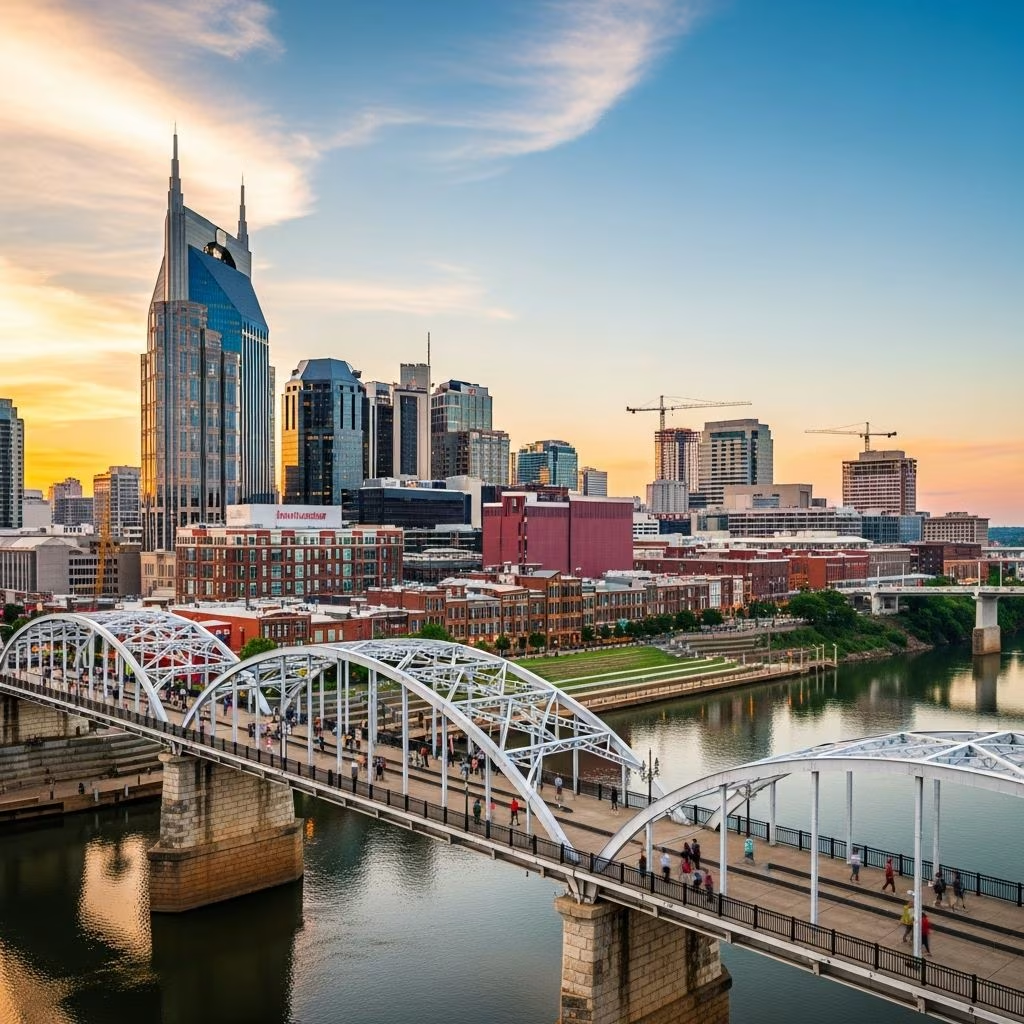
Nashville remains welcoming during recovery, with open attractions, live music, and ways to support local businesses responsibly.
 Travel Essentials
When natural disasters strike major cities, the question often arises: should tourists continue visiting? For Nashville, the answer is a resounding yes—with thoughtful considerations. Music City’s economy depends significantly on tourism, and visitors who return responsibly can contribute meaningfully to the community’s recovery while enjoying world-class entertainment and hospitality. This guide addresses key concerns travelers may have about visiting Nashville during reconstruction and recovery periods, ensuring your visit is both enjoyable and supportive of local revival efforts.
When severe weather events impact Nashville, they typically affect specific neighborhoods more severely than others. Different areas experience varying degrees of damage, which means recovery timelines differ significantly across the city. Downtown Nashville and the Entertainment District—home to iconic honky-tonks, restaurants, and music venues—often escape the most severe impacts, allowing tourism infrastructure to remain largely operational. However, residential neighborhoods on the outskirts and in surrounding communities may experience substantial rebuilding periods lasting months or longer.
The economic ripple effect of tourism disruption extends beyond hotels and restaurants. Musicians who perform in venues rely on consistent bookings, stagehands and crew members depend on event schedules, and countless service workers depend on visitor spending. Understanding this interconnected economy helps travelers appreciate why their decision to visit—and spend locally—directly supports recovery efforts.
During recovery periods, most major thoroughfares remain open and functional. Primary routes such as Broadway—the heart of Nashville’s honky-tonk district—West End Avenue, and interstate highways continue to support regular traffic flow. However, travelers should anticipate that some secondary streets, particularly in affected neighborhoods, may experience temporary closures or detours as cleanup and reconstruction work progresses.
Power outages in certain areas can affect traffic signals at intersections, creating potentially hazardous conditions especially after dark. Visitors should drive cautiously through these zones, treating non-functional traffic lights as four-way stops and proceeding with extra vigilance.
WeGo, Nashville’s public transit system, continues operating during recovery periods, though some bus routes may follow temporary detour patterns to avoid affected streets. Travelers comfortable with public transit can utilize these services, keeping in mind that routes and schedules may differ from normal operations.
Ride-sharing services including Uber and Lyft maintain robust operations throughout Nashville, offering convenient point-to-point transportation without navigating street closures. Local tour operators such as Mint Julep Tours provide guided experiences with knowledgeable drivers who understand current street conditions, construction zones, and optimal routing. These services prove particularly valuable for visitors unfamiliar with Nashville’s layout.
For those interested in experiencing Nashville’s distinctive character while avoiding navigation concerns, hiring a local driver provides both convenience and an opportunity to support employment in the tourism and hospitality sectors.
Nashville’s reputation as Music City rests on its vibrant live music scene, and this landscape remains largely intact during recovery. The Grand Ole Opry—an institution that has never missed a performance in its nearly century-long history—continues hosting shows. Most music venues throughout the city remain operational, with many actually hosting special benefit concerts that directly support disaster relief initiatives.
When individual venues experience damage and require temporary closure for repairs, the music community demonstrates remarkable resilience. Scheduled performances get rapidly rebooked at alternative venues, ensuring that artists can still perform and audiences can still enjoy live music. This flexibility exemplifies Nashville’s commitment to maintaining its cultural identity during challenging periods.
Major attractions including the Country Music Hall of Fame and Museum, the Johnny Cash Museum, and the Parthenon continue welcoming visitors. While some venues may experience temporary closures due to localized damage—fallen trees, blocked street access, or power restoration work—these represent temporary interruptions rather than extended shutdowns. Before planning visits to specific attractions, checking current operating status ensures smooth travel planning.
Some beloved independent venues may require closure for repairs. Rather than canceling performances permanently, Nashville’s music community demonstrates entrepreneurial spirit by securing alternative venues. Concerts originally scheduled at temporarily closed establishments get rescheduled at available venues, maintaining the live music calendar that defines the city’s entertainment appeal.
Nashville’s restaurant scene encompasses establishments throughout the city, with many located in downtown and central areas that typically remain operational during recovery periods. From casual honky-tonk dining to upscale restaurants, visitors can continue enjoying Tennessee cuisine and dining experiences that define the city’s food culture.
Hotel accommodations continue operating, with most properties maintaining normal operations and customer services. Staying in hotels supports employment for housekeeping staff, front desk personnel, maintenance workers, and countless other hospitality professionals whose livelihoods depend on visitor occupancy.
Some merchants in damaged neighborhoods temporarily relocate their operations to alternative retail spaces. Community initiatives sometimes emerge where undamaged businesses offer space to affected merchants, allowing them to continue serving customers and generating income during reconstruction. Seeking out these collaborative retail efforts enables visitors to support small businesses while enjoying shopping experiences.
While recovery efforts continue in affected areas, visitors should exercise judgment about where they spend time. Neighborhoods actively engaged in cleanup and construction work require focus from local residents and workers. Visiting hard-hit areas out of curiosity can inadvertently interfere with recovery operations and distract local workers from urgent restoration tasks.
In neighborhoods where debris removal remains ongoing, wearing closed-toe shoes provides protection against sharp objects and hazardous materials. Any buildings displaying yellow caution tape or construction barriers should be avoided—these designations indicate active danger or restricted access zones.
Visitors should remain aware of their surroundings and exercise the same safety precautions they would in any urban environment. Basic street smarts—staying on well-lit routes at night, avoiding isolated areas, and trusting instincts about locations—apply during recovery periods just as they do under normal conditions.
The most straightforward way visitors support recovery is through normal tourism spending. Hotel stays, restaurant meals, concert tickets, museum admissions, and retail purchases all generate revenue that flows to workers and business owners. These economic activities directly counter the financial disruption caused by natural disasters.
Organized volunteer programs coordinate visitors and residents working together on recovery projects. Hands On Nashville and similar organizations connect volunteers with meaningful work, whether clearing debris, assisting with distribution centers, or supporting community relief efforts. Visitors with extra time and energy can inquire about volunteer opportunities that align with their skills and interests.
Many music venues and cultural institutions host benefit concerts and special events where ticket proceeds support relief organizations. Attending these events provides entertainment while directly contributing to recovery funding.
Before traveling to Nashville, check current information about venue operating hours, street conditions, and attraction availability. Official tourism websites and venue websites provide real-time updates about closures and schedule changes. This research prevents disappointment and helps optimize your itinerary.
Building flexibility into travel plans accommodates potential schedule changes. Having backup attraction options and flexible evening plans allows visitors to adapt if specific venues experience temporary closures or altered hours.
Nashville’s residents are engaged in rebuilding efforts alongside managing daily life. Visitors who respect cordoned-off areas, avoid congesting affected neighborhoods, and maintain awareness that locals are managing genuine hardship demonstrate consideration that distinguishes respectful tourism from problematic visitation patterns.
Nashville’s identity as Music City transcends any single venue or neighborhood. The spirit of live music, hospitality, and community permeates the city’s culture. When natural disasters affect the city, this resilience manifests in continued performances, rapid venue relocations, and community members working together toward recovery.
Visitors who choose to travel to Nashville during recovery periods participate in this resilience narrative. By spending money, enjoying entertainment, and supporting local businesses, tourists demonstrate confidence in the city’s ability to recover and maintain its status as a premier American destination. This confidence, combined with economic support, enables Nashville to emerge stronger from challenging periods.
Yes, Nashville remains a safe destination during recovery periods. Downtown areas and tourist districts typically remain unaffected by localized damage. Standard urban travel precautions apply, and visitors should avoid cordoned-off areas where construction and cleanup work occur.
Most major attractions remain open during recovery periods. Some venues may experience temporary closures due to localized damage, but the majority of museums, concert venues, and cultural institutions continue operating. Checking current status before visiting specific attractions ensures smooth planning.
Visiting the city, staying in hotels, dining in restaurants, attending concerts, and shopping locally all contribute to economic recovery. Visitors can also inquire about volunteer opportunities with established relief organizations.
Yes, rideshare services, public transit, and guided tours continue operating. Some routes may experience temporary modifications, but transportation options remain available for visitor mobility throughout the city.
