

 Travel Essentials
 Travel Essentials

Comprehensive 2026 guide on Nicaragua travel safety: crime hotspots, health risks, natural hazards, and precautions for worry-free adventures.
 Travel Essentials
Travelers can visit Nicaragua safely in 2026 by exercising caution, particularly in urban areas and remote regions, despite a U.S. Level 3 travel advisory urging reconsideration due to legal risks and crime. Popular tourist spots like Granada and San Juan del Sur remain viable with standard precautions, as many visitors report positive experiences.
The U.S. Department of State maintains a Level 3: Reconsider Travel warning for Nicaragua, highlighting arbitrary law enforcement, potential wrongful detention of foreigners, and inadequate healthcare access. This advisory, updated as of late 2024, stems from government actions that could unpredictably affect visitors, including U.S. nationals. Similarly, Australia’s Smartraveller recommends a high degree of caution due to violent crime threats.
Despite these alerts, tourism operates normally with open borders and flights. Destinations such as the Pacific coast resorts and cultural hubs see regular international arrivals without widespread incidents when basic rules are followed. Political tensions occasionally lead to protests; avoid all demonstrations, as they may involve live ammunition or roadblocks.
Petty theft like pickpocketing dominates concerns, especially at bus stations, crowded markets, and public transport in Managua. The capital’s old cathedral area and Avenida Bolivar report higher incidents, alongside gang activity in neighborhoods like Rene Schick and Jorge Dimitrov. Zona Rosa has issues tied to prostitution, making it advisable to skip after dark.
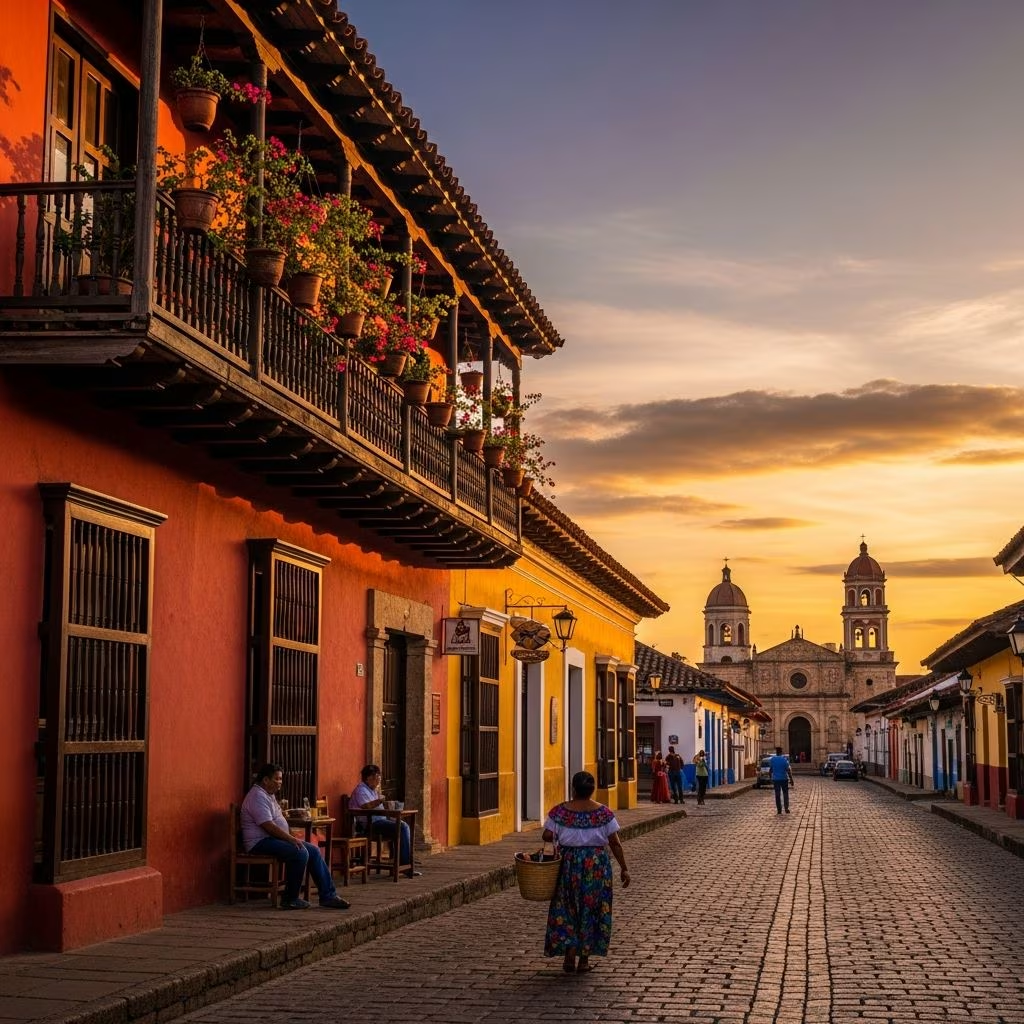
On the Atlantic coast, including Puerto Cabezas, Bluefields, and Corn Islands, street crime occurs but is manageable with vigilance. Tourist favorites like Granada, León, and San Juan del Sur experience lower rates, bolstered by established hospitality infrastructure. Violent crimes such as armed robbery or assault are risks nationwide, so increased awareness is essential.
| Area | Risk Level | Key Precautions |
|---|---|---|
| Managua | High | Avoid night walks, use licensed taxis |
| Granada & León | Medium | Stick to well-lit tourist zones |
| Coastal Spots (San Juan del Sur) | Low-Medium | Secure belongings at beaches |
| Atlantic Coast | Medium-High | Travel in groups during day |
Blend in by avoiding flashy jewelry, large cameras, or excessive cash displays to deter thieves. Use money belts for valuables and stay alert in crowds. Opt for accommodations with 24-hour security and strong reviews. Nighttime travel is risky; use reputable ride services or shuttles instead of walking.
Public buses are economical but prone to theft—keep bags close and avoid overhead storage. In Managua, lock car doors at traffic lights due to opportunistic grabs. Change money only at banks or authorized exchanges to prevent scams. Drones are prohibited, so leave them home.
Nicaragua’s volcanoes and earthquakes demand preparedness. Know protocols: drop, cover, and hold during tremors. Landmines linger in northern rural zones off main roads—stick to paved paths. Pacific beaches feature powerful riptides; swim where locals do and heed flags.
Mosquito-borne illnesses like dengue and Zika persist—use DEET repellent, long sleeves, and coils, especially in rainy months. Scorpions and stray animals pose risks; shake out shoes and avoid feeding strays. Sun exposure is intense; apply high SPF and stay hydrated.
Healthcare facilities are limited outside major cities, complicating emergencies. Secure comprehensive travel insurance covering evacuation and medical care. Required vaccines include hepatitis A/B, typhoid, and rabies for rural areas; consult CDC guidelines.
Waterborne issues are common—drink bottled or purified water, and peel fruits. Pharmacies stock basics, but bring personal meds. Register with your embassy’s program (e.g., U.S. STEP) for alerts.
Chicken buses are adventurous but theft-prone; upgrade to tourist shuttles for safety. Taxis should use meters or agree on fares upfront; apps like Uber operate in cities. Renting cars requires caution—avoid night driving on poor roads and check insurance.
For domestic flights to Corn Islands or Bluefields, book with established airlines. Borders with Costa Rica and Honduras are straightforward but verify requirements.
Families should prioritize mosquito protection, sun safety, and riptide awareness at beaches. Keep kids from stray animals to prevent bites. Solos benefit from group tours and hostels with social vibes for added security.
Women travelers report general safety in tourist areas but advise against solo night outings. LGBTQ+ visitors find acceptance in beach towns but discretion inland.
Common tricks include overcharging taxis, fake police demanding bribes, or child distractions at eateries. In Managua, strangers may offer ‘help’ leading to robberies. Verify tour deals and ignore unsolicited offers.
Yes, with precautions—tourism thrives in key spots despite advisories.
Americans visit regularly; review State Department advice and get insurance.
High-crime Managua zones and remote north; focus on Granada, León.
Watch for riptides on Pacific side; follow local guidance.
Essential for medical evacuation given limited facilities.
Start in Managua airport, head to Granada for colonial charm, then León’s street art and volcanoes. Relax in San Juan del Sur’s surf scene or Emerald Coast resorts. Time visits for dry season (December-April) to dodge rains. Use apps for real-time alerts and connect with expat communities for tips.
By prioritizing verified services, daytime movement, and awareness, your Nicaraguan journey can highlight volcanoes, lakes, and warm locals safely.
