

 Travel Essentials
 Travel Essentials

Complete guide to Isla Holbox covering attractions, transportation, wildlife encounters, and travel tips for this unique Mexican island destination.
 Travel Essentials
Nestled along the northern coast of the Yucatan Peninsula, Isla Holbox represents a stark departure from the commercialized resort atmosphere found throughout Mexico’s Caribbean region. This elongated island, stretching approximately 26 miles in length while maintaining a width of just one mile, exists as part of the expansive Yum Balam Nature Reserve. Positioned strategically between the Caribbean Sea and the Gulf of Mexico, separated from the mainland by the Yalahau Lagoon, the island has preserved a distinctly bohemian character that attracts travelers seeking authenticity over luxury.
The defining characteristic of Isla Holbox is the complete absence of automobiles on its thoroughfares. Rather than conventional paved roads, the island features sand-covered pathways that wind through the settlement. This unconventional infrastructure creates an environment where visitors and residents navigate on foot, bicycle, golf cart, or moped. The prohibition on vehicle traffic emerged from practical necessity—the island’s natural terrain simply could not support conventional road systems, yet this limitation has become the island’s greatest asset, preserving a slower pace of life that increasingly rare destinations manage to maintain.
For most international visitors, the journey to Isla Holbox begins at Cancún International Airport. From this major hub, travelers have several pathways to reach the island, though each requires coordination and patience. The most straightforward overland route involves a two-hour shuttle service from Cancún to the coastal town of Chiquilá, which serves as the primary ferry terminus.
Upon arriving in Chiquilá, visitors must secure ferry passage to the island. Two ferry operators maintain regular service schedules, with departures running on alternating hours and half-hours, ensuring consistent transportation throughout daylight hours. The ferry voyage itself takes approximately 30 to 45 minutes depending on sea conditions and the specific operator. Ferry tickets cost roughly $10 USD per person each way, with payment accepted in both Mexican pesos and card transactions.
Alternatively, some travelers choose to drive their own vehicles from Cancún, which requires approximately two hours to reach Chiquilá. Upon arrival at this ferry town, vehicle owners must locate parking facilities. While formal parking infrastructure remains limited, local entrepreneurs have developed informal parking arrangements in personal yards and garages, typically charging modest daily fees for this service.
For those prioritizing convenience, private air services connect Cancún to a small airstrip on the island, though this option commands significantly higher costs. Additionally, luxury transfer services can arrange private ground transportation from Cancún Airport directly to the Chiquilá ferry terminal, eliminating the need for independent coordination.
The optimal visiting season mirrors that of other Yucatan destinations, aligning with the region’s dry season. The period spanning late November through February offers the most favorable combination of weather conditions and wildlife viewing opportunities. During these months, rainfall decreases substantially, humidity levels become more tolerable, and temperatures remain warm without reaching the oppressive heat of summer months.
However, specific activities dictate different seasonal preferences. The phenomenon of bioluminescence—when dinoflagellates create ethereal glowing displays in the water—peaks between June and August. Whale shark season overlaps significantly, running from June through September with peak concentrations occurring in July and August. Travelers planning these specific experiences should consider booking accommodations and tours well in advance, as these activities draw considerable interest.
Transportation methods on Isla Holbox reflect the island’s commitment to maintaining its non-motorized character. Visitors can traverse the island entirely on foot, with most attractions and accommodations within reasonable walking distance of ferry arrival points. For travelers with luggage or those preferring alternative transportation, bicycles remain readily available through rental shops distributed throughout the settlement.
Golf carts function as the primary taxi service for longer distances or when transporting belongings. These open-air vehicles provide casual transport while maintaining the island’s distinctive ambiance. Mopeds also serve as personal transportation alternatives for those comfortable navigating sandy terrain on two wheels. The absence of vehicular traffic creates an environment remarkably safe for pedestrians, particularly for families with children.
The Yum Balam Nature Reserve, which encompasses Isla Holbox, represents one of Mexico’s most significant protected ecosystems. The surrounding waters teem with specialized marine fauna adapted to the unique environmental conditions created by the interaction between Caribbean and Gulf waters.
Whale Shark Experiences: Among the most sought-after activities, swimming alongside whale sharks represents a bucket-list experience for many ocean enthusiasts. These gentle giants, the world’s largest fish species, congregate in the waters surrounding the island during specific months. Tour operators launch excursions from the harbor, transporting visitors by speedboat to designated swimming areas where encounters with these magnificent creatures occur.
Flamingo Populations: The shallow sandbars and lagoon edges provide ideal habitat for the pink flamingos that have become iconic symbols of tropical Caribbean destinations. The most reliable location for flamingo observation is Punta Mosquito, accessible either through an approximately 90-minute beach walk or via boat tours. Visitors can wade through shallow waters to reach the sandbars where these birds gather in considerable numbers.
Bioluminescent Waters: During specific months, the water surrounding the island glows with ethereal blue light after dark. This natural phenomenon results from dinoflagellates—microscopic organisms—that emit light when disturbed. Night kayak tours offer immersive experiences paddling through waters that illuminate with each paddle stroke. Scheduling these tours during moonless or new moon periods enhances visibility of the bioluminescent displays.
Marine and Avian Life: Beyond the headline attractions, the Yum Balam Reserve hosts diverse wildlife populations including pelicans, sea turtles, and an abundance of fish species. Punta Mosquito, while offering flamingo viewing opportunities, also rewards visitors with sightings of horseshoe crabs and other marine creatures in its protected shallow waters.
The island’s built environment reflects a vibrant artistic tradition expressed through street art and murals covering residential and commercial structures. The Ruta de los Murales, a self-guided walking tour, allows visitors to explore these creative works independently at their own pace. The urban park anchoring the town center, Parque Central de Holbox, provides another cultural hub where visitors can observe local life and access food vendors serving authentic Mexican cuisine.
Downtown Holbox presents an eclectic mix of architectural styles and commercial establishments. The ramshackle restaurants and casual beach bars contrast with occasional boutique establishments, creating visual interest that reflects the island’s evolving character. Food carts scattered throughout the settlement offer diverse taco varieties and other local specialties, providing affordable culinary experiences.
While Isla Holbox itself provides ample entertainment, several nearby destinations merit exploration through organized boat tours. Multi-island tours represent popular half-day excursions that typically visit three to four nearby islands with designated swim stops. These tours often include visits to cenotes—underground freshwater pools formed in limestone—and neighboring islands such as Isla Pe1jaros (Bird Island) where birdwatching opportunities abound.
Speedboat tours to peripheral locations like Cabo Catoche, the easternmost point of Isla Holbox, require approximately 45-minute journeys. These excursions typically combine multiple destinations within single day-trip packages, offering efficient access to diverse ecosystems and wildlife viewing opportunities.
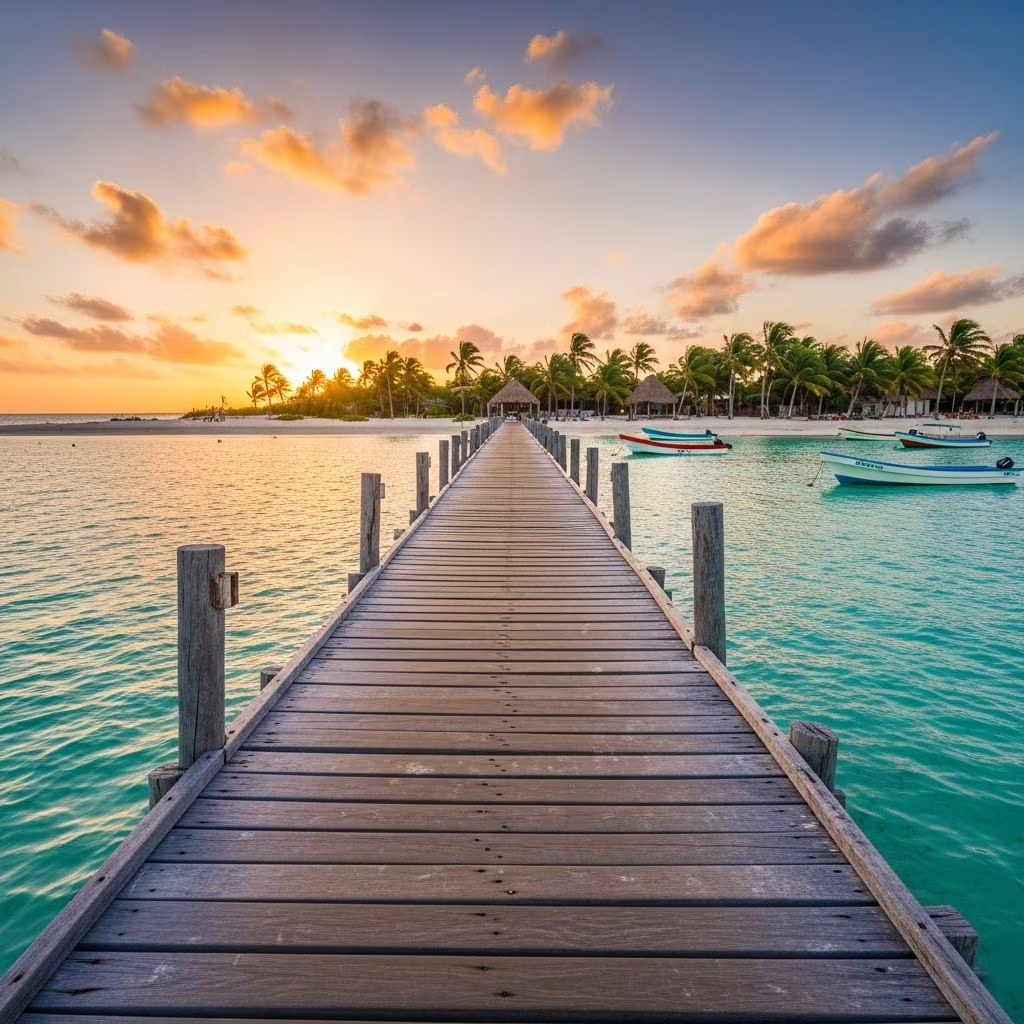
Holbox Beach stretches along considerable portions of the island, providing multiple beach environments suitable for different preferences and interests. The soft white sand and clear turquoise waters create Instagram-ready environments that consistently appear in travel photography. Playa Punta Cocos offers particularly distinctive sunset viewing experiences, often featuring swings suspended over beach environments—the famous Columpios Casa Punta Cocos installation that has become a social media sensation.
The beaches remain remarkably underdeveloped compared to other Caribbean destinations, with minimal commercial infrastructure. This lack of resort development preserves the natural beach experience and maintains the island’s laid-back atmosphere. Visitors can spend entire days on the sand without significant crowds or commercial pressure.
The island’s food scene reflects both local traditions and bohemian influences attracted to the destination. Street vendors and food carts provide affordable Mexican staples, particularly taco varieties available with countless protein and topping combinations. Casual beach bars serve cold beverages and seafood-based dishes with an emphasis on casual dining rather than formal service.
The dining experience emphasizes relaxation and community rather than culinary sophistication. Ramshackle restaurant structures and open-air venues encourage lingering over meals, watching sunset, or observing street life from comfortable vantage points.
Lodging ranges from budget hostels to boutique hotels, with establishments generally maintaining the island’s casual aesthetic. Casa Las Tortugas represents one of the more upscale options, offering luxury accommodations while respecting the island’s environmental commitments. Most hotels maintain beach proximity and provide practical amenities for travelers accustomed to basic necessities.
Isla Holbox appeals to travelers seeking departure from conventional resort experiences. The island’s commitment to environmental preservation, expressed through car-free infrastructure and inclusion within a protected nature reserve, attracts environmentally conscious visitors. The slower pace of life enforced by the absence of motor vehicles creates space for genuine relaxation and contemplation increasingly difficult to find in commercialized destinations.
The combination of natural attractions—whale sharks, flamingos, bioluminescent displays—with cultural elements like street art and bohemian community creates a multidimensional destination. Travelers can structure visits around specific wildlife experiences or embrace pure relaxation without commitments to scheduled activities.
Yes, particularly for travelers seeking relaxed beach destinations with genuine cultural character and substantial wildlife viewing opportunities. The island’s uniqueness relative to other Caribbean destinations and environmental commitment justify the additional travel coordination required to reach it.
Three to four days allows exploration of the island itself, participation in major excursions like whale shark tours or multi-island boat trips, and sufficient beach time. Longer stays support deeper immersion into the local culture and more flexible activity scheduling.
July and August represent peak season for whale shark encounters, though the season extends from June through September. Booking tours well in advance ensures accommodation availability and tour provider access during these popular months.
No vehicles are permitted on the island due to its sand-based road structure. However, you can drive to the ferry terminal at Chiquilá. Parking arrangements exist through informal local services.
Mexican pesos remain the primary currency, though many establishments accept US dollars and card payments. However, some smaller vendors and food carts operate cash-only systems, requiring pesos specifically.
