

 Travel Essentials
 Travel Essentials

Discover Istanbul beyond the landmarks through neighborhood cafés, ferries, hammams, markets, and parks where locals actually spend their time.
 Travel Essentials
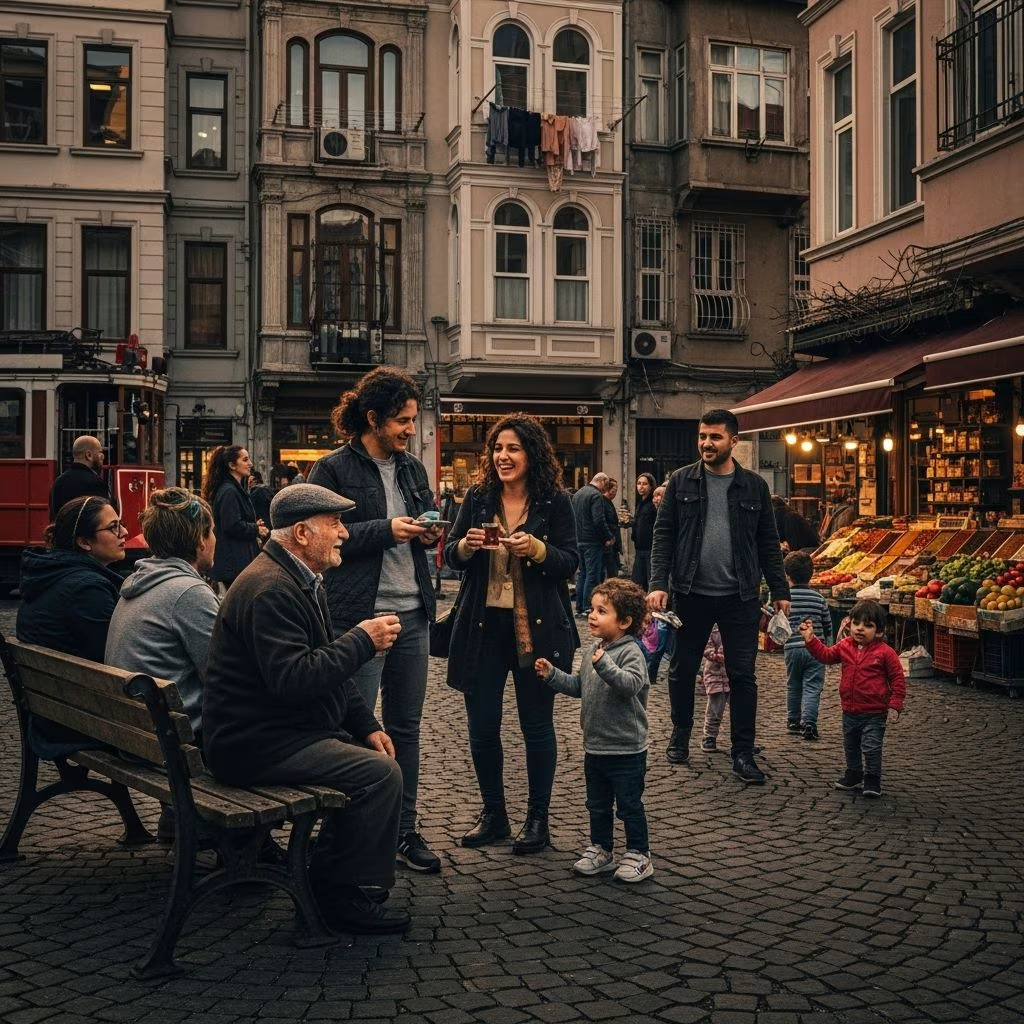
Istanbul, a sprawling metropolis straddling two continents, attracts millions of visitors annually to its iconic landmarks and historic monuments. Yet beyond the well-trodden paths of Sultanahmet and the crowded bazaars lies a different Istanbul—one where locals navigate daily life, forge friendships, and create genuine memories. Understanding where residents actually spend their time reveals the true pulse of this extraordinary city, offering travelers an opportunity to experience Istanbul as more than just a checklist of famous sites.
Nestled within the Beşiktaş district, Ortaköy represents a fascinating blend of tourist recognition and authentic neighborhood living. While many visitors arrive specifically to photograph the iconic Ortaköy Mosque rising gracefully from the waterfront, the real treasure lies in exploring the surrounding warren of pedestrian-only streets that characterize the district. These car-free pathways create an atmosphere fundamentally different from Istanbul’s busier commercial zones, allowing residents and adventurous travelers to browse boutique shops and family-run eateries at a leisurely pace.
The dining establishments throughout Ortaköy serve as gathering points for locals seeking genuine, affordable Turkish cuisine prepared without pretension. Small restaurants tucked into side streets offer handmade dishes that reflect generations of culinary tradition, with prices that reflect the neighborhood’s importance to working families rather than wealthy tourists. These venues provide windows into how Istanbul residents prioritize quality ingredients, time-honored cooking techniques, and the social ritual of sharing meals with family and friends.
The ferry pier area surrounding Ortaköy introduces visitors to yet another layer of local culture through street food traditions, particularly the preparation and consumption of kumpir—oversized baked potatoes hollowed and filled with an array of vegetables, meats, and sauces according to individual preference. This casual food experience demonstrates how locals interact with their urban environment, transforming transit hubs into social and culinary gathering spaces.
Positioned on the western bank of the Golden Horn, Eyüp offers vistas that capture Istanbul’s layered geography and historical significance in ways that monumental attractions cannot match. The district’s elevated vantage points reveal the city’s sprawling residential quarters, industrial zones, and water pathways that compose the genuine fabric of urban life. During evening hours, when the sun angles toward the horizon, these viewpoints acquire an almost spiritual quality that resonates with both longtime residents and first-time visitors seeking authentic connection with the place.
Beyond its visual appeal, Eyüp functions as a meaningful cultural and religious site for Istanbul residents. The district’s sacred significance combined with its everyday commercial and residential character creates a space where spiritual devotion coexists with ordinary urban routines. For travelers willing to venture beyond the central tourist zones, Eyüp provides insight into how Istanbul residents navigate the integration of faith, history, and contemporary life within their daily movements through the city.
Concealed within a narrow passageway branching from the main pedestrian thoroughfare İstiklal Caddesi in Beyoğlu, Aslıhan Pasajı functions as an unexpected literary sanctuary within the contemporary urban landscape. This multi-story arcade concentrates used books, vintage magazines, comic collections, and even archived cassette tapes across numerous small independent shops, each operated by proprietors with deep personal investment in their inventory.
The passage attracts a particular category of local visitor—collectors, students, nostalgia seekers, and individuals for whom physical books represent something irreplaceable within digital culture. The density of inventory, the labyrinthine organization of stock, and the discovery-oriented nature of browsing these spaces create experiences fundamentally different from modern retail environments. For Istanbul residents who value reading, research, or simply the tactile experience of engaging with published works, Aslıhan Pasajı provides both practical access to affordable books and cultural affirmation that their interests remain valued within their city.
The Çukurcuma neighborhood in Beyoğlu has evolved into Istanbul’s premier destination for antique collectors, decorative object enthusiasts, and individuals seeking unique furnishings or historical artifacts. The streets radiating from Çukurcuma Caddesi function essentially as an extended, organic marketplace where shop after shop displays accumulated inventory ranging from practical household items to genuinely rare finds.
What distinguishes Çukurcuma from conventional shopping districts involves the genuine uncertainty of discovery. Shop interiors often appear chaotic to untrained eyes, with merchandise stacked toward ceilings and inventory organized according to logics understood primarily by proprietors. This environment transforms shopping into archaeological exploration, where spending several hours moving through multiple locations yields authentic engagement with material history, craftsmanship traditions, and the stories embedded within objects. Local residents utilize these shops for practical purposes—locating specific items for restoration projects, furnishing homes with character-filled pieces, or simply enjoying the ritual of searching through accumulated collections.
The genuine dining culture that defines how Istanbul residents nourish themselves exists largely outside tourist-oriented restaurants and established branded establishments. Street food traditions—lahmacun (thin Turkish flatbread topped with spiced meat mixture), kokoreç (grilled seasoned intestines), and various iterations of börek (filled pastries)—remain central to how locals experience food within their daily urban navigation. These items, sold from modest storefronts and street vendors, represent affordability, accessibility, and cultural continuity rather than culinary innovation.
The preparation of mantı—small pasta parcels filled with meat or other ingredients and traditionally hand-made by family members—continues as both daily sustenance and special occasion food within Istanbul households. Specialized mantı restaurants serve as important social gathering points where the labor intensity of traditional preparation justifies restaurant prices while the quality and authenticity distinguish these venues from contemporary fusion cuisine establishments.
Kadıköy, positioned on Istanbul’s Asian bank, functions as a distinct cultural and commercial hub where the rhythm of daily life differs markedly from the central European-side districts. This neighborhood concentrates authentic street food traditions, vibrant artistic expression through public murals, and genuine neighborhood commerce. The iconic Bull Statue serves as both landmark and social anchor point, while historic tram lines maintain their role as practical transportation infrastructure rather than heritage attractions.
Karakoy, situated strategically between the old city and contemporary commercial zones, attracts residents seeking spaces that combine historical architectural character with contemporary amenities and dining experiences. The district’s waterfront locations, modest terrace restaurants, and narrow streets create environments where daily routines include exposure to the Bosphorus, maritime heritage, and the layering of historical periods visible within the urban fabric.
Arnavutköy represents a fundamentally different Istanbul experience—a quieter, primarily residential neighborhood where distinctive architectural character prevails and the pace of life notably slows relative to central commercial districts. For locals seeking escape from urban intensity while maintaining city residence, such neighborhoods provide essential counterbalance to the constant stimulation of Istanbul’s most famous zones.
The hammam tradition, maintaining centuries of continuous practice within Istanbul culture, preserves bathing rituals that transcend simple hygiene to encompass social bonding, health maintenance, and spiritual cleansing. Gedikpaşa Hamamı, with documented history extending over 550 years, exemplifies how specific establishments maintain cultural authenticity while adapting to contemporary visitor expectations. The traditional architecture—domed ceilings, heated marble surfaces, specific room sequences progressing through temperature variations—reflects generations of refined understanding about optimal bathing experiences and thermal therapeutics.
For Istanbul residents, hammam visits typically occur with family or friend groups, transforming bathing into social occasion rather than solitary activity. The professional staff—particularly the experienced attendants performing vigorous body scrubbing and massage—execute techniques requiring specialized knowledge passed through apprenticeship traditions. These spaces remain meaningful for locals seeking connection with cultural heritage while benefiting from the genuine restorative effects of traditional thermal bathing practices.
While Istanbul’s density often obscures natural spaces, residents maintain relationships with strategic parks and waterfront areas that provide respite and recreational opportunity. Yoğurtçu Park functions as a genuine community gathering space with sports facilities, children’s play areas, and viewing access to local waterway systems. The park’s significance derives partly from its practical recreational offerings but equally from its role as social commons where residents encounter neighbors, exercise, and maintain connection with natural elements within an intensely urban environment.
The Atatürk Arboretum within Sarıyer district provides more extensive natural experience, encompassing 296 hectares within the Belgrad Forest. For residents seeking extended time in naturalistic settings—hiking, photographing botanical specimens, or simply experiencing reduced urban density—such preserved spaces offer essential psychological and recreational resources.
The Chora Museum, Rüstem Pasha Mosque, and Museum of Innocence attract international visitors but simultaneously function within local cultural consciousness as meaningful sites representing artistic achievement, religious heritage, and contemporary artistic interpretation respectively. For residents, these spaces may be revisited periodically throughout their lives, acquiring familiarity and personal significance that casual tourist visits cannot replicate. The accumulation of repeated visits, seasonal changes, and developmental stages of personal life infuse these locations with meaning extending beyond historical or aesthetic properties.
The ferry system maintaining connections across the Bosphorus and the Golden Horn remains fundamental to how Istanbul residents navigate their city rather than merely touristic transportation option. Daily commuters develop intimate familiarity with specific routes, seasonal weather patterns affecting water conditions, and the rhythm of boarding and disembarking that characterizes ferry culture. These experiences—watching sunrise over water routes, observing seasonal changes in waterway conditions, interacting with fellow commuters—embed themselves within residents’ sensory and social understanding of their city.
Experiencing Istanbul as residents do requires shifting priorities from monumental attraction checklist completion to genuine neighborhood exploration and participation in everyday activities. This involves arriving early to observe local breakfast rituals, sitting in parks to watch how residents utilize public space, and selecting dining and shopping venues based on local frequency rather than tourist review prominence. Walking through neighborhoods at different times allows observation of how spaces transform—the morning rush, midday commercial activity, and evening social gathering patterns each reveal different facets of local culture.
Building extended stays within specific neighborhoods rather than moving constantly between major sites creates opportunity for recognition, conversation, and the accidental discoveries that characterize how residents experience their own city. Taking ferries for transportation purposes rather than exclusively for sightseeing provides exposure to the unglamorous details of urban movement. Purchasing items at neighborhood markets, requesting local recommendations from shop proprietors, and treating the city as inhabited space rather than museum display all contribute to genuinely understanding Istanbul as residents experience it.
