

 Travel Essentials
 Travel Essentials

Istria, Croatia's northern peninsula, captivates with its medieval towns, world-class wines, truffle hunts, beaches, and nature reserves. Uncover why this compact gem deserves your travel list.
 Travel Essentials
Istria, the northernmost and largest peninsula of Croatia, forms a distinctive heart shape jutting into the Adriatic Sea. This compact region, shared with Slovenia and Italy, packs diverse landscapes, rich history, and culinary excellence into a drivable area ideal for short escapes or extended stays. From rugged coastlines dotted with pebble beaches to rolling inland hills blanketed in vineyards and olive groves, Istria offers a perfect blend of relaxation, adventure, and indulgence.
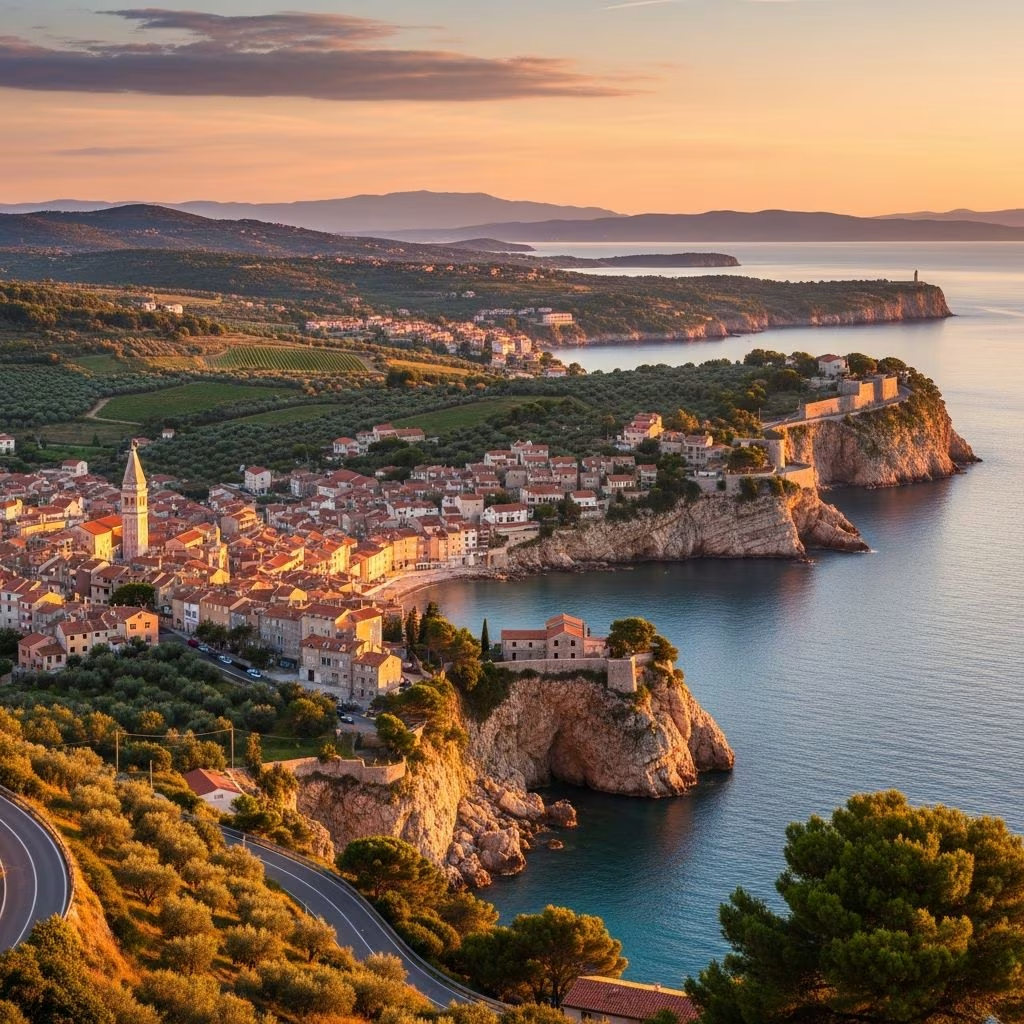
Istria’s 500-plus kilometers of shoreline boast some of Europe’s most photogenic towns. Rovinj stands out as a crown jewel, with its colorful Venetian-style houses climbing a hillside toward a baroque church tower overlooking the sea. Wander narrow cobblestone lanes, browse artisan shops, and savor sunset views from waterfront cafes. Nearby, Pula anchors the south with its monumental Roman amphitheater, one of the world’s best-preserved ancient arenas, hosting summer concerts amid 2,000-year-old stone.
Beyond the main hubs, seek secluded spots like Cape Kamenjak, a protected nature reserve at the peninsula’s southern tip. This 30-kilometer stretch features cliff-fringed beaches, sea caves for snorkeling, and trails for cliff diving or boat rentals. Pebble shores give way to crystal-clear waters perfect for windsurfing, sailing, or picnics amid wild sage and lavender fields.
Venture into Istria’s interior for a tapestry of medieval hilltop settlements perched on limestone ridges. Grožnjan, an artists’ haven, transforms from a quiet winter village of vine-draped stone houses into a summer symphony of galleries, live music, and workshops. Nearby Oprtalj hosts truffle festivals, while Motovun crowns a hill with Renaissance walls and panoramic views.
These villages reveal Istria’s layered history—Roman, Venetian, and Austro-Hungarian influences etched into architecture and traditions. Hike or drive winding roads through ‘valleys of folded earth,’ where ancient forests meet terraced fields. Momjan’s Kozlović winery exemplifies the region’s viniculture, producing honeyed Muscat wines from indigenous grapes.
| Village | Key Attraction | Best Time to Visit |
|---|---|---|
| Grožnjan | Artist studios, jazz festival | Summer |
| Motovun | Truffle fairs, film festival | Autumn |
| Oprtalj | Black truffle hunts, medieval core | Winter |
Istria earns its reputation as a foodie haven, rivaling Italy’s Tuscany for gourmet prowess. White and black truffles, foraged in Motovun’s oak forests, star in dishes like pasta with shaved fungi or truffle-infused olive oil. The peninsula produces extra-virgin olive oils from centuries-old groves, often paired with fresh goat cheese and prosciutto.
Over 200 wineries cultivate Malvazija and Teran varietals in the red soils of the ‘Terra Rossa.’ Tour family estates for tastings amid vineyards, learning about sustainable practices. Seafood shines coastally—grilled fish, black risotto from cuttlefish ink—sourced daily from Adriatic waters. Inland, farm-to-table konobas (taverns) serve fuži pasta with wild game or asparagus in spring.
Participate in seasonal hunts: truffle foraging with trained dogs in autumn, olive harvests in October. Festivals like Zigante Truffle Days in Buzet celebrate these delicacies with markets and chef demos.
Istria’s protected areas showcase unspoiled biodiversity. Brijuni National Park, an archipelago off Fažana, spans 14 islands with Roman ruins, dinosaur footprints, and free-roaming exotic animals like zebras and deer—remnants of Tito’s private retreat. Bike or join guided tours through olive groves dating back 1,300 years.
Učka Nature Park in the west offers dramatic hikes, including the Vela Draga canyon trail amid karst limestone spires sculpted by waterfalls. Summit Vojak peak for views into three countries. Closer to Pula, RTV Kamenjak reserve provides off-road adventures and pristine beaches.
Layered civilizations shape Istria’s identity. Pula’s Roman forum, temples, and triumphal arch evoke imperial glory. Venetian lions guard Rovinj’s harbors, while Austro-Hungarian villas dot the landscape. Festivals pulse year-round: Pula Film Festival in summer, Motovun’s indie cinema event, Grožnjan’s jazz under stars.
Art thrives in Hum, the world’s smallest town (population 20), famed for glagolitic script—Slavic’s oldest alphabet. Contemporary scenes flourish in Pula’s street art and design weeks.
Istria’s size (about 3,500 sq km) makes it navigable by car rental from Pula or Trieste airports. Base in Rovinj for romance, Pula for history, or Motovun for immersion. Shoulder seasons (spring/fall) offer mild weather, fewer crowds, lower prices. Expect €100-200/night for boutique stays, with agritourism farms providing authentic lodging and meals.
Public buses connect towns, but bikes or e-scooters enhance rural exploration. Ferries link to Brijuni; book ahead. Cuisine budgets: €30-50/person for multi-course meals.
4-7 days suffice for highlights; 10+ for deep dives into food and nature.
White truffles: September-November; black: year-round, peaking December-February.
Yes—beaches, parks, easy trails, and interactive sites like Brijuni safaris delight all ages.
Abundant: truffle pastas, olive oil veggies, cheese platters, wild greens.
Buses, bikes, ferries work; tours from Pula/Rovinj cover inland spots.
This peninsula masterfully balances accessibility with authenticity. Its multicultural soul, nurtured by sea trade and empires, yields a welcoming vibe. Sustainable tourism thrives—protected lands ensure enduring beauty. Whether chasing flavors, history, or serenity, Istria delivers profound, repeatable journeys.
