


 Food & Culture
Food & Culture
Italian Coffee Culture: Etiquette, Rituals & Espresso Traditions
Discover how Italians drink coffee through rituals, regional variations, and time-honored traditions that define daily life.
 Food & Culture
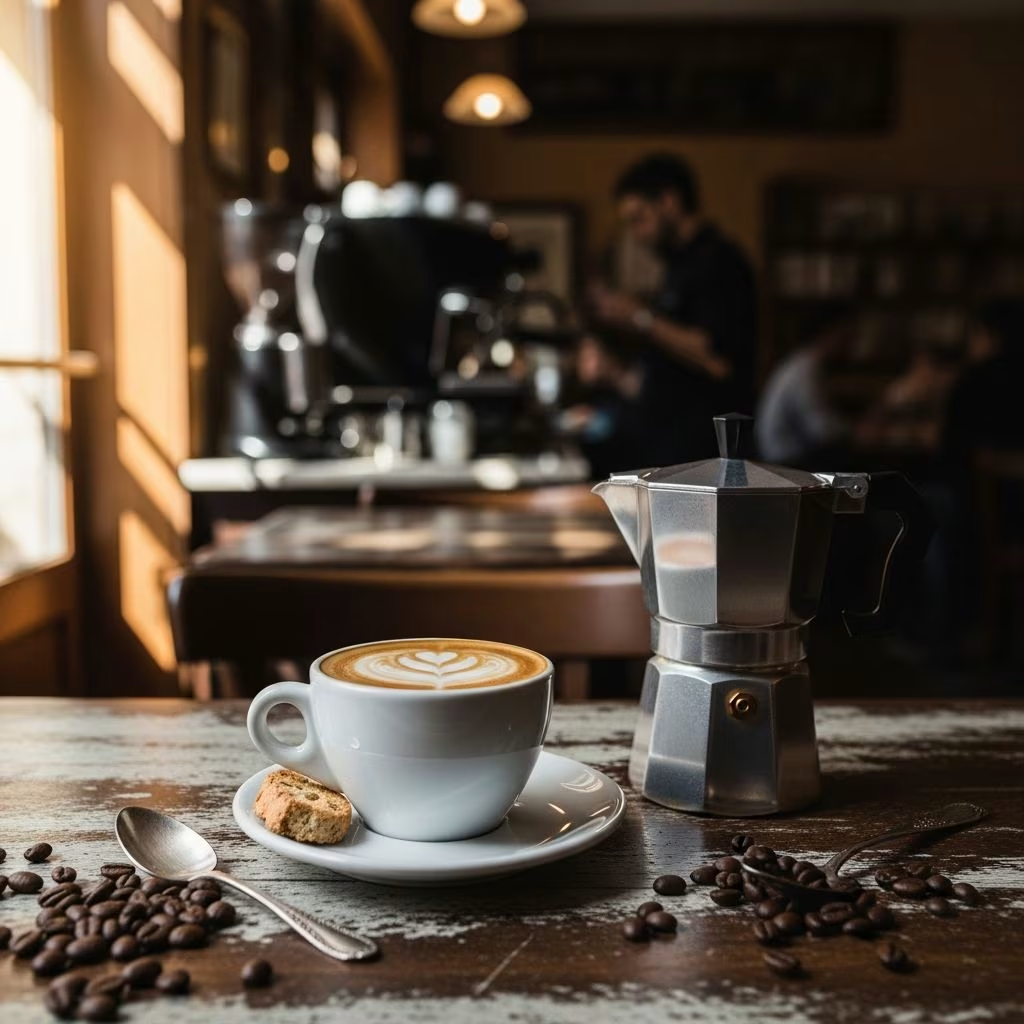
Coffee in Italy transcends being merely a beverage—it represents a cornerstone of daily social life and cultural identity. Introduced to Italy during the 1500s, coffee has evolved into an intricate system of rituals, preferences, and unwritten social codes that define how millions of Italians structure their days. Understanding these traditions offers invaluable insight into Italian lifestyle and provides visitors with the knowledge to participate authentically in one of Europe’s most cherished cultural practices.
The Daily Coffee Rhythm in Italian Life
The Italian relationship with coffee operates according to a precise temporal structure that reflects broader beliefs about digestion, social interaction, and daily momentum. Rather than viewing coffee as a constant companion throughout the day, Italians approach it as a series of distinct moments, each with its own purpose and appropriate beverage selection.
The morning ritual begins immediately after waking, where Italians combine breakfast pastries with milky coffee drinks. This dawn consumption serves as both nourishment and energization, preparing the body for the workday ahead. As the day progresses, Italians transition to black espresso or lightly modified versions, consuming these concentrated shots during mid-morning breaks or afternoon slumps. The evening brings another shift, where coffee transforms from a caffeination tool into a post-meal digestif, consumed in small quantities after dining.
This structured approach stems from deeply held Italian convictions about how different foods and beverages interact with the digestive system. The principle that milk consumed during afternoon or evening hours can interfere with digestion remains widespread throughout Italy, influencing coffee choices across all age groups and regions.
Morning Coffee Varieties: Beginning the Day Right
Breakfast coffee in Italy looks markedly different from the concentrated espresso consumed later. These morning beverages balance strength with creaminess, creating drinks that complement pastries while providing gentle caffeine introduction to the system.
| Beverage | Composition | Characteristics |
|---|---|---|
| Cappuccino | Equal parts espresso, steamed milk, and milk foam | Creamy texture, smooth flavor, perfect with pastries |
| Caffè Latte | Espresso with predominant steamed milk, minimal foam | Gentler than cappuccino, warmer milk presence |
| Latte Macchiato | Steamed milk marked with espresso splash | Milk-forward drink, espresso accent rather than foundation |
These drinks embody a philosophy that morning coffee should complement food rather than dominate the palate. The generous milk content serves multiple purposes: it softens the espresso’s intensity, provides nutritional value during the morning meal, and creates a comforting ritual that eases transition from sleep to activity.
Ordering these beverages at an Italian bar requires understanding local conventions. Request a cappuccino specifically if you want the balanced three-part composition, as baristas maintain precise ratios that distinguish between cappuccino, latte, and other variations. Attempting to customize these drinks beyond regional norms often marks visitors as outsiders, though skilled baristas generally accommodate requests with grace.
Afternoon and Evening Coffee Evolution
Once morning transitions to midday, Italian coffee consumption shifts dramatically. The milky drinks disappear, replaced by concentrated espresso in various forms. This transition reflects both caffeine needs and digestive considerations—by afternoon, Italians have moved past breakfast and toward consumption patterns that won’t interfere with subsequent meals.
Caffè normale (regular espresso) becomes the standard offering. This small but mighty drink arrives in a diminutive cup, typically consumed in 3-4 deliberate sips rather than gulped rapidly. The espresso’s intensity requires this measured approach; attempting to consume it quickly overwhelms the palate and prevents appreciation of subtle flavor dimensions.
Caffè macchiato provides a gentler alternative for those seeking milk without returning to full breakfast-style drinks. This beverage features espresso “marked” with merely a splash of frothy milk—enough to soften edges without creating the substantial cream content of morning cappuccinos. The macchiato’s minimal milk content allows it to be consumed throughout the afternoon and early evening without digestive concerns.
Caffè corretto emerges as another afternoon option, particularly in certain regions. This “corrected coffee” includes a small pour of grappa, sambuca, or other spirits. The alcohol combines with espresso to create a warming, complex experience, often consumed more as social ritual than pure caffeine source.
Regional Variations and Local Pride
Italy’s strong regional identities extend to coffee consumption, with different areas maintaining distinct preferences and preparation methods. These variations reflect local history, available ingredients, and cultural traditions that residents maintain with considerable pride.
- Naples: Known for particularly intense espresso consumption and specialized preparation methods. Neapolitan coffee culture includes the concept of caffè sospeso (suspended coffee), where individuals purchase additional coffees for strangers in financial need—a tradition embodying social solidarity.
- Venice: Maintains unique coffee houses with centuries-old traditions, where coffee preparation follows specific historical protocols passed through generations of baristas.
- Sicily: Often incorporates local flavors and syrups into coffee preparations, reflecting the island’s distinct culinary traditions and historical influences.
- Northern Italy: Tends toward slightly lighter roasts and may incorporate coffee into desserts and other food preparations more extensively than southern regions.
The Ritual of Espresso Preparation and Consumption
Proper espresso enjoyment involves multiple sequential steps, each contributing to the complete experience. Understanding and practicing these techniques elevates coffee consumption from mere caffeination to genuine cultural participation.
The process begins before the barista even begins preparation. Selecting an appropriate café—one employing skilled baristas and using high-quality beans roasted traditionally—establishes the foundation. Quality espresso machines, properly maintained and operated by knowledgeable professionals, produce the concentrated, aromatic shots that distinguish Italian coffee culture from casual consumption elsewhere.
Upon receiving the espresso, a crucial initial step involves appreciating the aroma. Before tasting, hold the cup to your nose and breathe deeply, allowing olfactory senses to prepare for the flavor experience. This moment transforms coffee consumption from automatic habit into deliberate sensory engagement.
The presence of crema—the rich, creamy layer atop quality espresso—indicates proper preparation. This visual marker signals that the espresso has been extracted correctly, with optimal water temperature, pressure, and timing combining to create the ideal result. Quality crema contains essential oils and flavors that contribute significantly to the overall experience.
Before drinking, gently stir the espresso from bottom to top using the provided spoon. This mixing action serves practical purposes: it blends the denser bottom layer with the lighter crema, ensuring each sip contains consistent flavor and texture. Every subsequent taste benefits from this preliminary stirring, delivering the perfection inherent in properly prepared espresso.
Temperature, Water, and Sensory Preparation
Italian coffee consumption involves environmental factors that many casual consumers overlook. Temperature management plays particular importance—espresso arrives at near-boiling heat in a preheated cup, maximizing flavor extraction and maintaining optimal temperature throughout consumption.
The complimentary water glass accompanying espresso service serves multiple functions. In some traditions, particularly in Naples, drinkers consume cold water before or alongside the hot coffee. This temperature contrast stimulates the palate, heightens sensory awareness, and prepares the mouth for the coffee’s intensity. The water also aids digestion and prevents the intense caffeine from creating stomach discomfort.
Timing matters significantly; espresso should be consumed promptly after preparation while crema remains intact and aromas remain most vibrant. Allowing espresso to cool diminishes the experience, as flavors become less pronounced and the volatile compounds that create distinctive aromatic qualities dissipate into the surrounding air.
Speed Versus Savoring: The Consumption Balance
A common misconception suggests Italians rapidly consume espresso while standing at café bars. While the social ritual does occur quickly—often completed in minutes rather than hours—the actual drinking process emphasizes quality over rush. The small cup size and potent concentration mean that Italians can consume their coffee quickly without gulping or ignoring taste.
Completing an espresso in 3-4 deliberate sips allows full appreciation of flavor dimensions while maintaining the efficiency that characterizes Italian café culture. This approach differs fundamentally from casually sipping a larger cup over extended periods. Each sip receives conscious attention, with the drinker pausing between sips to appreciate aftertaste and anticipate subsequent flavor notes.
This balance reflects broader Italian cultural values—simultaneous efficiency and appreciation, quick consumption paired with intentional experience. The café becomes a social anchor point where conversations happen quickly but meaningfully, where strangers exchange nods of acknowledgment, where daily rhythms synchronize among community members.
Café Etiquette and Social Conventions
Participating authentically in Italian coffee culture requires understanding behavioral expectations that locals navigate instinctively. These unwritten rules shape interactions and contribute to the social harmony characterizing Italian bars.
- Ordering sequence: Approach the counter with clear beverage selection ready. Italian baristas work with remarkable efficiency, often serving multiple customers simultaneously. Hesitating over choices slows the system and disrupts established flow.
- Payment timing: Depending on the establishment, you may pay before or after receiving your drink. Observe what others do, or ask staff directly—this represents a practical rather than social concern.
- Consumption location: Many Italians enjoy coffee at the counter standing up, a practice reflected in lower prices than seated consumption. Standing at the bar represents the authentic, economical choice.
- Timing appropriateness: Requesting cappuccino after breakfast hours marks you as unfamiliar with Italian conventions. Baristas will serve it, but locals note the cultural misstep. Stick to appropriate beverages for the time of day.
- To-go culture resistance: Walking the streets with coffee cup in hand remains uncommon in Italy. Coffee consumption happens within establishments, making it a social rather than solitary activity.
Flavor Appreciation and Sensory Development
Italian coffee culture emphasizes developing palate sophistication and learning to distinguish quality variations. Understanding flavor development enriches the experience considerably.
A quality espresso displays complexity that becomes apparent through attentive consumption. Initial sips might reveal bold, perhaps bitter notes, but subsequent sips often uncover subtle sweetness, fruity undertones, or chocolate dimensions. This flavor evolution continues until the final sips, where lingering aftertaste completes the experience.
The crema layer contributes essential flavor compounds that characterize the espresso. Skipping this creamy layer by stirring inadequately means missing crucial taste dimensions. Conversely, allowing crema to separate completely also diminishes the experience. The optimal stirring technique ensures integrated consumption of all components.
Different beans, roast levels, and regional preparation methods create variations that attentive drinkers appreciate. The slight bitterness of Neapolitan preparation contrasts with smoother northern Italian styles. Recognizing these differences and understanding their cultural origins deepens appreciation for coffee’s role in Italian identity.
Frequently Asked Questions
Can I order a double espresso in Italy?
While caffè doppio exists technically, ordering it marks you as unfamiliar with Italian conventions. Italians typically visit the bar multiple times rather than ordering double shots. If you require additional caffeine, returning to the counter remains the authentic approach.
Is it acceptable to modify espresso with additional ingredients?
Italian coffee traditions maintain strong preferences for specific beverages. While baristas can accommodate special requests, significant modifications diverge from cultural norms. Asking for extra shots, unusual milk preparations, or additions like flavored syrups indicates preference for non-Italian coffee culture.
Should I sit or stand when consuming coffee?
Standing at the counter represents the authentic, economical choice. Seated consumption costs more and suits social occasions rather than quick coffee breaks. However, both options remain acceptable depending on circumstance and preference.
What’s the appropriate tipping practice?
Tipping remains optional and minimal in Italy. Rounding up to the nearest euro or leaving small coins represents standard practice. Large tips aren’t expected and may create social awkwardness.
Can I request decaffeinated coffee?
Yes, caffè decaffeinato is available at most Italian establishments. However, many Italians consider it culturally unusual, as coffee’s caffeine content represents integral to the experience. That said, baristas accommodate this request without judgment.
Integrating Italian Coffee Culture into Your Experience
Whether traveling to Italy or incorporating Italian coffee traditions into daily life elsewhere, approaching coffee with intention elevates the experience significantly. Begin by selecting quality beans roasted using traditional methods. If visiting Italy, prioritize establishments where baristas possess genuine expertise and passion rather than merely processing transactions.
Practice consuming espresso attentively, applying the preparation techniques described above. Allow your palate to develop sophistication through repeated experience. Notice how different preparations create varying flavor profiles, and appreciate the craftsmanship behind each cup.
Understand that participating in Italian coffee culture means respecting established conventions while recognizing their cultural logic. Restrictions on cappuccino timing or preferences for specific beverages reflect genuine beliefs about health, digestion, and social harmony rather than arbitrary rules.
The coffee culture ultimately reveals broader Italian values: appreciation for quality despite small quantities, social connection through efficient time management, pride in regional traditions, and integration of daily rituals into community life. By embracing these principles, anyone can experience coffee as Italians do—not as incidental consumption but as meaningful cultural participation.
References
- A Guide to Italian Coffee Culture — Eataly. n.d. https://www.eataly.com/us_en/magazine/culture-and-tradition/italian-coffee-culture
- Drinking Espresso the Italian Way: Tradition, Rules & Etiquette — Carluccio’s. n.d. https://www.carluccios.com/blogs/advice-centre/drinking-espresso-the-italian-way
- Italian Coffee Culture: A Guide to Drinking Coffee in Italy — The Travel Bunny. n.d. https://thetravelbunny.com/italian-coffee-culture/
On This Page
The Daily Coffee Rhythm in Italian Life Morning Coffee Varieties: Beginning the Day Right Afternoon and Evening Coffee Evolution Regional Variations and Local Pride The Ritual of Espresso Preparation and Consumption Temperature, Water, and Sensory Preparation Speed Versus Savoring: The Consumption Balance Café Etiquette and Social Conventions Flavor Appreciation and Sensory Development Frequently Asked Questions Integrating Italian Coffee Culture into Your Experience← Previous
Japan Nature Guide: Mountains, Lakes, Forests & Wildlife
Next →
Best Parks in Athens: Top Green Spaces, Hills & Waterfront Retreats
Related Reading
More in Food & Culture
Food & Culture Food & Culture
 Food & Culture
Best Places to Eat in Rome: Neighborhood Dining Guide
 Food & Culture
 Food & Culture