


 Food & Culture
Food & Culture
Jaipur Food Guide: Best Street Food, Thalis, and Rajasthani Flavors
Explore Jaipur's rich culinary heritage through traditional Rajasthani dishes, street food adventures, and heritage restaurants that showcase the region's diverse food culture.
 Food & Culture
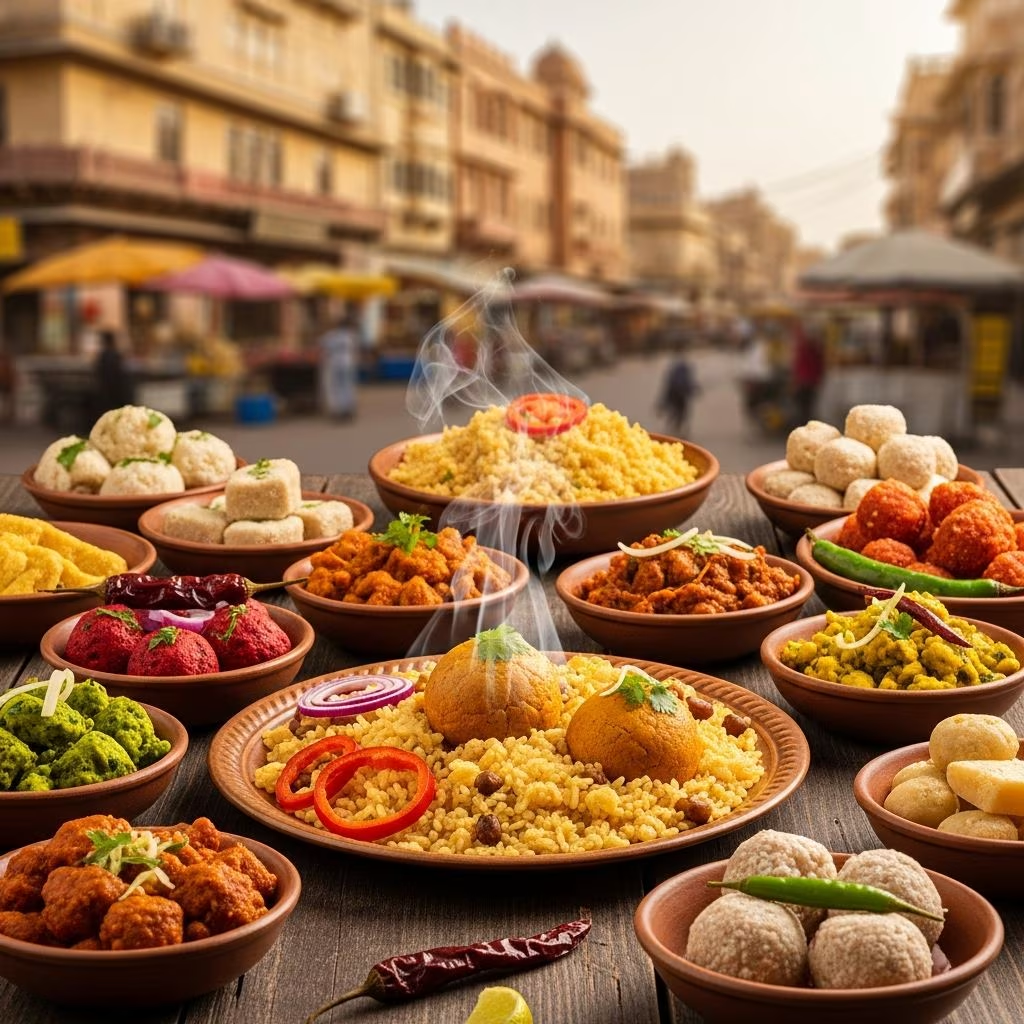
Jaipur, India’s iconic Pink City, is far more than architectural marvels and historical monuments. The city pulses with a dynamic food scene that reflects centuries of cultural influences, royal patronage, and regional traditions. For travelers seeking to understand a destination through its cuisine, Jaipur offers an unparalleled gastronomic experience that connects food directly to history, geography, and community. From bustling street corners to family-run establishments, the city’s culinary landscape tells stories of Rajasthan’s desert heritage, Mughal influences, and agricultural traditions.
The Essence of Rajasthani Culinary Heritage
Rajasthani cuisine represents a unique adaptation to one of India’s most challenging environments. The state’s harsh desert climate historically limited fresh produce availability, leading cooks to develop innovative preservation and cooking techniques. This necessity birthed a cuisine rich in spices, ghee, and ingredients that could withstand storage. The food culture reflects the region’s warrior heritage, nomadic pastoralist traditions, and the opulence of princely courts that once ruled the state.
Jaipur’s food landscape serves as a living museum of these culinary traditions. Street vendors, established restaurants, and heritage dining establishments collectively preserve and celebrate Rajasthani gastronomic identity while adapting to modern tastes and dietary preferences. The city attracts food enthusiasts from across the globe who recognize that experiencing local cuisine provides insights impossible to gain from guidebooks alone.
Signature Dishes That Define Jaipur’s Food Scene
Several iconic preparations have become synonymous with Jaipur’s culinary identity. These dishes appear consistently across the city’s food establishments, from high-end restaurants to humble street stalls, each iteration carrying its own character and story.
The Complete Rajasthani Thali Experience
The Rajasthani thali represents the complete dining philosophy of the region. This elaborate plate meal combines multiple components, each serving a specific nutritional or flavor purpose. The thali typically features dhal, a protein-rich lentil preparation, alongside baati—a rustic, unleavened bread with a distinctive crust. What elevates the baati is its traditional preparation: the bread is softened with melted ghee, transforming it into a comfort food that historically sustained desert travelers and nomadic communities. Churma, another essential component, consists of crushed baati mixed with jaggery, nuts, and dried fruits, creating a sweet, energy-dense element that completes the savory elements of the meal.
Experiencing an authentic thali requires visiting establishments specializing in this traditional format. These restaurants maintain preparation methods passed down through generations, ensuring that visitors encounter genuine representations of Rajasthani family dining traditions rather than modernized reinterpretations.
Laal Maas: The Pride of Rajasthani Meat Cookery
Laal maas, or “red meat,” stands as Rajasthan’s most celebrated meat preparation. This dish features goat meat cooked in a rich curry infused with yogurt, tomatoes, and an intricate spice blend. The signature red color derives from Mathania chili peppers, a variety specific to the Rajasthan region, combined with tomato-based gravies. Restaurants throughout Jaipur offer varying interpretations of this dish, with spice levels adjustable to accommodate different palates. The complexity of laal maas lies not in single dominant flavors but in the layered intensity created by the spice combination and slow-cooking process that tenderizes meat while concentrating flavors.
Street Food Culture and Neighborhood Discoveries
Jaipur’s street food ecosystem provides some of the most authentic and accessible culinary experiences in the city. These establishments operate with minimal overhead, allowing them to focus on quality ingredients and time-honored recipes. Street food adventures offer opportunities to observe preparation methods firsthand and interact with vendors who often possess deep knowledge of their craft.
Kachori and Deep-Fried Delights
Kachoris represent one of Jaipur’s most iconic street foods, and certain establishments have built multi-generational reputations on this single preparation. These deep-fried pastries feature a crispy exterior contrasting with a flaky interior, their hollow structure filled with seasoned potatoes, onions, or lentils. The most accomplished versions achieve a delicate balance where the pastry shatters satisfyingly on the first bite without becoming overly greasy or heavy. Vendors use specific techniques for achieving this textural perfection, including precise oil temperature management and dough consistency.
Masala Chai: Morning Ritual and Social Connector
Masala chai in Jaipur transcends its function as a simple beverage, serving instead as a cultural anchor point. The city’s chai culture centers on specific locations where chai wallahs (tea vendors) have established themselves as neighborhood fixtures for decades. The preparation of quality masala chai requires balancing multiple elements: the tea leaves’ strength, the milk-to-water ratio, the spice selection, and the brewing duration. Jaipur’s chai vendors often guard their specific recipes closely, believing that their unique spice combinations and brewing techniques distinguish their offerings from competitors.
Lassi and Traditional Dairy Beverages
Lassi, a yogurt-based beverage, represents Jaipur’s commitment to dairy traditions. This cooling drink holds particular cultural significance as a morning beverage, with certain renowned lassi establishments operating since the mid-twentieth century. Traditional lassi preparation involves whisking yogurt with water until achieving a specific consistency, then adding subtle flavorings like cardamom, rose water, or fruit purees. The drink’s popularity in Jaipur’s morning food culture means that established lassi vendors often sell through their entire daily stock by early afternoon, requiring visitors to arrive early for authentic experiences.
Heritage Dining Establishments and Culinary Destinations
Beyond street food, Jaipur offers heritage restaurants that preserve Rajasthani culinary traditions within curated dining environments. These establishments range from family-run operations in village settings to more formal restaurants in urban centers, each contributing to the city’s broader culinary narrative.
Village-Based Culinary Experiences
Some of Jaipur’s most remarkable dining experiences occur outside the immediate urban center. Establishments located in surrounding villages showcase how Rajasthani cuisine evolved in agricultural communities and continues to reflect local ingredient availability. These venues often prepare meals using traditional cooking methods, including open-flame preparation and clay ovens. Visitors traveling to these locations experience not only distinctive food but also insights into rural Rajasthani life and agricultural practices that inform the cuisine.
Urban Heritage Restaurants
Jaipur’s established restaurants dedicated to Rajasthani cuisine serve as culinary historians, preserving traditional recipes and preparation methods while accommodating contemporary dining preferences. These establishments typically employ cooks trained in classical Rajasthani techniques, many possessing family histories in culinary traditions. Menu offerings often include lesser-known regional dishes alongside popular favorites, providing comprehensive introductions to the cuisine’s breadth and depth.
Guided Food Tours: Structured Culinary Exploration
For visitors seeking organized approaches to Jaipur’s food scene, guided food tours offer structured pathways through the city’s culinary landscape. These tours typically combine historical context with hands-on tasting experiences, creating educational components alongside gastronomic exploration.
What to Expect from Food Tours
- Multiple tasting stops at carefully selected vendors and restaurants
- Historical and cultural information about specific dishes and preparation methods
- Opportunities to observe food preparation firsthand
- Introduction to neighborhood histories and local food traditions
- Guidance to hygiene standards and food safety practices
- Flexible spice level accommodation for varying heat tolerances
- Interactions with food vendors and opportunities to ask questions
Choosing the Right Tour Experience
Jaipur offers various food tour formats catering to different travel styles and time constraints. Evening tours often emphasize street food and neighborhood exploration, while longer excursions may include visits to village establishments or combination tours incorporating cultural sites with culinary experiences. Tour quality depends significantly on guide expertise and knowledge, making research into guide credentials and traveler reviews valuable.
Seasonal and Ceremonial Food Traditions
Jaipur’s culinary calendar reflects seasonal ingredient availability and cultural celebrations throughout the year. Understanding these temporal dimensions provides deeper appreciation for how food connects to Rajasthani life beyond tourist seasons.
Festival Foods and Celebration Cuisine
Specific dishes achieve cultural prominence during particular festivals and celebrations. These ceremonial foods often employ ingredients or preparation methods holding spiritual or historical significance. Festival seasons offer opportunities to encounter dishes rarely prepared outside celebration contexts, providing glimpses into the complete spectrum of Rajasthani culinary traditions.
Agricultural Seasons and Menu Evolution
Restaurants and vendors subtly adjust offerings based on seasonal ingredient availability. Understanding these seasonal variations enhances appreciation for how Rajasthani cuisine evolved in response to environmental constraints and agricultural cycles that continue influencing contemporary food culture.
Accommodation Dining and Culinary Integration
Many Jaipur hotels and guesthouses incorporate Rajasthani cuisine into their dining offerings, ranging from casual breakfast services to elaborate dinner experiences. These accommodation-based dining options provide accessible introductions to regional cuisine, particularly for travelers with dietary restrictions or schedule constraints limiting engagement with street food.
Practical Guidance for Food-Focused Exploration
Best Times for Food Adventures
Early mornings offer optimal conditions for experiencing street food culture, particularly for items like kachori and lassi that peak in availability and freshness. Late afternoons provide opportunities for lighter snacks and tea service, while evenings showcase the full breadth of street food vendors establishing their operations.
Hygiene Considerations and Food Safety
Established vendors and restaurants with long operational histories typically maintain high hygiene standards essential for safe food consumption. Choosing busy vendors with high customer turnover generally indicates fresh ingredients and proper food handling. Tourist-focused food tours vet vendor locations specifically for cleanliness and food safety standards.
Budget Planning
Jaipur’s street food offerings range from extremely affordable options costing less than a dollar to guided tours and heritage restaurants representing moderate to premium price points. Structured food tours typically range from $15–$40 per person, while fine dining establishments serve high-end Rajasthani cuisine at correspondingly elevated prices.
Frequently Asked Questions
What makes Rajasthani cuisine distinctive compared to other Indian regional cuisines?
Rajasthani cuisine evolved in desert environments with limited water and fresh produce availability, resulting in techniques emphasizing preservation, ghee-heavy preparations, and spice intensity. This contrasts with water-rich regions featuring fresher ingredients and lighter cooking methods. The cuisine also reflects Rajasthan’s warrior traditions and princely court legacies more prominently than many other Indian regions.
Are vegetarian options readily available in Jaipur’s food scene?
Yes, Jaipur offers abundant vegetarian options reflecting both regional traditions and India’s broader vegetarian culture. Many establishments serve exclusively vegetarian preparations, while others offer comprehensive vegetarian sections alongside meat dishes. Communicating dietary preferences clearly with vendors or restaurants ensures appropriate meal recommendations.
Can visitors with dietary restrictions accommodate food tour participation?
Most organized food tours accommodate dietary restrictions when notified in advance, allowing guides to adjust stops and selections. Communicating specific requirements during tour booking ensures guides can create modified experiences without compromising the overall exploration quality.
How do spice levels in traditional Rajasthani dishes compare to other Indian cuisines?
Rajasthani cuisine generally features moderate to high spice intensity, though this varies significantly by specific dish and preparation. Many establishments adjust spice levels upon request, and guides on food tours specifically facilitate these conversations with vendors.
What is the best duration for food-focused exploration in Jaipur?
Two to three days allow comprehensive engagement with both street food and heritage dining establishments. Longer stays enable visits to village-based culinary experiences and repeated visits to favorite locations, deepening familiarity with specific vendors and restaurants.
References
- Jaipur: History Street Food Tour with Local Guide — GetYourGuide. 2026. https://www.getyourguide.com/jaipur-l1149/jaipur-history-street-food-tour-with-local-guide-t219894/
- A Foodie’s Guide to Jaipur — The Foodie Diaries. 2018-02-27. https://thefoodiediaries.co/2018/02/27/jaipur-food-guide/
- Copy My Trip: a culture and food tour of Jaipur — Lonely Planet. 2026. https://www.lonelyplanet.com/articles/food-road-trips-jaipur
- Food Tour and Eat like Locals – Jaipur — TripAdvisor. 2026. https://www.tripadvisor.com/AttractionProductReview-g304555-d17809156-Food_Tour_and_Eat_like_Locals-Jaipur_Jaipur_District_Rajasthan.html
- THE TOP 10 Jaipur Food Tours To Try in 2026 — Viator. 2026. https://www.viator.com/Jaipur-tours/Food-Tours/d4627-g6-c80
On This Page
The Essence of Rajasthani Culinary Heritage Signature Dishes That Define Jaipur's Food Scene Street Food Culture and Neighborhood Discoveries Heritage Dining Establishments and Culinary Destinations Guided Food Tours: Structured Culinary Exploration Seasonal and Ceremonial Food Traditions Accommodation Dining and Culinary Integration Practical Guidance for Food-Focused Exploration Frequently Asked Questions← Previous
Best EV Road Trips in the US: Scenic Routes, Charging Tips and Costs
Next →
Best Slovenia Road Trip Routes for Scenic Drives, Alps and Lakes
Related Reading
More in Food & Culture
Food & Culture Food & Culture
 Food & Culture
Best Places to Eat in Rome: Neighborhood Dining Guide
 Food & Culture
 Food & Culture