

 Travel Essentials
 Travel Essentials

Complete guide to Jaipur covering attractions, dining, shopping, accommodation, and practical travel tips for exploring Rajasthan's capital city.
 Travel Essentials
Jaipur stands as one of India’s most captivating destinations, earning its nickname ‘The Pink City’ through its distinctive architectural identity and cosmopolitan charm. Founded in 1727 by Maharaja Jai Singh II, this meticulously planned metropolis represents a harmonious blend of ancient Hindu design principles, Mughal aesthetics, and European influences. The city serves as a cornerstone of India’s famous Golden Triangle tourist circuit, connecting travelers to Delhi and Agra while offering its own remarkable attractions and cultural experiences.
Jaipur’s founding marked a turning point in Indian urban planning. Maharaja Jai Singh II relocated his capital from the nearby Amber region, approximately 11 kilometers away, to accommodate a burgeoning population and address water scarcity challenges. Under the guidance of urban planner Vidyadhar Bhattacharya, Jaipur emerged as India’s first systematically designed city, earning international recognition for its innovative grid-based layout and architectural coherence. This distinction places Jaipur among the world’s earliest examples of modern urban design, predating many European cities’ modernization efforts.
The city’s architectural vocabulary reflects its cosmopolitan aspirations. Beyond Hindu design traditions, Jaipur incorporates substantial Mughal influences, visible in courtyards, archways, and decorative elements throughout the metropolis. This synthesis created a unique aesthetic that captivates visitors and photographers worldwide.
Jaipur sprawls across the plains of Rajasthan, nestled within the foothills of the Aravalli mountain range, which frames the city with natural grandeur. The geographic positioning influences local climate patterns significantly. The city experiences a hot, semi-arid climate characterized by intense summers and moderate winters. Monsoon rains arrive during July and August, transforming the landscape temporarily. Visitors planning trips should consider these climatic patterns when scheduling activities and packing appropriate clothing.
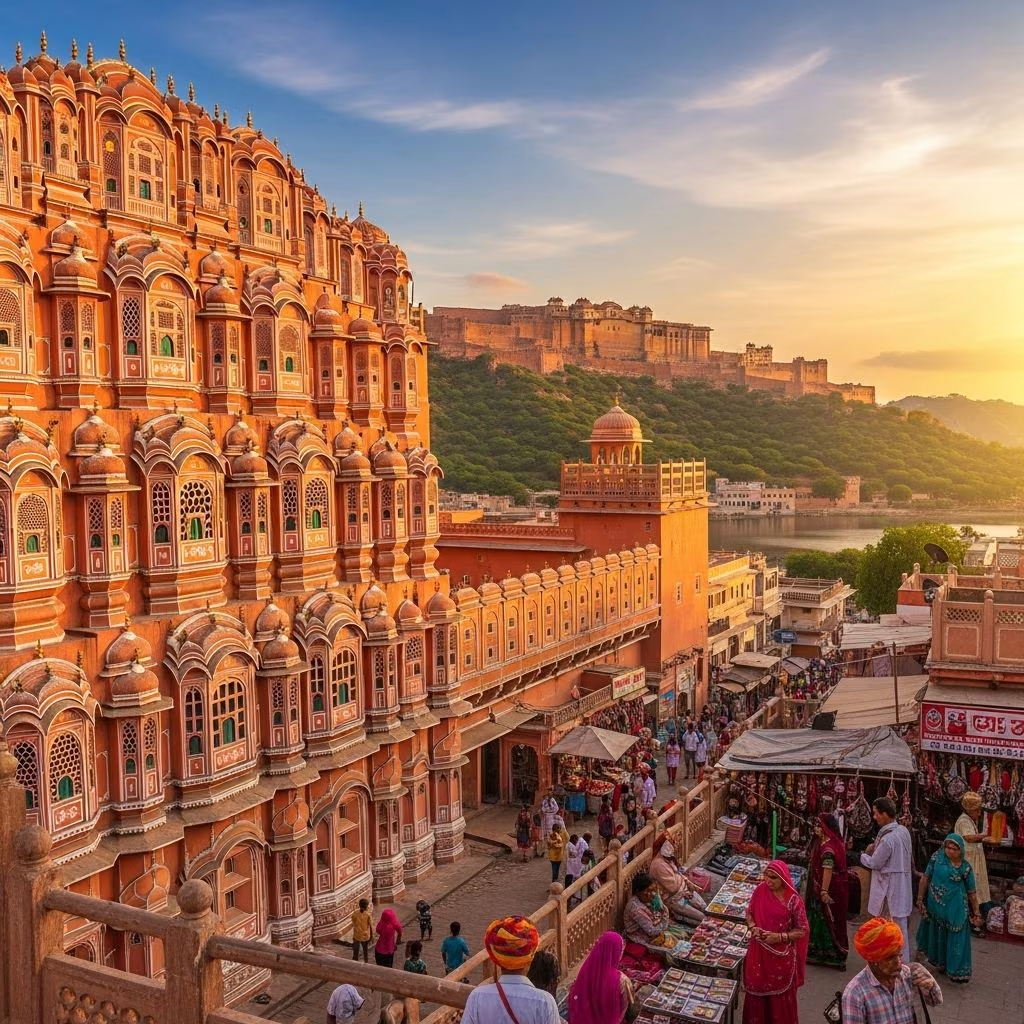
The Hawa Mahal, translating to ‘Palace of Winds,’ represents Jaipur’s most recognizable monument and appears on countless travel guides and postcards. This distinctive beehive-structured building features an intricate latticed facade with 953 miniature windows arranged in ascending rows. The architecture served a practical purpose beyond aesthetics: royal ladies could observe city life while remaining unseen from the streets, and the extensive window network facilitated natural ventilation—essential during Jaipur’s scorching summers. The building’s salmon-pink exterior epitomizes the city’s color scheme and architectural character.
The City Palace complex offers an unparalleled opportunity to experience Jaipur’s royal history. Unlike many converted historical sites, portions of the City Palace remain the private residence of the royal family, creating a unique dynamic between tourism and active habitation. The complex encompasses multiple courtyards, museums, and exhibition galleries that together illustrate the synthesis of Rajasthani, Mughal, and European design philosophies. Visitors can explore royal apartments, ceremonial spaces, and artifact collections that chronicle centuries of princely rule. Admission for international adult visitors begins at ₹1,010 for daytime access to courtyards and galleries, with evening viewing available at ₹610 that includes an atmospheric light show illuminating the palace’s architectural details.
Perched approximately 15 kilometers from central Jaipur, Amber Fort (also spelled Amer) showcases Rajasthan’s most impressive fortification. The fort’s terraced architecture clings dramatically to hillside terrain, offering commanding views across the surrounding landscape. The structure encapsulates the opulence and strategic vision of historical Maharajas through its royal apartments, intricate passageways, and ornamental courtyards. Visiting early in the day proves advantageous, allowing travelers to navigate the fort’s expanse before afternoon heat intensifies and crowds accumulate. The fort represents a pinnacle of Rajasthani military and residential architecture, with each section revealing different periods of construction and renovation.
Jal Mahal, the Water Palace, presents a distinctive attraction situated within an artificial lake. Photographed best during sunrise or sunset hours, the palace appears to float on water, creating a dreamlike aesthetic. Early morning visits reward visitors with serene atmospheric conditions and opportunities for remarkable photography before the city awakens.
Jaipur’s bazaars pulsate with commercial energy and cultural authenticity. Bapu Bazaar and Johri Bazaar represent the city’s most vibrant commercial zones, specializing in traditional crafts, textiles, precious gems, and jewelry. These markets operate within the old city’s labyrinthine streets, requiring patience and navigation skills but rewarding explorers with authentic local commerce and cultural immersion. The bazaars reflect Jaipur’s historical reputation for gemstone trading and skilled artisanship.
Nila House represents a contemporary approach to cultural preservation, operating as both educational center and retail space dedicated to showcasing India’s textile traditions. Visitors can participate in demonstrations of dyeing and weaving techniques while accessing a small textile library. The establishment celebrates traditional craft knowledge while supporting local artisans through commercial activity.
Jaipur’s food scene spans from street-food vendors preparing quick meals to established restaurants offering refined Indian cuisine. Street food tours have gained popularity, combining cultural exploration with culinary adventure. Traditional Rajasthani dishes emphasize preserved and dried ingredients suited to the region’s semi-arid climate, creating distinctive flavor profiles uncommon elsewhere in India. Dining experiences range from casual roadside stalls to hotel restaurants offering evening entertainment with cultural performances.
Jaipur maintains excellent connectivity within India’s transport network. Located approximately four hours from Delhi via rail, the city is readily accessible for travelers exploring Northern India. The Shatabdi Express represents a popular train option, departing early and including complimentary breakfast service while maintaining limited stops for efficiency. This connectivity positions Jaipur as a logical addition to the Golden Triangle circuit encompassing Delhi, Agra, and Jaipur.
Given Jaipur’s sprawling geography with major attractions distributed across considerable distances, securing reliable local transportation becomes essential. Tuk-Tuks (petrol-powered auto-rickshaws) and Tam-Tams (electric auto-rickshaws) offer economical transportation, with daily rates approximately ₹500 for eight-hour rentals. Taxi services cost approximately ₹1,600 daily, providing more comfort and predictable pricing. These vehicles enable efficient exploration despite the city’s maze-like street layout, particularly crucial for first-time visitors unfamiliar with local geography.
Jaipur offers diverse lodging options catering to various budgets and preferences. The city encompasses both heritage properties occupying converted palaces and contemporary hotels incorporating modern amenities. Luxury accommodations often feature evening cultural performances and refined dining establishments. Mid-range properties provide comfortable environments with practical access to attractions. Budget options enable travelers with limited resources to experience the city’s highlights. The choice between old city and new city areas significantly affects the experience, with the older quarters offering greater cultural immersion while newer districts provide shopping centers, bars, and contemporary entertainment venues.
A three-day itinerary allows comprehensive exploration of Jaipur’s primary attractions while permitting flexibility for unexpected discoveries. This duration accommodates visits to major forts, palaces, bazaar exploration, and cultural experiences without feeling rushed. Travelers can adjust duration based on personal interests, with history enthusiasts potentially extending stays while others may accomplish essential sightseeing in briefer timeframes.
Climate significantly influences travel comfort. October through March represents ideal visiting periods, offering moderate temperatures and minimal precipitation. Summer months (April-June) produce oppressive heat making outdoor exploration challenging, while monsoon rains (July-August) create unpredictable conditions. Winter months provide pleasant weather for extended sightseeing and bazaar exploration.
Jaipur’s distinctive salmon-pink coloring stems from architectural traditions and city ordinances emphasizing this color throughout buildings and structures. The pervasive pink hue creates the city’s recognizable aesthetic and earned it the iconic nickname.
Three days allows adequate time for major attractions including Amber Fort, City Palace, Hawa Mahal, Jal Mahal, and bazaar exploration. Shorter visits focus on primary landmarks while extended stays enable deeper cultural immersion and surrounding regional exploration.
Jaipur’s planned city status differentiates it from other Rajasthani destinations. The grid-based layout, architectural coherence, and capital city status create different characteristics than other regional cities. Jaipur balances modern metropolitan infrastructure with traditional cultural preservation more substantially than neighboring communities.
The Golden Triangle combining Delhi, Agra, and Jaipur represents an efficient itinerary connecting three of India’s most significant destinations. Organized tours simplify logistics while providing context through professional guides, particularly beneficial for first-time India visitors.
Respectful dress when visiting religious sites, appropriate temple behavior, and photography permission requests demonstrate cultural consideration. Learning basic Hindi phrases and appreciating local customs enhances interactions with residents and enriches the travel experience.
Jaipur functions as a gateway to Rajasthan’s broader treasures. Day trips and extended excursions introduce travelers to mountain villages, additional historical sites, and rural cultural traditions complementing urban experiences. The city’s central geographic position enables exploration of diverse Rajasthani landscapes and communities.
Jaipur captivates visitors through its architectural distinction, cultural richness, and vibrant atmosphere. The city successfully bridges historical preservation with contemporary development, offering travelers authentic experiences alongside modern conveniences. From iconic monuments to thriving bazaars, from royal heritage to culinary traditions, Jaipur delivers multifaceted exploration opportunities. Whether incorporated into the Golden Triangle circuit or explored independently, the Pink City rewarding visitors with unforgettable encounters with India’s royal past and dynamic present.
