

 Travel Essentials
 Travel Essentials

Discover Jakarta's must-see sites like Monas, Kota Tua, and Istiqlal Mosque, plus local eats, transport hacks, and where to stay in this comprehensive beginner's guide.
 Travel Essentials
Jakarta, Indonesia’s dynamic capital, blends colonial history, modern skyscrapers, and vibrant street life into one of Southeast Asia’s most intriguing destinations. With over 10 million residents, this sprawling metropolis offers endless discoveries for newcomers, from iconic landmarks to hidden culinary gems.
Jakarta divides into five main administrative areas, each with unique vibes and attractions. Central Jakarta serves as the administrative core, housing government buildings and key symbols like the National Monument. West Jakarta features the bustling Chinatown district of Glodok, famous for markets and temples. South Jakarta caters to upscale shopping and expat nightlife in areas like Kemang. East Jakarta hosts industrial zones and cultural parks such as Taman Mini Indonesia Indah. North Jakarta preserves old harbor vibes around Sunda Kelapa and leads to coastal escapes like Ancol.
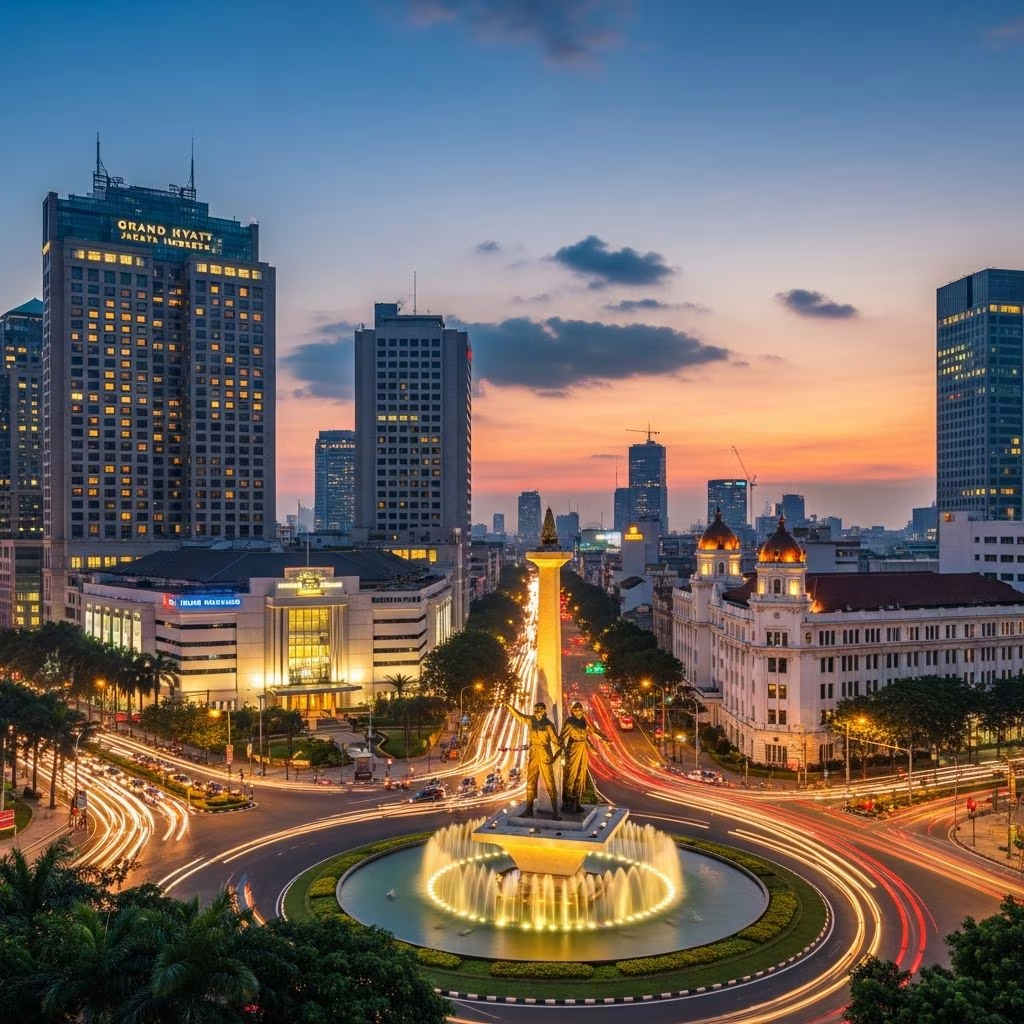
Start your exploration at the National Monument (Monas), a 132-meter tower topped with a gold flame, symbolizing independence from Dutch rule in 1945. Located in Merdeka Square, it offers panoramic views from its observation deck (tickets limited, book early). The surrounding park buzzes with performers, food stalls, and families on weekends.
Nearby, the Istiqlal Mosque stands as Southeast Asia’s largest, with space for 200,000 worshippers under its massive dome. Non-Muslims can tour if dressed modestly (long pants, headscarves provided). Adjacent Jakarta Cathedral highlights religious harmony.
In North Jakarta, Kota Tua (Old Town) captivates with Dutch colonial architecture around Fatahillah Square. Rent colorful bikes to pedal through lanes lined with museums: Jakarta History Museum in the 1627 Old Town Hall, Puppet Museum with Javanese wayang displays, and Bank Indonesia Museum. Street artists and food vendors add lively energy, especially Sundays.
| Landmark | Location | Highlight | Best Time |
|---|---|---|---|
| Monas | Central | Viewpoint, history exhibits | Weekends for events |
| Istiqlal Mosque | Central | Architecture, peace garden | Early morning |
| Kota Tua | North | Museums, square vibes | Sundays |
The National Museum in Central Jakarta boasts artifacts from Indonesia’s ethnic groups, including ancient statues and textiles. The National Gallery nearby showcases Indonesian and international art. For contemporary scenes, visit Museum MACAN in the west or RUCI Art Space south, plus street murals at Blok M.
Chinatown’s Glodok offers temple visits and the chaotic Petak Sembilan Market, overflowing with spices, fruits, and herbs. It’s a sensory dive into local commerce.
May to October brings drier weather, ideal for outdoor sites, though humidity persists. Avoid rainy season (November-April) for fewer floods. Weekends amplify energy at squares and markets. With Jakarta Biennale events slated for late 2026, art lovers should plan accordingly.
Jakarta’s traffic is legendary; opt for public options. The MRT (north-south line) and LRT (loop) are air-conditioned and efficient for central routes. TransJakarta buses cover extensive paths with dedicated lanes. Big Bus tours hit highlights: Historical (Kota Tua, mosques), Modern (Monas), Skyscraper (Sudirman).
GoJek/Grab apps provide cheap motorbike (ojek) or car rides; avoid unmetered taxis. Walking suits compact areas like Kota Tua. Halim Airport serves domestic flights; Soekarno-Hatta (CGK) is main international hub, reachable by rail in 50 minutes.
Central Jakarta suits sightseers near Monas (e.g., Thousand Islands Hotel). South for luxury like Ritz-Carlton Mega Kuningan. Budget backpackers head to Blok M or Kemang guesthouses. North near Kota Tua offers colonial charm. Expect IDR 300,000-2,000,000/night.
| Area | Style | Price Range (IDR/night) | Nearby Attractions |
|---|---|---|---|
| Central | Mid-range hotels | 500k-1m | Monas, museums |
| South | Luxury, expat | 1.5m+ | Malls, nightlife |
| North | Budget, historic | 300k-700k | Kota Tua |
Street food reigns: nasi goreng (fried rice), sate (skewers), gado-gado (salad). Kota Tua’s Fatahillah Square has kerak telor (spicy coconut pancakes). Glodok tempts with bakpao (buns) and dim sum. Try martabak (stuffed pancakes) citywide. Cafes like Café Batavia serve colonial vibes with kopi tubruk (strong coffee).
Markets offer fresh rujak (fruit salad). For malls, Grand Indonesia has food courts with Indonesian fusion. Drink es cendol (coconut jelly) to beat heat. Vegetarian options abound; halal food dominates.
Grand Indonesia Mall tops lists for luxury brands and aquarium. Tanah Abang is garment chaos for bargains. Mangga Dua sells electronics cheaply. Pasar Baru offers textiles. Glodok for gadgets and herbs.
Use rupiah (IDR); ATMs widespread, cards accepted in malls. Bargain at markets (start 50% off). Traffic safety: cross carefully, use apps. Petty theft occurs; secure belongings. Dress modestly at religious sites. English limited outside tourist spots; Google Translate helps. SIM cards at airports for data.
Air quality varies; mask up if polluted. Drink bottled water. Tipping optional (10% at restaurants).
From North Jakarta, boat to Thousand Islands for beaches. Taman Mini showcases Indonesia’s cultures. Ancol offers theme parks.
2-3 days covers essentials; add more for day trips.
Yes, with common sense; stick to busy areas, use rideshares.
Airport Railink to central in 50 min, cheap and reliable.
Nasi goreng or sate from street carts near landmarks.
Many nationalities get 30-day visa-free; check official rules.
