

 Travel Essentials
 Travel Essentials

Explore Japan's fight against overtourism: from Kyoto's entry fees to tech tools dispersing crowds to rural areas for sustainable travel.
 Travel Essentials
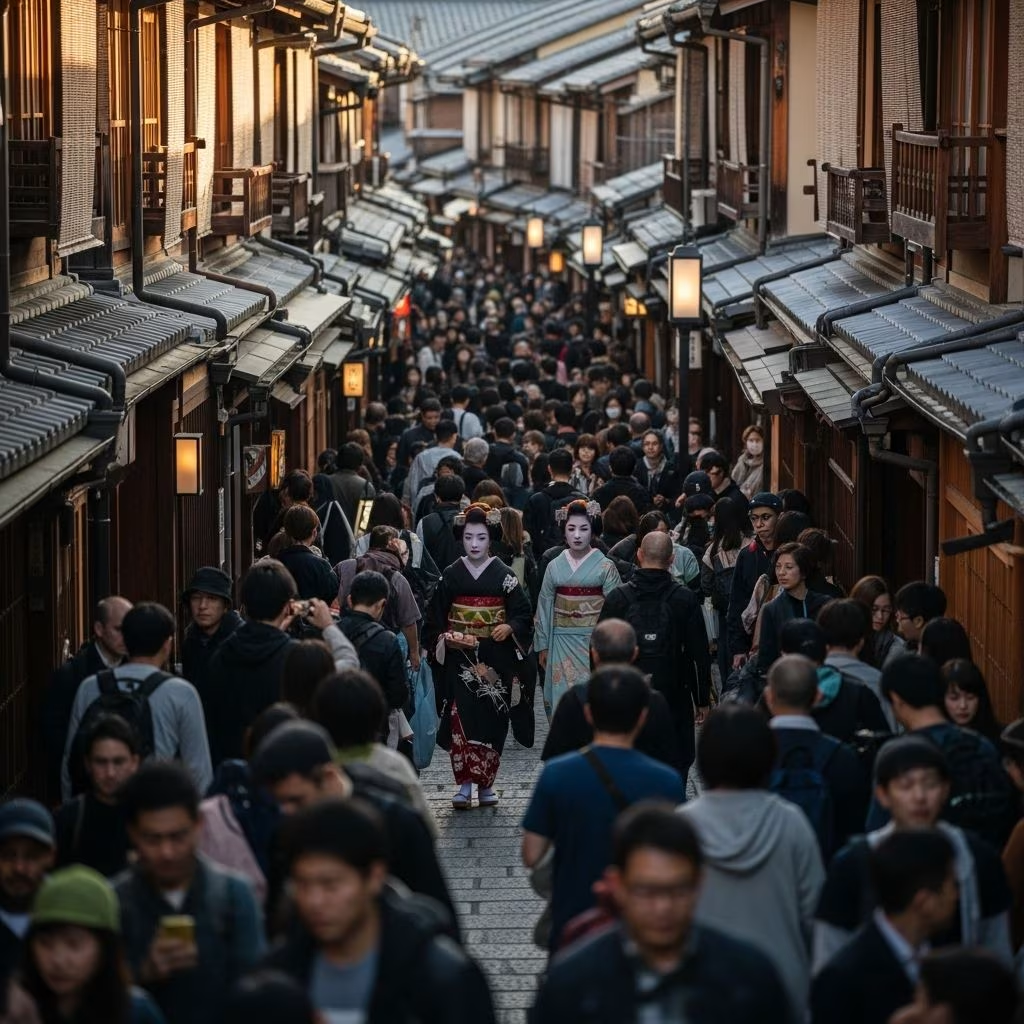
Japan’s tourism boom has turned iconic sites into battlegrounds of crowds, straining locals and diluting visitor joy. With record arrivals, cities like Kyoto and Tokyo implement strict caps, fees, and tech to redirect flows.
Post-pandemic, Japan welcomed over 40 million visitors in 2025, doubling pre-COVID peaks. Yet 73% of stays cluster in Tokyo, Osaka, Kyoto, Hokkaido, and Fukuoka, leaving 47 prefectures underserved. This imbalance fuels resident frustration: 60% report daily life disruptions from congestion in homes and workplaces.
In Kyoto, geisha chases in Gion sparked bans on street photography. Mount Fuji trails now require reservations and fees to curb litter and accidents. Himeji Castle proposes quadrupling foreign entry costs to fund upkeep and thin lines.
Residents face packed buses, skyrocketing rents, and vanishing local shops. Kyoto’s express buses skip tourist lugs, while Kamakura stations guards against photo-seeking crowds. A 2025 survey showed 63% of workers feel office-area crush hampers routines.
Japan’s FY2024 budget pumped ¥15.82 billion into anti-overtourism measures, 15% of tourism funds. The Japan Tourism Agency’s Sustainable Tourism Project aids local plans with data analysis and congestion apps. Kumamoto got ¥80 million to scatter visitors prefecture-wide.
Goals: Spread 60 million target arrivals by 2030 beyond gateways, using public-private ties.
AI signage flashes real-time crowd levels, nudging tourists to quieter spots. Digital platforms visualize hotspots, promoting detours. Kyoto’s visitor code urges etiquette via apps and signs; Tokyo bans street drinking in party zones.
| Tech Solution | Location | Impact |
|---|---|---|
| Real-time signage | Nationwide | Diverts 20-30% from peaks |
| Crowd apps | Kyoto, Osaka | Reduces wait times 15% |
| AI forecasting | Mt. Fuji trails | Cuts overuse by 25% |
Awaji Island pushes rural escapes: beaches, farms, and festivals sans mobs. Promoting ‘undertourism’ via rewards for off-peak, regional stays balances loads. InsideJapan Tours prioritizes supplier surveys naming overtourism second in sustainability.
Lesser spots gain: Kumamoto’s castles, Shikoku hikes, Tohoku onsen. Digital nomad visas (6 months) lure long-stayers to rural hubs, spending more locally.
Kyoto eyes two-tier bus fares: higher for non-residents. Mt. Fuji mandates ¥2,000 entry plus bookings. Himeji’s fee hike targets foreigners to preserve the site.
2024’s nomad visa counters urban crush by settling workers in under-visited areas. Tokyo hotels adapt with co-work spaces, but rural builds promise revenue sans day-trippers.
Tourists can help: Book ahead, shun peak seasons (cherry blossom, fall leaves), pick rural itineraries. Reward programs incentivize green choices. Pre-trip packs teach etiquette.
By 2030, dispersed tourism could add ¥50 trillion to GDP if balanced. Challenges persist: Airport hubs funnel crowds, language barriers linger. Yet funding, tech, and will signal progress.
Instagram fame, weak yen, and visa ease pack hotspots; 73% stays in five areas.
Yes: Mt. Fuji caps climbers; Kyoto temples require bookings.
Visit rural like Awaji, shoulder seasons, use apps for real-time data.
6-month stay for remote workers, boosting rural economies.
Likely: Kyoto buses, Himeji fees test higher non-resident rates.
