


 Food & Culture
Food & Culture
Japan Restaurant Guide: Best Foods, Etiquette & Dining Tips
Explore Japan's diverse restaurant types, iconic dishes, regional specialties, and practical dining etiquette to savor authentic flavors across Tokyo, Osaka, Kyoto and beyond.
 Food & Culture
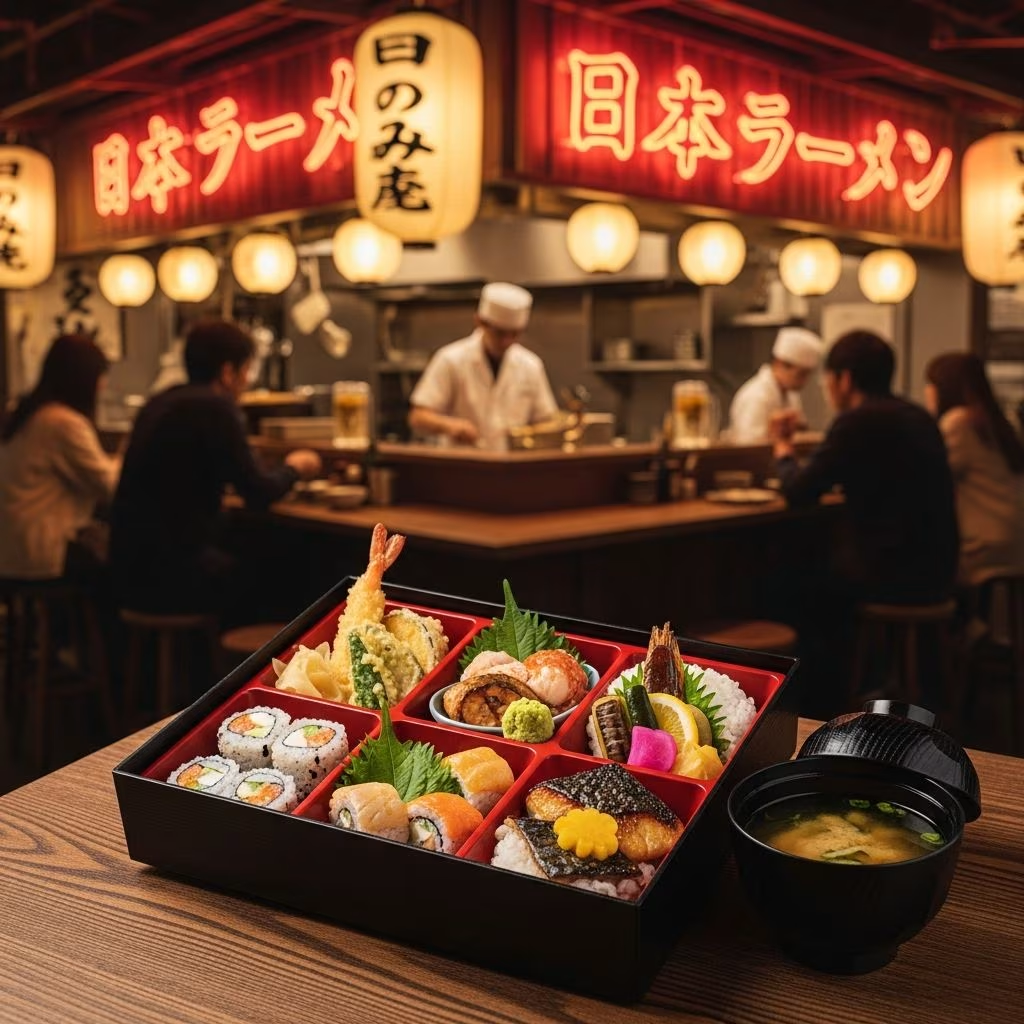
Japan’s culinary world captivates with its precision, variety, and deep-rooted traditions. From humble street stalls to Michelin-starred temples of gastronomy, the nation’s eateries offer experiences that blend flavor innovation with cultural immersion. This guide demystifies the restaurant landscape, highlighting key venues, signature dishes, and traveler essentials to ensure your meals become highlights of any trip.
Understanding Japan’s Restaurant Spectrum
Japanese dining defies a one-size-fits-all approach. Establishments specialize rigorously, often focusing on a single dish or style, reflecting a philosophy of mastery in simplicity. Casual spots like standing noodle bars contrast sharply with refined ryotei, where multi-course meals unfold in serene private rooms. This specialization stems from post-war economic booms, when vendors honed niche expertise to stand out in crowded markets.
Travelers encounter everything from automated vending machine orders at ramen joints to omakase counters where chefs dictate the menu. Budget options abound in conveyor-belt sushi chains, while high-end kaiseki demands reservations months ahead. Navigating this requires awareness of venue types, each with unique vibes and protocols.
Casual Eateries: Quick Bites and Street Food Gems
For on-the-go indulgence, Japan’s streets and alleys pulse with affordable delights. Takoyaki stalls in Osaka, dubbed the ‘nation’s kitchen,’ serve steaming octopus-filled balls drizzled in sauce and mayo, topped with dancing bonito flakes. These portable snacks embody the fun, unpretentious side of Japanese eats.
- Takoyaki: Crispy outside, gooey inside—perfect with green onions.
- Okonomiyaki: Savory cabbage pancakes customized with pork, seafood, or veggies, grilled tableside in Osaka or layered Hiroshima-style.
- Taiyaki: Fish-shaped waffles stuffed with red bean paste or custard, a sweet staple at festivals.
Conveyor-belt sushi (kaitenzushi) revolutionizes fast sushi. Plates whirl by at chains like Kura or Sushiro, priced by color—grab, eat, pay. Modern twists include touchscreen orders delivered by railcar models. Standing bars offer fresh nigiri for hurried commuters.
Pub-Style Hangouts: The Izakaya Experience
Izakayas are Japan’s social hubs, akin to tapas bars crossed with pubs. Smoky, lively spaces serve small plates alongside sake or highballs. Menus sprawl with options from grilled skewers to stews, accommodating groups with shareable portions.
Enter via sliding doors, remove shoes if required, and grab a table. Buzzers summon staff; point to photos if language barriers arise. Favorites include karaage (juicy fried chicken) and tebasaki wings glazed in soy. Pair with draft beer for the full vibe—inexpensive, communal, and open late.
| Izakaya Essential Orders | Description | Pairing Suggestion |
|---|---|---|
| Yakitori | Charcoal-grilled chicken skewers (thigh, neck, liver) | Cold Sapporo beer |
| Edamame | Steamed soybeans with salt | Sake flight |
| Atsukan | Hot sake in ceramic cups | Any grilled item |
Grilled Delights: Yakitori and Beyond
Yakitori specialists elevate skewers to art. Charcoal bins sizzle with thigh (momiji), leek-wrapped chicken (negi-maki), or bold offal like hearts. Seasoned simply with salt (shio) or tare glaze, they’re best at alleyway counters or chains like Torikizoku.
Expand to kushiyaki for veggie or seafood versions. In Fukuoka, tonkotsu ramen pairs perfectly post-grill, while Tokyo’s yakitori alleys buzz till dawn.
Noodle Havens: Soba, Udon, and Ramen Realms
Noodles define comfort. Buckwheat soba arrives chilled with dipping tsuyu or hot in broth. Thicker udon swims in curry or kitsune (sweetened tofu) style. Ramen shines in tonkotsu (pork bone) from Kyushu or shoyu variations everywhere.
Order via machines at spots like Ramen Unari in Fukuoka—select, pay, slurp. Tokyo’s Ichiran offers customizable booths for solo diners.
- Soba: Nutty, al dente—try zaru (cold) in Nagano.
- Udon: Chewy, hearty—Sanuki region’s gold standard.
- Ramen: Broth depth varies; miso Hokkaido-style packs umami punch.
Fried and Crispy Classics
Tempura masters light batters envelop shrimp, veggies, or eel, fried to shatter. Dip in tentsuyu sauce. Tonkatsu delivers pork cutlet bliss atop rice with miso, shredded cabbage, and bulldog sauce. Nagoya’s miso-katsu adds fermented twist.
Okonomiyaki and gyoza round out fried favorites—Harajuku’s Gyozaro pumps out pan-fried dumplings swiftly.
High-End Pursuits: Kaiseki and Omakase Elegance
For pinnacle dining, kaiseki presents seasonal artistry in courses: sashimi, simmered dishes, rice, pickles. Kyoto ryotei like Noguchi Tsunagu weave wagyu and exotic proteins into narratives. Omakase sushi counters in Ginza or Roppongi let chefs like those at Osushi no Jyo craft 20+ nigiri progressions.
Book via platforms like Japan Food Guide; expect ¥20,000+ per person. Michelin listings spotlight stars across Tokyo and Kyoto.
Regional Flavors Across the Archipelago
Tokyo: Eclectic Metropolis
Shinjuku alleys hide yakitori gems; Ginza hosts omakase elites. Yurakucho Kakida blends sushi mastery.
Osaka: Street Food Capital
Dotonbori neon frames takoyaki and okonomiyaki. Namba Sushi Urara delivers omakase intimacy.
Kyoto: Traditional Heart
Gion kaiseki whispers history. Shibuya Sushiki extends Tokyo flair nearby.
Hokkaido and Kyushu: Northern Riches, Southern Broths
Hokkaido’s seafood bowls and miso ramen contrast Kyushu’s tonkotsu intensity.
Dining Etiquette: Do’s and Don’ts
Slurping noodles signals enjoyment; chopstick no-nos include spearing or passing food. Say ‘itadakimasu’ before eating, ‘gochisousama’ after. No tipping—service embeds in the price. Allergies? Show a translated card.
- Enter bowing slightly; shoes off in private rooms.
- Pour drinks for others, not yourself.
- Small plates for sharing; finish rice fully.
Practical Tips for Food Explorers
Reservations via apps or concierge for high-end. Conbini (7-Eleven, Lawson) offer onigiri and bento rivaling restaurants. Veggie options grow, but fish dominates—confirm with ‘niku nashi’ (no meat).
Budget: ¥1,000 street food, ¥5,000 izakaya meal, ¥30,000+ kaiseki. Rail passes unlock regional feasts.
Frequently Asked Questions
Is sushi safe for beginners?
Yes—kaitenzushi minimizes risk with fresh turnover. Avoid ‘California rolls’; embrace nigiri.
Best time for kaiseki?
Autumn for matsutake mushrooms, spring for bamboo shoots. Book 1-3 months ahead.
How to spot authentic ramen?
Long lines, steamy windows, ticket machines. Ignore tourist traps.
Vegetarian challenges?
Viable in izakayas; seek shojin ryori (temple cuisine) or say ‘bejiitarian desu’.
Post-2025 updates?
COVID recovery boosted outdoor dining; apps like Tabelog refine discoveries.
References
- Japan Food Guide — Japan Food Guide. 2026. https://japan-food.guide
- Breaking Down Dining in Japan — Bon Traveler. 2023-10-15. https://www.bontraveler.com/breaking-down-dining-in-japan/
- Japan Food Guide for Travelers — Hit the Road Ket. 2024-05-20. https://hittheroadket.com/japan-food-guide/
- A Traveler’s Guide to Food in Japan — Rakuten Travel. 2025-02-10. https://travel.rakuten.com/contents/usa/en-us/guide/food-japan/
- What to eat in Japan: sushi and beyond — Audley Travel. 2024-11-05. https://www.audleytravel.com/japan/country-guides/japanese-cuisine
- A Guide Nobody Asked For: Japan Restaurant Recs — Not a Morning Person Blog. 2025-01-12. https://www.notamorningperson.blog/p/a-guide-nobody-asked-for-japan-restaurant
- Japanese Food — Japan Guide. 2026-03-18. https://www.japan-guide.com/e/e620.html
On This Page
Understanding Japan's Restaurant Spectrum Casual Eateries: Quick Bites and Street Food Gems Pub-Style Hangouts: The Izakaya Experience Grilled Delights: Yakitori and Beyond Noodle Havens: Soba, Udon, and Ramen Realms Fried and Crispy Classics High-End Pursuits: Kaiseki and Omakase Elegance Regional Flavors Across the Archipelago Dining Etiquette: Do's and Don'ts Practical Tips for Food Explorers Frequently Asked Questions← Previous
Mongolia Gobi Desert Self-Drive Road Trip: 12-Day Itinerary
Next →
Unusual Things to Do in Uruguay: Gauchos, Cabo Polonio & More
Related Reading
More in Food & Culture
Food & Culture Food & Culture
 Food & Culture
Best Places to Eat in Rome: Neighborhood Dining Guide
 Food & Culture
 Food & Culture