

 Travel Essentials
 Travel Essentials

Explore Japan's diverse spring flowers including wisteria, nemophila, and shibazakura. Plan your trip with peak bloom dates, top spots, and travel tips for an unforgettable hanami experience.
 Travel Essentials
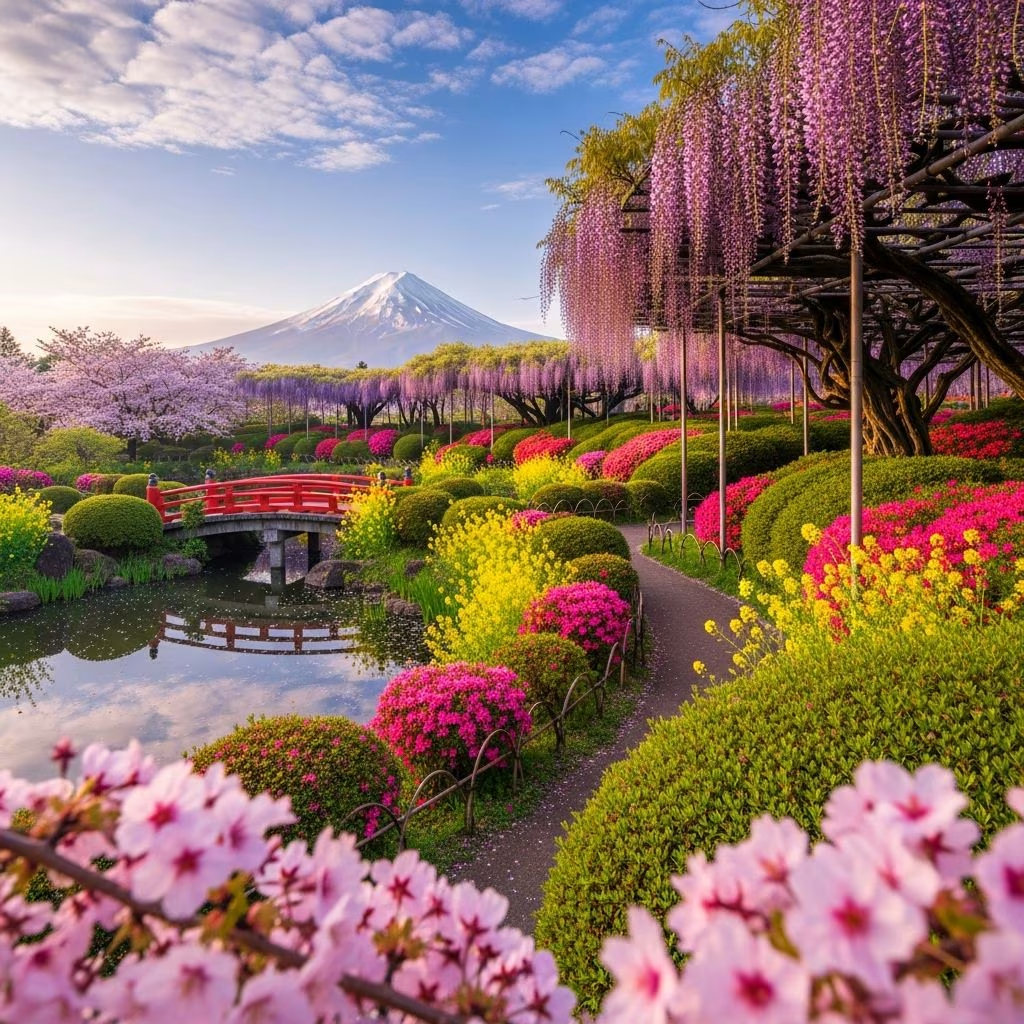
Japan’s spring transforms the archipelago into a living canvas of color, where delicate petals and vibrant clusters create mesmerizing displays. While cherry blossoms dominate the imagination, a succession of other blooms extends the season’s beauty well into May. These floral spectacles draw millions for hanami—the cherished tradition of flower viewing—offering serene gardens, ancient shrines, and modern parks as backdrops.
Spring in Japan unfolds in waves, starting with sakura in late March and continuing through early May. After cherry petals fade, wisteria takes center stage with its cascading purple clusters, followed by fields of baby blue eyes (nemophila) and moss phlox (shibazakura). This progression allows visitors to chase blooms across regions, maximizing their experience.
Timing your visit around these peaks, while avoiding Golden Week (April 29–May 6), ensures fewer crowds and optimal viewing.
Wisteria, known as fuji in Japanese, symbolizes elegance with its long, drooping racemes. Planted centuries ago in temples and gardens, these vines create natural archways perfect for strolling.
Located in Tochigi Prefecture, just an hour from Tokyo, this 23-acre park hosts over 350 wisteria trees. Highlights include 80-meter tunnels where purple, white, and pink blooms drape like curtains, and the 150-year-old ‘Great Miracle Wisteria’—a massive tree propped by beams for support. The annual festival (April 13–May 19) features nighttime illuminations, turning the garden into a glowing spectacle.
In Fukuoka, this private garden opens only during peak bloom (late April–mid-May). Advance tickets are essential to enter its 80- and 110-meter tunnels, where 20+ varieties form violet canopies. Elevated viewpoints offer panoramas of the hanging flowers.
Byodoin Temple in Uji, Kyoto, boasts 400-year-old seedless wisteria blooming around May 10, resembling grape clusters. Kameido Tenjin Shrine and Haijima Park in Tokyo feature ancient vines over 800 years old, blending history with natural beauty. Kasuga Taisha Shrine in Nara pairs wisteria with its botanical garden for a cultural hanami.
| Location | Peak Bloom | Key Feature | Access |
|---|---|---|---|
| Ashikaga Flower Park | Late April–Early May | 80m tunnels, Great Wisteria | 1hr from Tokyo |
| Kawachi Garden | Late April–Mid-May | 110m tunnel, advance tickets | Fukuoka |
| Byodoin Temple | May 10 | Seedless variety | Near Kyoto |
| Kameido Tenjin | Early May | Ancient vines | Tokyo |
Hitachi Seaside Park in Ibaraki transforms in late April with 3.5 million nemophila flowers, creating a ‘blue hill’ wave under the sun. Pair it with nearby wisteria spots for a full-day adventure.
For shibazakura, head to sites like Kawachi Fuji-en during Golden Week, where pink moss phlox blankets the ground like cherry blossom snow. These lesser-known blooms offer quieter alternatives to sakura crowds.
Japan’s efficient rail network makes multi-site tours feasible. A sample 7-day itinerary:
Tips: Book shinkansen and gardens early; Golden Week surges locals. Wear comfortable shoes for walking tunnels; picnics enhance hanami. Weather apps track bloom forecasts from JNTO.
Hanami dates to the Heian period, evolving from plum to cherry viewing, now embracing all spring flowers. Wisteria motifs adorn samurai art and kimono, evoking grace. Festivals include illuminations and markets, blending tradition with modern revelry.
Wisteria typically blooms from mid-April in the south to mid-May in the north, depending on weather.
Yes, its vast tunnels and illuminations make it a top choice, reachable in 1 hour.
Advance purchase required during bloom to manage crowds.
Nemophila at Hitachi (late April) and shibazakura (May).
Travel early April or post-May 6; focus on weekdays.
Respect nature: stick to paths, no littering. Support local by buying from festival vendors. Opt for public transport to reduce carbon footprint.
