

 Travel Essentials
 Travel Essentials

Japan earns top spot as Asia's premier wellness destination, blending onsen soaks, forest bathing, meditation, and healthy cuisine amid breathtaking landscapes.
 Travel Essentials
Japan has emerged as the unrivaled leader in wellness tourism across Asia, captivating travelers with its seamless fusion of time-honored healing traditions and pristine natural environments. This recognition stems from the nation’s deep-rooted philosophy of balancing physical vitality with mental tranquility, offering immersive experiences that restore harmony to body and spirit.
At the heart of Japan’s wellness appeal lies a cultural ethos that prioritizes holistic well-being. Concepts like ikigai—one’s personal purpose—and wabi-sabi, which celebrates imperfection and transience, permeate daily life and travel itineraries. These principles encourage mindfulness in everyday moments, from savoring seasonal cherry blossoms to participating in meticulous tea rituals. Japan’s reverence for nature infuses every aspect of wellness, transforming ordinary journeys into profound paths of self-discovery.
Travelers flock to Japan not just for its iconic sights but for structured programs that integrate these philosophies. Official tourism resources highlight how the country’s 67% forest coverage provides ideal backdrops for therapeutic immersion, making wellness accessible to all skill levels.
One of Japan’s most celebrated wellness practices is shinrin-yoku, or forest bathing, a simple yet powerful method of spending time in wooded areas to alleviate stress. Originating in the 1980s, this practice involves mindful walking amid trees, inhaling phytoncides—natural oils released by plants—that boost immune function and lower cortisol levels.
With vast national parks like Yakushima’s ancient cedars or the serene trails of Nikko, participants report lasting benefits. Studies affirm forest bathing’s role in cardiovascular health and emotional resilience, positioning Japan as a global pioneer.
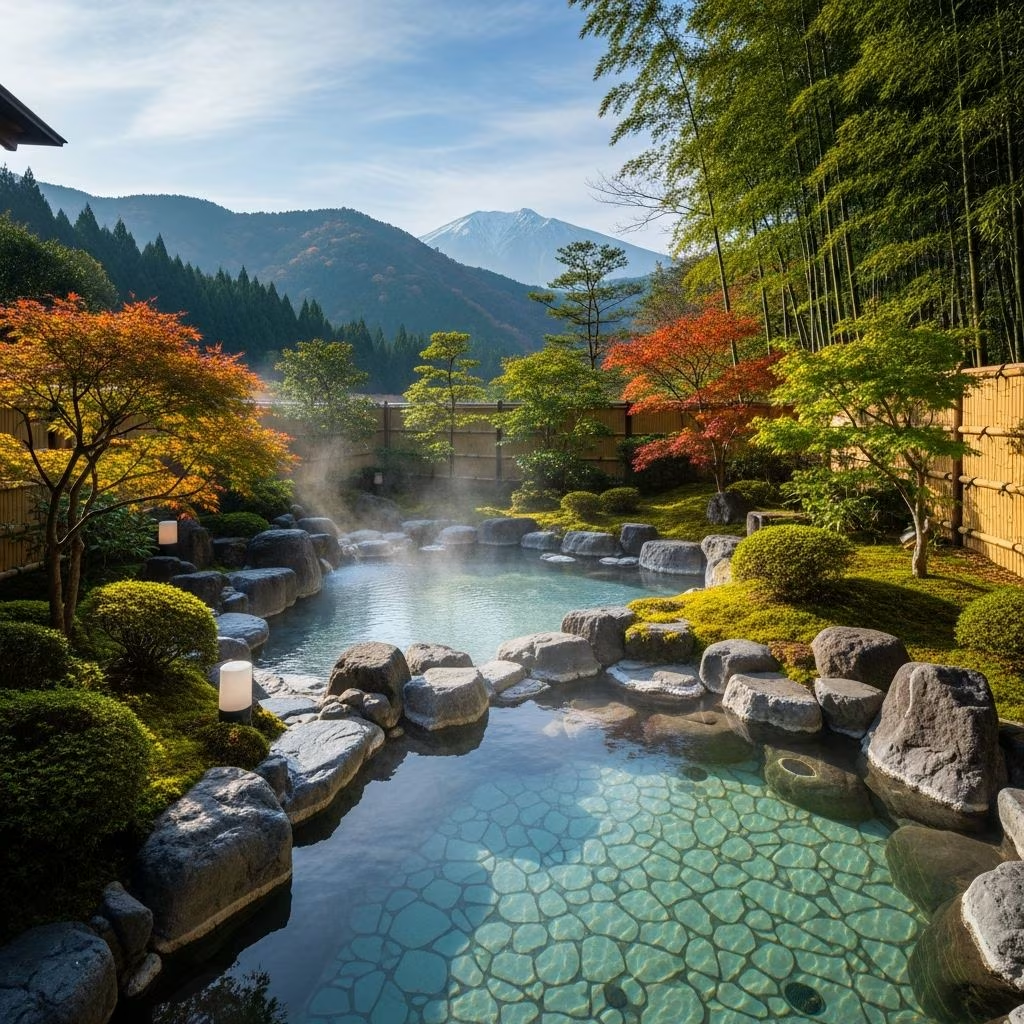
No wellness exploration in Japan is complete without experiencing onsen, geothermal hot springs revered for millennia. These mineral-rich waters, found in over 3,000 locations, offer remedies for muscle tension, circulation issues, and skin conditions. Towns like Beppu and Hakone have built entire economies around toji, the medical art of spring-based therapy.
| Onsen Region | Key Minerals | Primary Benefits |
|---|---|---|
| Hakone | Sulfur, Iron | Muscle relief, skin purification |
| Beppu | Calcium, Magnesium | Circulation boost, detoxification |
| Kusatsu | Strong acidity | Antibacterial, pain reduction |
Soaking protocols vary: private baths for introspection or communal rotenburo under stars. Health experts note improved sleep and reduced inflammation post-immersion, with ancient texts documenting these effects.
Japan’s temples host Zen meditation sessions that cultivate inner peace. Practices like zazen—seated contemplation—trace back to the 12th century, helping practitioners manage pain, anxiety, and depression. Modern retreats combine these with yoga, offering guided sessions in tranquil settings.
Destinations such as Eiheiji Temple in Fukui provide multi-day stays with monk-led instruction, meals, and nature walks. Benefits include enhanced focus and emotional regulation, backed by wellness tourism endorsements.
Japanese cuisine elevates wellness through kaiseki—multi-course meals emphasizing seasonal, fresh ingredients—and macrobiotic diets rooted in Zen Buddhism. Fermented foods like miso and natto support gut health, while matcha provides sustained energy without crashes.
In Kyoto’s ryokans, guests learn tea ceremonies that foster gratitude and presence, aligning with concepts like oubaitori—joy in small things.
Japan boasts award-nominated havens like those recognized in global spa accolades. Hoshinoya properties fuse luxury with tradition: Hoshinoya Kyoto offers riverside meditation, while Fuji integrates forest therapy.
These venues customize programs, blending Eastern modalities with Western spa services for comprehensive renewal.
To maximize benefits, time visits for spring sakura or autumn foliage. Book multi-day packages including transport via Japan Rail Pass. Etiquette matters: tattoo policies vary, but many modern onsen welcome all.
Budget options range from ¥10,000/night hostels with communal baths to ¥100,000+ luxury escapes. Sustainable choices like eco-lodges in Shikoku emphasize low-impact healing.
Research validates Japan’s offerings. Forest bathing trials show 12-20% immune boosts; onsen studies link regular use to lower blood pressure. Meditation retreats yield measurable anxiety reductions, making Japan ideal for burnout recovery.
Its unique blend of ancient practices, diverse landscapes, and cultural depth surpasses regional peers.
Yes, it requires no prior experience—just openness to nature’s embrace.
Many offer private options; check for mixed-gender rules.
5-10 days allow deep immersion across regions.
Visa-free for many nationalities up to 90 days; confirm via official sites.
Japan’s ascent as Asia’s wellness pinnacle reflects a timeless commitment to harmony. From misty forests to steaming springs, every element invites transformation. Plan now to experience this restorative magic firsthand.
