

 Travel Essentials
 Travel Essentials

Discover how to enjoy Japan's traditional sento baths respectfully: from packing essentials and entry procedures to bathing rituals, tattoo policies, and common pitfalls to avoid.
 Travel Essentials
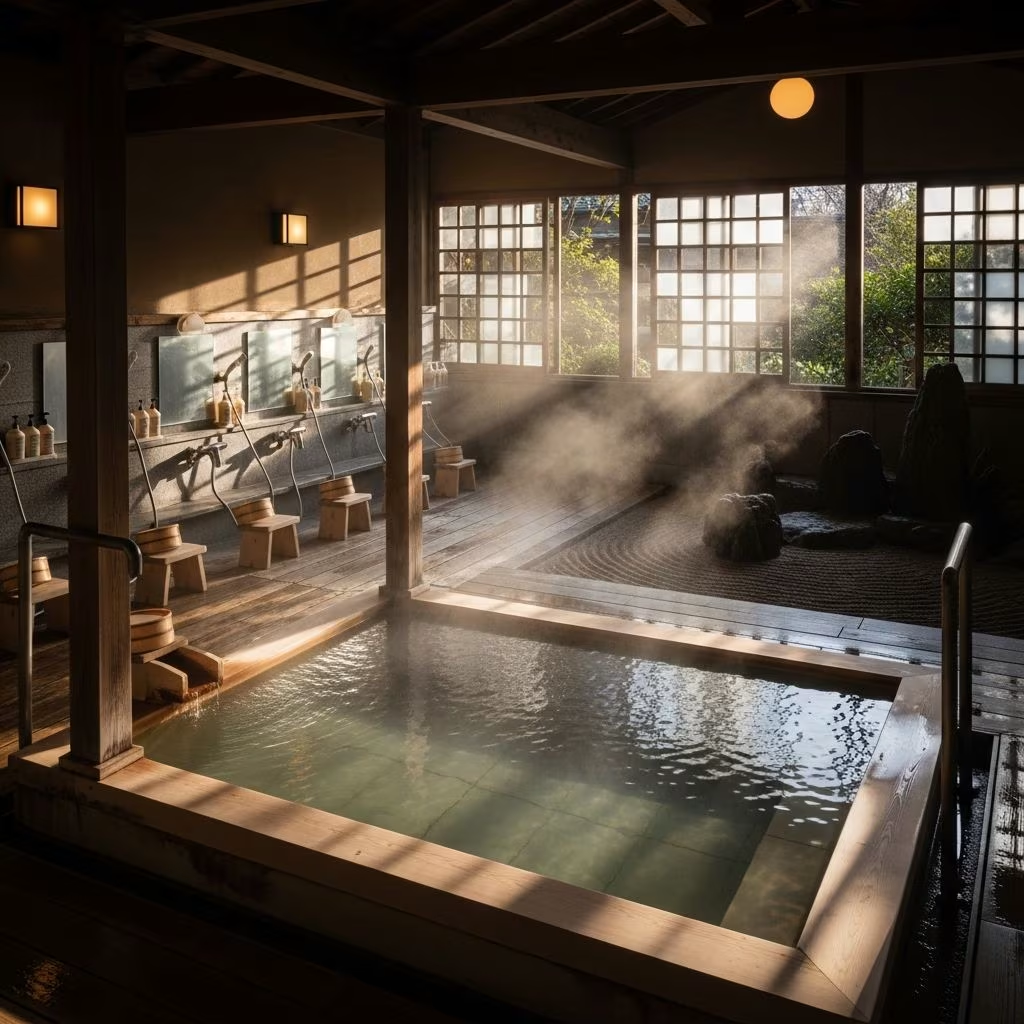
Japan’s public bathhouses, known as sento, offer a profound way to unwind and connect with local traditions. These communal spaces provide hot soaking pools that soothe the body after a day of exploration, blending relaxation with strict cultural norms. Understanding the protocols ensures respect for fellow bathers and enhances your experience.
Sento differ from natural hot springs called onsen; they use heated tap water in urban or suburban settings, making them accessible neighborhood fixtures. Historically, they served as social hubs where communities gathered for cleansing and conversation. Today, while fewer in number, they persist as vital wellness spots, especially in Tokyo and other cities.
Visitors appreciate the tiled interiors adorned with artwork, steam-filled rooms, and varied temperature pools. Entry fees hover around 450-500 yen, affordable for locals and tourists alike. Sento promote mindfulness, requiring full nudity and silence to foster tranquility.
Preparation sets the tone for a smooth sento experience. Start by gathering necessities since many facilities lack amenities.
Avoid valuables, phones, or glass items. If tattooed, note potential restrictions—many view ink as linked to organized crime, though attitudes evolve. Cover small tattoos with patches if possible. Tie back long hair to prevent it contaminating water.
Upon arrival, spot the iconic chimney or painted exterior. Follow these steps meticulously:
Proceed through sliding doors to the misty bathing hall, carrying toiletries in a basket.
The core of sento lies in its precise bathing sequence, emphasizing cleanliness and serenity.
| Step | Action | Purpose |
|---|---|---|
| 1. Acclimate | Splash warm water from buckets or showers over your body 3-4 times. | Adjust to heat and rinse initial dirt. |
| 2. Thorough Cleanse | Sit on a low stool facing the wall. Lather with soap/shampoo using provided buckets/showers. Scrub everywhere, rinse completely—no suds remain. | Ensure pools stay pure; washing occurs only here. |
| 3. Soak | Enter naked (towel on head if modest). Immerse slowly without splashing. Limit time to 10-15 minutes per pool. | Relax muscles; rotate between hot/cool tubs. |
| 4. Exit Gracefully | Drip-dry briefly, then towel off in designated area before lockers. | Avoid wet floors and respect space. |
Maintain quiet whispers; no loud talk, swimming, or dunking towels. Use red faucets for hot water, blue for cold.
Sento boast diverse pools for therapeutic benefits:
Signs with lightning bolts mark electric ones; test water first. Rotate pools mindfully to prevent overheating.
First-timers often err due to unfamiliarity:
During menstruation, skip if using pads; internal cups are acceptable if undetectable. No alcohol pre-visit—impairs etiquette.
Traditional stigma persists, barring visible tattoos in many sento and onsen. However, super sento and tourist-friendly spots increasingly allow them or provide covering options. Research ahead via Google Maps reviews or official sites. Patches or bandages work for small designs.
Apps like Google Maps or Tabelog list nearby options; seek ‘super sento’ for modern amenities or heritage ones for authenticity. Tokyo gems include places with painted ceilings depicting Mt. Fuji. Visit evenings when locals unwind, but avoid peak rush hours.
Super sento elevate with saunas, rock saunas, and dining areas, sometimes doubling as day spas.
Regular sento use improves circulation, eases stress, and detoxifies skin. Hot water dilates vessels, while minerals (even artificial) soothe joints. Contrast bathing boosts immunity. Limit sessions if pregnant, elderly, or with conditions—consult doctors.
Yes, typically up to age 10 with opposite-sex parent; many have family hours.
Absolutely—pictorial signs guide; smiles bridge gaps.
Vending machines or staff often lend/buy one.
Usually 40-43°C; enter gradually.
For healthy adults, yes—mild tingles only; skip with electronics in body.
Combine with pre-bath stretches or post-soak tea. Observe locals for nuances, like bucket etiquette. Repeat visits build confidence and reveal hidden gems. Sento embody Japan’s hospitality—participate respectfully for memorable rejuvenation.
