


 Food & Culture
Food & Culture
Japan’s Best Listening Bars: Tokyo, Kyoto & Beyond
Explore top listening bars in Tokyo, Kyoto, Osaka, and beyond, featuring exceptional audio systems, vast vinyl collections, and curated atmospheres for music enthusiasts.
 Food & Culture
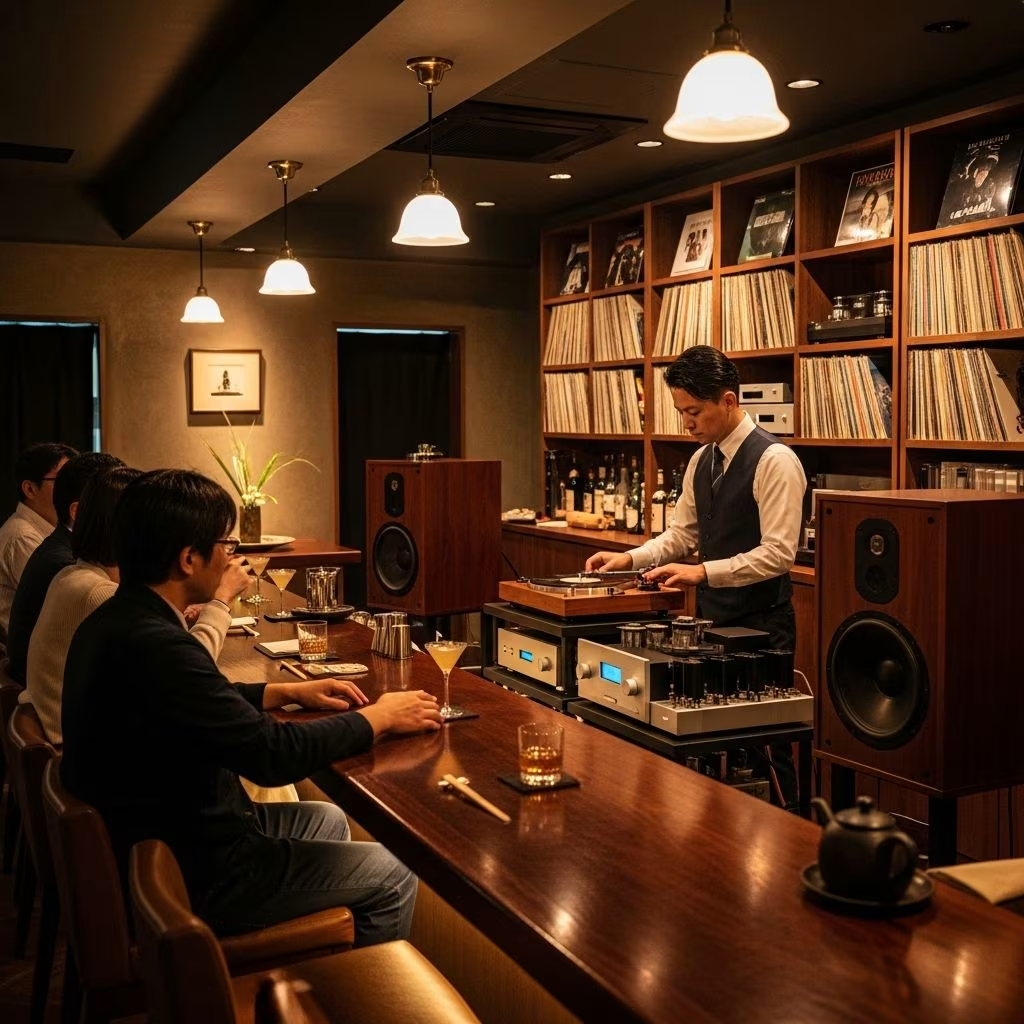
Japan’s listening bars represent a unique fusion of audiophile passion and nightlife culture, where patrons gather in dimly lit spaces to savor high-fidelity sound from vinyl records paired with expertly crafted drinks. These venues prioritize acoustic excellence over thumping bass, offering a serene escape for music aficionados. Rooted in the tradition of jazz kissaten—cafes dedicated to immersive listening—these modern iterations span cities like Tokyo, Kyoto, and Osaka, each boasting custom sound systems and extensive record collections.
The Essence of Listening Bars in Japanese Culture
Listening bars emerged from post-war jazz cafes, evolving into sophisticated spots where owners act as curators, selecting tracks to complement the venue’s acoustics. Unlike standard nightclubs, conversation yields to the music, with volumes set for optimal clarity. High-end equipment, often vintage Tannoy speakers or tube amplifiers, delivers pure analog warmth. Many bars enforce no-talking zones during sets, fostering a meditative vibe. This scene thrives due to Japan’s deep vinyl revival, with collectors amassing thousands of rare LPs across genres like jazz, soul, funk, and classical.
Visitors appreciate the ritual: entering a narrow alleyway, descending stairs to a cozy room, and settling into plush seats as the needle drops. Drinks menus feature whisky highs, espresso martinis, or natural wines, but the star is always the soundstage. Smoking persists in some traditional spots, adding to the hazy, nostalgic ambiance.
Top Listening Bars in Tokyo
Tokyo pulses with the densest concentration of these venues, particularly in Shibuya, Ginza, and Shimokitazawa. Neighborhoods like these hide gems behind unassuming facades, drawing locals and travelers alike.
- Ginza Music Bar: Featuring royal blue seating and gleaming wooden interiors, this spot houses 3,000 vinyls and a premium DJ setup with a rotary mixer ideal for analog purists.
- The Music Bar Cave Shibuya: Tucked near Shibuya Station, it emphasizes analog playback, alcohol, and guest comfort since its 2013 opening by dedicated owners.
- Little Soul Cafe: In Shimokitazawa, this 1999 veteran crams 15,000 records into a corridor-like space, spanning ’60s soul to funk, creating a communal haven from 9pm nightly.
- Spincoaster: Near Yoyogi Station, a versatile den suits solo sippers or groups, with versatile outfits welcome in its intimate setup.
- Jazz Inn Uncle Tom: A Tokyo institution with over 3,000 jazz LPs, offering authentic immersion in a classic listening environment.
These Tokyo haunts showcase the city’s audiophile edge, where owners tweak systems obsessively for sonic perfection.
Hidden Gems Beyond the Capital
Venturing outside Tokyo reveals regional specialties. Kyoto blends tradition with innovation, Osaka adds eclectic flair, and smaller cities like Matsumoto offer serene escapes.
| City | Venue | Highlights |
|---|---|---|
| Tokyo | Record Bar Analog | Proximity to Shibuya Station; focus on analog music and drinks. |
| Kyoto | P.M.SOUNDS | Jazz-centric with daytime kissa turning to whisky bar evenings. |
| Osaka | Milk Bar | Casual vibe with all-day curry and post-7pm cover charge. |
| Matsumoto | Eonta | Intimate analog haven in a mountainous setting. |
In Kyoto, P.M.SOUNDS transitions seamlessly from cafe to bar, serving espresso martinis alongside rare jazz cuts. Osaka’s Milk Bar, doubling as a curry joint until evening, charges a modest cover and permits smoking for that authentic haze. Matsumoto’s Eonta provides a quieter alternative, ideal for focused listening amid scenic surroundings.
Audio Equipment and Vinyl Obsession
Central to the experience are meticulously calibrated systems. Owners like Yoshio Nojima at SHeLTeR have refined setups over decades, using precision speakers, amps, and turntables for unparalleled clarity. Common fixtures include Tannoy monitors, Luxman amps, and direct-drive turntables. Vinyl collections number in the thousands, curated personally—think first pressings of Miles Davis or obscure funk 12-inches.
Many bars host DJ sessions with rare rotary mixers, blending seamless transitions without digital artifacts. This analog devotion stems from Japan’s hi-fi heritage, where brands like Accuphase and Esoteric dominate.
Practical Tips for Your Listening Bar Adventure
- Arrive early: Seats fill fast, especially weekends.
- Check cover charges: ¥800-¥1,100 typical after peak hours.
- Respect the code: Keep voices low; let music lead.
- Explore kissaten by day: Many double as cafes.
- Smoking alert: Prevalent in traditional spots—opt for non-smoking if sensitive.
Navigation apps help locate basement entries. No reservations often, but groups may negotiate covers.
Genre Spotlights and Unique Twists
While jazz dominates, diversity abounds. Soul and funk thrive in Shimokitazawa; natural wine pairs with eclectic spins at spots like a certain wine bar. Classical and dance cuts appear in versatile venues. Some, like Bokunen, serve curry all day before whisky hour. Audiophile tweaks, such as room treatments, elevate every track.
Why Listening Bars Captivate Global Travelers
These bars offer respite from Japan’s bustling streets, blending omotenashi hospitality with sonic bliss. Solo travelers find welcoming solitude; couples enjoy intimate dates. The scene’s niche appeal draws vinyl enthusiasts worldwide, with owners sharing stories behind rare finds. As Japan’s music culture evolves, these venues preserve analog soul amid digital tides.
Frequently Asked Questions (FAQs)
What is a listening bar?
A venue focused on high-quality music playback via vinyl and premium audio gear, where patrons listen attentively over chatting.
Are listening bars family-friendly?
Mostly adult-oriented nightlife; best for 20+ crowds, with some daytime kissaten options.
How much do drinks cost?
¥1,000-¥2,000 per cocktail or highball, plus covers in evenings.
Do I need to know Japanese?
Menus often English-friendly; owners welcoming to internationals.
Best time to visit Tokyo listening bars?
Weeknights for seats; weekends for vibe, post-9pm openings.
Planning Your Itinerary
Combine Tokyo’s Shibuya crawl with Kyoto’s jazz nights. Matsumoto suits day trips from Nagano. Apps like Google Maps pinpoint alleys; Hyperdia aids train hops. Budget ¥5,000-10,000 nightly including transport.
References
- A Guide to Japanese Listening Bars — Tokyo Weekender. 2023. https://www.tokyoweekender.com/entertainment/music/a-guide-to-japanese-listening-bars/
- 7 of the best listening bars in Japan — Lonely Planet. 2023. https://www.lonelyplanet.com/articles/best-listening-bars-japan
- 8 best listening bars in Tokyo for vinyl music — Time Out. 2023. https://www.timeout.com/tokyo/nightlife/top-music-bars-in-tokyo
- Japan’s Hidden Listening Bars: SHeLTeR — Resident Advisor (YouTube). 2023. https://www.youtube.com/watch?v=qe5W7zvw10I
On This Page
The Essence of Listening Bars in Japanese Culture Top Listening Bars in Tokyo Hidden Gems Beyond the Capital Audio Equipment and Vinyl Obsession Practical Tips for Your Listening Bar Adventure Genre Spotlights and Unique Twists Why Listening Bars Captivate Global Travelers Frequently Asked Questions (FAQs) Planning Your Itinerary← Previous
Uzbekistan With Kids: The Best Family-Friendly Silk Road Adventure
Next →
Best Luxury Hotels in Ireland: Dublin, Adare & Killarney
Related Reading
More in Food & Culture
Food & Culture Food & Culture
 Food & Culture
Best Places to Eat in Rome: Neighborhood Dining Guide
 Food & Culture
 Food & Culture