

Food & Culture Stays Travel Essentials Travel Guides Trip Ideas
Categories
From the Blog
Remy’s Ratatouille Adventure at EPCOT: Ride Review, Tips & 2D Update
Travel Essentials

Japan’s Overtourism Problem: Hotspots, Impacts, and Solutions

Japan grapples with overtourism as record visitor numbers overwhelm hotspots like Kyoto and Tokyo, sparking local frustrations and infrastructure strains while prompting sustainable travel reforms.
Travel Essentials

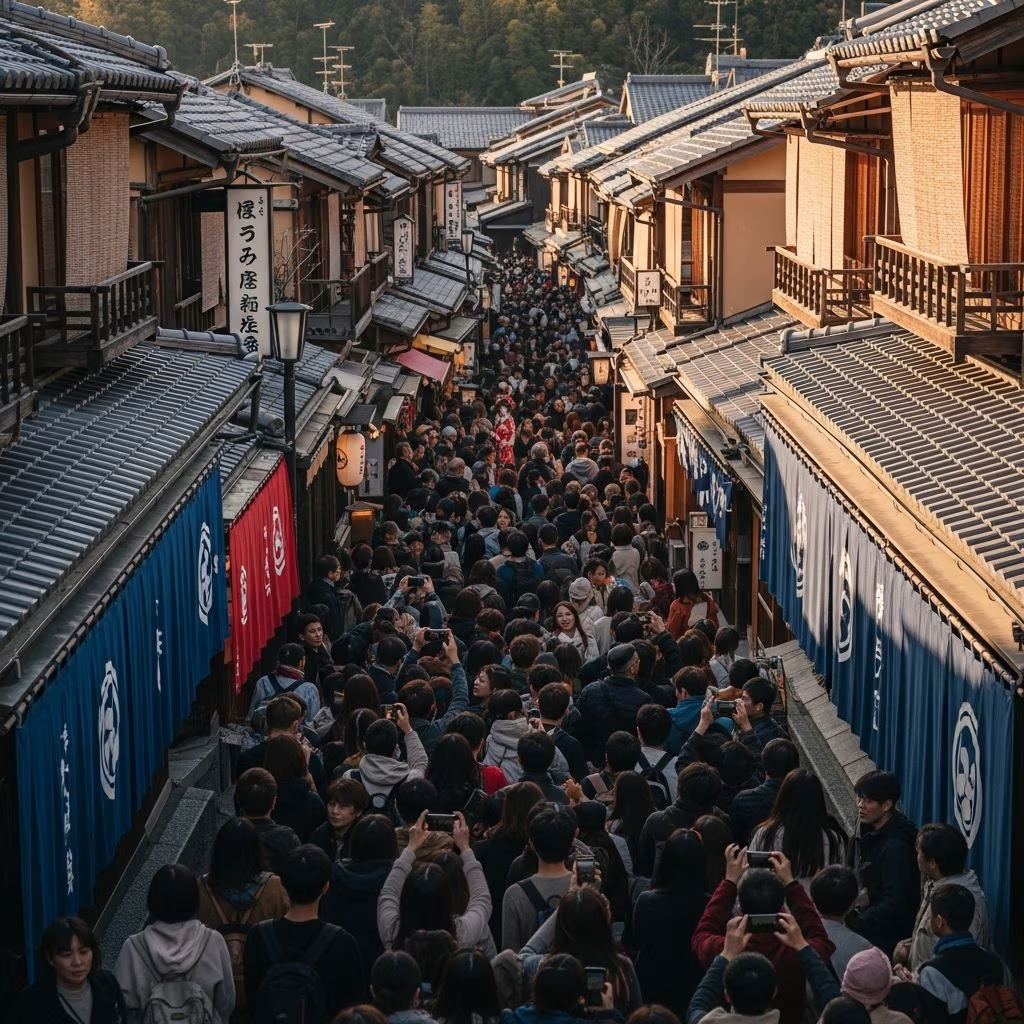
Japan’s tourism boom has transformed its economy but unleashed challenges from excessive visitors in key areas. With over 30 million annual arrivals in recent years, popular sites face congestion that disrupts daily life and diminishes experiences for all.

The Roots of the Tourism Surge

Visitor numbers to Japan skyrocketed from under 10 million a decade ago to more than 30 million yearly, fueling economic growth yet exposing vulnerabilities in concentrated destinations. This rapid influx stems from weakened yen, global marketing campaigns, and post-pandemic travel rebounds, drawing crowds to urban hubs and cultural landmarks.

About 73% of overnight stays cluster in five prefectures: Tokyo, Osaka, Kyoto, Hokkaido, and Fukuoka, leaving vast regions under-visited. This imbalance amplifies pressures on infrastructure and communities in these hotspots.

Key Hotspots Under Pressure

  • Kyoto’s Historic Districts: Narrow streets in Gion see geisha harassment and blocked pathways, prompting resident complaints about privacy invasions and noise.
  • Tokyo’s Shibuya Crossing: Massive crowds, especially during events like Halloween, lead to public drinking issues and safety concerns.
  • Mount Fuji Trails: Base camps and summit paths overflow with unprepared hikers, increasing litter, injuries, and altitude risks.
  • Kanazawa and Regional Cities: Even secondary spots like Kanazawa approach capacity, while nearby towns like Komatsu remain quiet.
  • Kamakura Railway Crossings: Tourists posing for photos endanger themselves and delay locals, necessitating guards.

Impacts on Local Communities

Residents dub the phenomenon kanko kogai or “tourism pollution,” capturing disruptions to routines. Congestion clogs public transport with luggage-laden visitors, complicating commutes in cities like Kyoto and Tokyo.

Daily nuisances include shop overcrowding, street blockages, and property wear. In Kyoto, express buses now link stations to sites to ease suitcase chaos on regular routes. A 2024 survey revealed 32% of foreign visitors noted congestion as their top issue, alongside poor manners like littering and rule-breaking.

Impact AreaDescriptionExamples
Daily LifeNoise, crowds in quiet areasGion privacy breaches, Shibuya altercations
TransportOverloaded buses/trainsLuggage blocking Kyoto commutes
Cultural SitesDamage, restricted accessMount Fuji litter, Himeji fee hikes
Tourist ExperienceLong queues, lost charmTemple overcrowding

Environmental and Cultural Strains

Overcrowding erodes natural treasures: Mount Fuji’s trails suffer litter surges and unprepared climbers risking falls, prompting 4pm closures and fees funding conservation. Historic sites like Himeji Castle consider steep entry hikes to curb volumes.

Cultural faux pas—photographing geisha without permission or trespassing—erode hospitality traditions, fostering resentment. These behaviors not only harm sites but sour interactions, pushing locals to post Japanese-only signs.

Government and Local Responses

Japan aims to double tourists by dispersing them regionally, countering the 73% concentration. Funding supports rural projects, while tech like AI signage flags crowded zones.

  • Visitor caps: Ginzan Onsen limits entries in winter.
  • Fees and rules: Mount Fuji trail charges, Himeji proposals.
  • Transport aids: Kyoto express buses.
  • Safety measures: Kamakura photo guards.

National strategies promote lesser-known prefectures, leveraging digital tools for real-time crowd data.

Responsible Travel Tips for Visitors

Travelers can mitigate issues through mindful choices:

  • Visit off-peak: Avoid cherry blossom/Golden Week rushes; explore shoulder seasons.
  • Diversify destinations: Head to Tohoku or Shikoku for authentic vibes minus crowds.
  • Respect etiquette: No street eating, seek photo consent, use luggage forwarding.
  • Support locals: Shop small businesses, dine off-main paths.
  • Check updates: Follow site rules via apps for caps or closures.

These steps enhance trips while easing burdens.

Future Outlook: Sustainable Tourism Horizons

By redirecting flows, Japan balances economic gains with livability. Tech integration and regional incentives promise equitable growth, turning challenges into opportunities for immersive travel.

While hotspots strain, 90% of Japan offers serene escapes—countryside welcomes with open arms. Thoughtful policies and visitor awareness pave the way for enduring appeal.

Frequently Asked Questions (FAQs)

Is overtourism ruining Japan travel?

No, but it affects specific sites; alternatives abound for crowd-free adventures.

Which areas suffer most?

Kyoto, Tokyo, Mount Fuji, Kanazawa—73% stays in five prefectures.

What causes congestion complaints?

High volumes, poor manners, infrastructure limits.

How is Japan responding?

Caps, fees, regional promotion, tech crowd management.

Tips for avoiding crowds?

Go rural, off-season, respect rules.

References

  1. Japan faces stronger concerns with overtourism — YouTube. 2024-09-23. https://www.youtube.com/watch?v=qMYbYuhKFdw
  2. How Japan is redesigning tourism to benefit local communities — World Economic Forum. 2025-05-01. https://www.weforum.org/stories/2025/05/how-japan-is-redesigning-tourism-to-benefit-local-communities/
  3. Overtourism in Japan: What You Need To Know — Japan Travel. 2024-10-01. https://en.japantravel.com/tokyo/overtourism-in-japan-how-bad-is-it/72026
  4. Empty Japan | Is There Really an Overtourism Problem — Donny Kimball. 2024-01-01. https://donnykimball.com/japan-overtourism-34be1e2cb8dc
  5. Overtourism in Japan – Responsible Travel — Responsible Vacation. 2024-06-01. https://www.responsiblevacation.com/vacations/japan/travel-guide/overtourism
  6. The Basics about Overtourism in Japan — Japan-Guide.com. 2024-01-01. https://www.japan-guide.com/news/overtourism.html
ME
medha deb
Medha Deb is an editor with…

Medha Deb is an editor with a master's degree in Applied Linguistics from the University of Hyderabad. She believes that her qualification has helped her develop a deep understanding of language and its application in various contexts. Medha specializes in the areas of beauty, health, sports, and wellness and is committed to ensuring that the content on the website is of the highest quality.Medha's passion for writing and editing began early in life when she joined a book writer's club with her mother. It was there that she discovered her love for the written word and the power it holds to inform, inspire, and transform lives. Since then, she has honed her skills as a writer and editor, working with a variety of clients and publications to produce compelling and informative content. Currently, she writes and edits for CultureTreker.She is also an ardent animal lover and dedicates her time and resources to the foster care of neonatal kittens, providing them with the love and attention they need to thrive. Her commitment to animal welfare is a testament to her compassion and empathy, and it underscores her belief in the importance of caring for the most vulnerable members of our society.

← Previous
Bangladesh Travel Guide: Rivers, Wildlife, Tea Hills & Culture
‹›

