

 Travel Essentials
 Travel Essentials

Learn essential tips for visiting Jasper responsibly: check closures, support locals, respect nature, and enjoy safe adventures in this resilient park amid ongoing recovery.
 Travel Essentials
Jasper National Park welcomes visitors in 2026 with most areas accessible, though recovery from the 2024 wildfires continues, emphasizing the need for mindful travel practices. Tourism plays a vital role in the town’s economic rebound, but guests must prioritize safety, respect closures, and aid ecological healing.
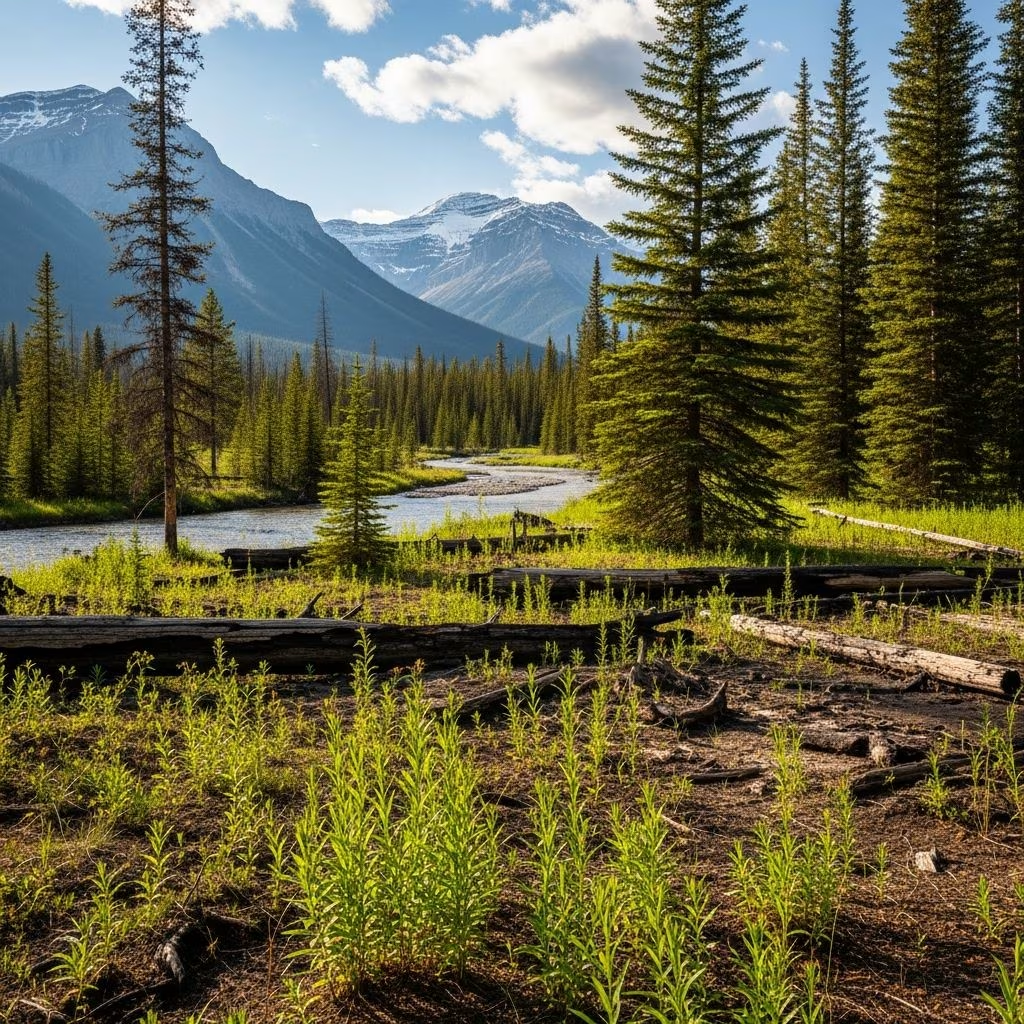
The 2024 wildfires scorched over 32,000 hectares in Jasper National Park, damaging about one-third of the townsite while leaving 97% of the park untouched. This event led to the evacuation of roughly 25,000 people, including 5,000 residents and 20,000 tourists, highlighting the scale of disruption. Despite the destruction, the fire created opportunities for ecological renewal, with new vistas and resilient wildlife emerging in affected zones.
Parks Canada has led extensive recovery, focusing on infrastructure repairs, hazard tree removal, and environmental monitoring. By 2025, 75% of frontcountry campsites and all backcountry sites reopened, with similar availability planned for 2026. The park’s commitment to rebuilding ensures safe access to its turquoise lakes, trails, and wildlife viewing spots.
As of 2026, Jasper National Park operates at near-full capacity for many attractions, but specific closures persist due to safety assessments. Visitors should consult official Parks Canada resources before trips to confirm real-time conditions.
Overflow campgrounds and extended seasons at select sites help accommodate demand, with reservations strongly recommended.
Advance planning ensures a smooth visit amid recovery efforts. Book campsites via the Parks Canada system early, as 75% of frontcountry sites will be available. Monitor weather, fire bans, and wildlife alerts, packing essentials like bear spray, sturdy footwear, and ample water.
| Aspect | 2025 Status | 2026 Outlook |
|---|---|---|
| Frontcountry Campsites | 75% open | 75% available |
| Backcountry Campsites | 100% open | 100% available |
| Major Trails | Most reopened | Select new openings, some closed |
| Townsite Access | Partial recovery | Businesses operational |
This table summarizes campground progress, underscoring steady improvements.
Honoring closures protects workers, residents, and ecosystems. Stay on designated paths to avoid hazards like falling trees in burn zones. Parks Canada conducts ongoing assessments, so bypassing barriers risks fines and injury.
Bear safety remains critical: travel in groups, make noise, and store food properly. Fire prevention is key—adhere to bans and use established sites only. These measures support both personal safety and park integrity during renewal.
Tourism sustains Jasper’s recovery, with businesses reopening since September 2024. Dine at local eateries, shop artisan stores, and book guided tours to channel spending directly into the community. Operators now offer wildfire recovery-themed experiences, showcasing adaptation and rebirth.
Personal outreach from Tourism Jasper helped businesses rebound, emphasizing relational support over the crisis. Choosing local guides provides insider insights into changed landscapes and resilience stories.
Wildfires naturally rejuvenate forests, fostering new growth and habitats. Observe charcoal soils and regrowing shoots without disturbing them—stick to trails to prevent erosion. Participate in citizen science by reporting observations via park apps, contributing to monitoring efforts.
Minimize waste: pack out trash, use reusable items, and opt for low-impact transport like shuttles or bikes. These actions align with responsible tourism principles promoted post-fire.
Recovery unveils unique sights, such as panoramic views from cleared areas and thriving wildlife in transitional zones. Hike reopened trails like Valley of the Five Lakes for accessible nature immersion with upgrades. Canoe on unaffected lakes or bike extensive networks, immersing in regeneration.
New tours highlight fire ecology, teaching visitors about renewal processes and human-nature coexistence. These enrich trips beyond pre-fire norms.
Diverse lodging supports varied budgets. Parks Canada campsites dominate, with Whistlers offering spots for displaced locals and contractors alongside visitors. Frontcountry sites provide utilities; backcountry demands self-sufficiency.
Drive the Icefields Parkway cautiously, watching for wildlife and debris. Park shuttles reduce traffic; bikes suit short distances. Avoid off-road travel to protect recovering soils.
Jasper’s rebuild draws lessons from past fires, prioritizing quick infrastructure access unlike some precedents. Visitors fuel healing by spending locally and following guidelines, ensuring a thriving future.
No, while most areas welcome visitors, Cavell Road, Maligne Canyon, and select trails/campgrounds remain closed for safety.
Patronize local businesses, respect closures, and practice Leave No Trace principles.
Yes, reopened sites undergo hazard clearing and infrastructure checks.
Bears, elk, and others thrive; carry spray and maintain distance.
Absolutely—hike approved trails to witness natural renewal safely.
