

 Travel Essentials
 Travel Essentials

Jawai in Rajasthan offers thrilling leopard safaris, birdwatching at scenic dams, cultural encounters with Rabari tribes, and rugged hikes in a stunning granite landscape untouched by mass tourism.
 Travel Essentials
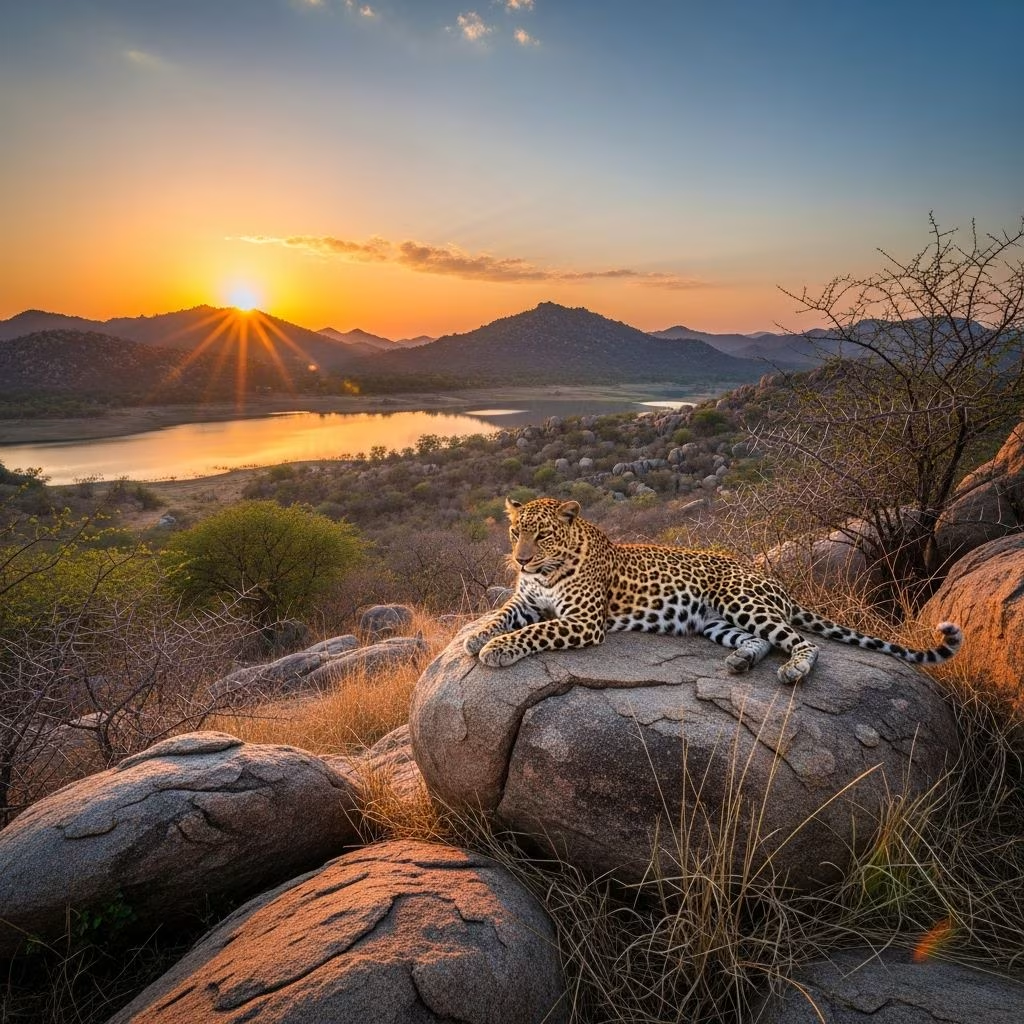
Jawai stands as a breathtaking testament to Rajasthan’s untamed beauty, where massive granite boulders cradle elusive leopards and nomadic herders navigate vast scrublands. This Pali district gem merges thrilling wildlife encounters with authentic rural traditions, drawing adventurers seeking an escape from crowded tourist trails.
Spanning roughly 60 square kilometers, Jawai unfolds as a rugged mosaic of billion-year-old volcanic rocks, seasonal rivers, and golden grasslands. Unlike fenced national parks, wildlife here thrives alongside human settlements, creating a harmonious coexistence that’s rare in modern India. Villages like Bera and Perwa buzz with activity, while quieter spots such as Sena provide secluded retreats amid the hills.
The landscape’s ancient origins trace back to volcanic eruptions, sculpting natural caves and outcrops that serve as leopard dens. Sun-scorched days give way to fiery sunsets, casting long shadows over millet fields swaying in the arid breeze. This raw environment supports a rich biodiversity, from predatory cats to migratory birds flocking to vital water bodies.
Jawai’s star attraction is its bold leopard population, numbering among India’s highest densities outside protected reserves. These spotted predators boldly perch on sun-warmed rocks overlooking villages, offering sightings that feel intimate and unscripted. Community-guided safaris, led by local Rabari trackers, navigate boulder-strewn paths twice daily—dawn and dusk—for 2.5 to 3-hour excursions.
Beyond big cats, the region pulses with life: laggar falcons soar overhead, and smaller mammals like nilgai antelopes graze peacefully. Safaris emphasize ethical viewing, respecting the delicate balance between predators and livestock.
The semi-nomadic Rabari community defines Jawai’s cultural soul. Clad in flowing white robes, crimson turbans, and silver jewelry, these pastoralists herd goats and sheep across the arid expanse. Veiled women balance water pots with graceful poise, embodying resilience in this harsh terrain.
Visitors can join guided village walks to witness daily rituals: clay cooking over open fires, traditional dances under starlit skies, and stories of leopard-human harmony passed down generations. Rabari trackers double as safari guides, sharing indigenous knowledge that enhances every wildlife pursuit. This interaction fosters mutual respect, as locals view leopards not as threats but integral to their folklore.
Reaching Jawai is straightforward from Rajasthan’s key hubs. Positioned midway between Udaipur (145km, 3.5 hours) and Jodhpur (170km, 4 hours), private transfers via lodges ensure smooth journeys over well-maintained roads. Jawai Bandh railway station on the Ahmedabad-Delhi line offers direct connections, ideal for eco-conscious travelers.
| From | Distance | Travel Time | Best Mode |
|---|---|---|---|
| Udaipur Airport | 145km | 3.5 hours | Private car |
| Jodhpur Airport | 170km | 4 hours | Private car |
| Mount Abu | ~100km | 2.5 hours | Road transfer |
| Jawai Bandh Station | Local | Minutes | Lodge pickup |
Arrange accommodations in advance; luxury wilderness lodges like Bera Safari Lodge provide plush tents blending Rajasthani aesthetics with modern comforts such as air-conditioned cottages and spa facilities.
Winter (October to March) reigns supreme, with cool temperatures (15-25°C) perfect for safaris and hikes. Migratory birds peak, and leopards are more visible on balmy rocks. Summers (April-June) scorch above 40°C, thinning crowds but testing endurance. Monsoons (July-September) transform the parched earth into lush greenery, though flash floods can disrupt access.
Diversify your itinerary with these highlights:
Other pursuits include night safaris for nocturnal creatures, kite-flying festivals, and hot spring dips nearby, immersing you in Rajasthan’s multifaceted charm.
Jawai’s lodges elevate off-grid escapes with opulent tents featuring private decks overlooking hills. Expect gourmet Rajasthani fare: spicy laal maas, dal baati churma, and fresh kebabs cooked in earthen pots. Many properties offer farm-to-table meals using local produce, paired with sundowners amid boulders.
Budget options exist in homestays, but premium resorts like Aaramgaah Jawai provide spas, infinity pools, and personalized safari planning, catering to luxury seekers.
Jawai’s magic hinges on sustainable practices. Community-led tourism funds conservation, reducing human-wildlife conflicts. Opt for eco-friendly lodges, avoid single-use plastics, and follow tracker guidelines to minimize disturbance. As an emerging hotspot, responsible travel ensures leopards continue roaming freely.
Yes, guided activities and secure lodges make it welcoming; stick to organized safaris for wilderness safety.
Sturdy shoes, binoculars, sunscreen, hats, light woolens for evenings, and camera gear.
Absolutely; child-friendly safaris and cultural walks suit all ages, though hikes require fitness.
Lodges accommodate all diets with authentic Rajasthani vegetarian specialties.
3-4 days allow multiple safaris, hikes, and village immersion.
