

 Travel Essentials
 Travel Essentials

Comprehensive guide on identifying jellyfish stings, immediate first aid, species-specific treatments, and when to seek medical help for safe coastal travel.
 Travel Essentials
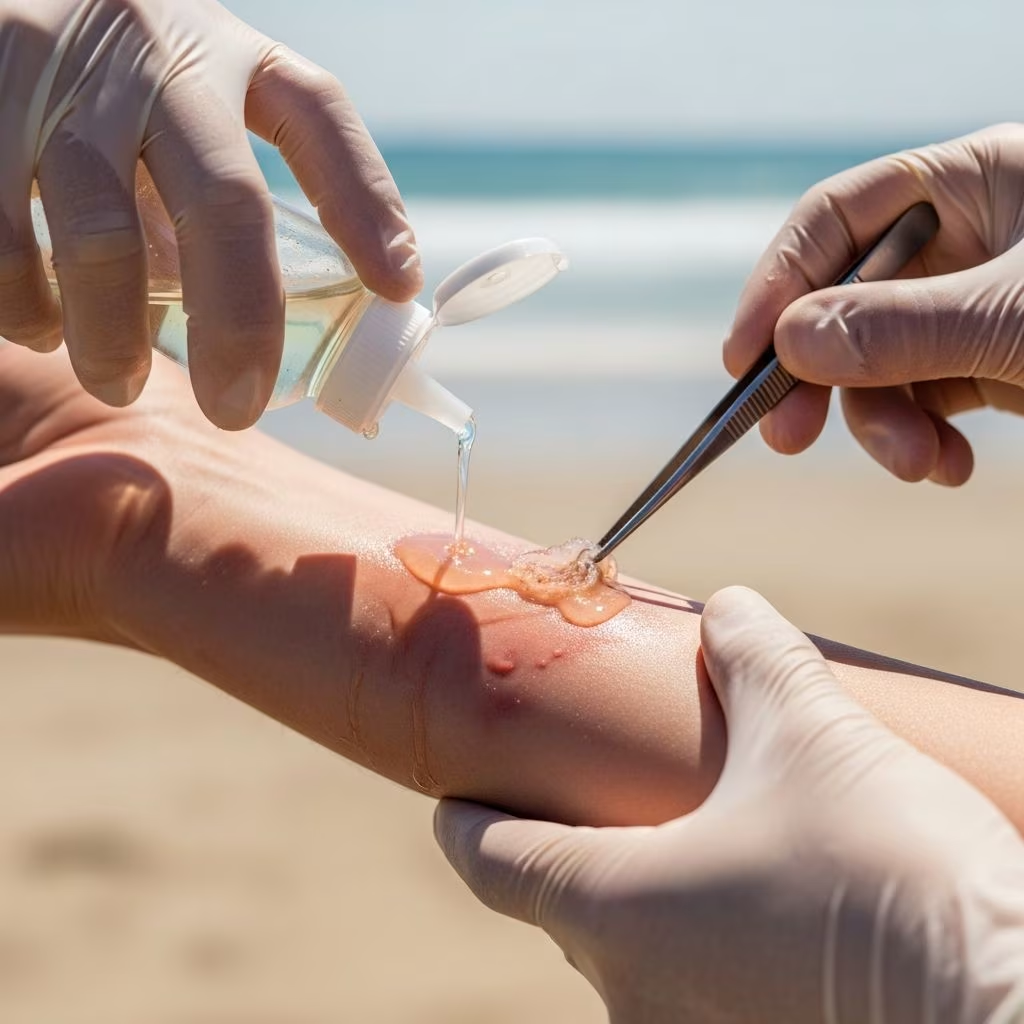
Encountering a jellyfish sting can turn a relaxing beach day into a painful ordeal, but knowing the right response makes all the difference. This guide draws from medical experts to outline effective treatments, debunk myths, and ensure quick recovery.
Jellyfish are gelatinous marine creatures equipped with tentacles containing nematocysts—specialized cells that deliver venom upon contact. These stings cause immediate burning pain, redness, and swelling as the venom triggers an inflammatory response. While most stings are mild, certain species like box jellyfish pose life-threatening risks.
Stings occur when tentacles brush against skin, firing thousands of tiny harpoons loaded with toxins. Factors like water temperature, jellyfish species, and sting location influence severity. Tropical waters often harbor more dangerous varieties, making location awareness crucial for travelers.
Symptoms vary by species but typically include sharp, stinging pain that radiates from the site. Common signs are:
For minor stings, pain peaks within minutes and subsides in hours. Watch for systemic reactions like dizziness or heart palpitations, signaling potential anaphylaxis. Children and those with allergies face higher risks, so monitor closely.
Act swiftly to minimize venom spread and pain. Follow these evidence-based steps supported by health authorities.
If hot water isn’t available, a hot shower or heat pack works. Pain relief can last hours, reducing the need for further intervention.
Not all jellyfish respond to the same remedies—geography and species dictate protocols. Use this table for quick reference.
| Species/Type | Region | Recommended Rinse | Pain Relief |
|---|---|---|---|
| Box Jellyfish | Tropical (e.g., Australia) | Vinegar (deactivates nematocysts) | Hot water after vinegar; CPR if needed |
| Bluebottle | Temperate (e.g., Australia coasts) | Seawater only | Hot water (no vinegar, worsens pain) |
| General/Non-Tropical | Most beaches | Seawater or vinegar | Hot water immersion |
| Portuguese Man-of-War | Atlantic/Pacific | Seawater (avoid vinegar) | Hot water or cold packs |
Always prioritize local warnings; apps or lifeguards provide species-specific advice.
Myths persist despite evidence. Avoid these to prevent worsening the injury:
Commercial sprays like Stingose show mixed results in reviews; stick to proven methods.
After initial treatment, manage lingering discomfort:
Meat tenderizer (papain-based) offers minor relief by breaking down proteins but isn’t first-line. Monitor for infection signs like pus or fever.
Most stings resolve at home, but escalate if:
Hospitals may administer antivenom for box jellyfish, IV pain meds, or tetanus shots. In Irukandji syndrome (from tiny tropical jellyfish), heat rivals opioids for pain control.
Prevention beats treatment. Protect yourself on coastal outings:
Climate change increases jellyfish blooms, so check forecasts via apps like NOAA or local marine services.
Children experience amplified pain and fear. Calm them during treatment; hot water immersion works well even for tiny limbs. Elderly or allergic individuals should carry epinephrine auto-injectors if history suggests risk. Divers/snorkelers: Full-body coverage prevents stings.
What is the fastest way to stop jellyfish sting pain?
Hot water immersion at 42–45°C for 20–45 minutes provides the quickest relief by deactivating venom.
Is vinegar always safe for jellyfish stings?
No—use for box jellyfish but avoid for bluebottles or man-of-war, where it exacerbates pain.
Can jellyfish stings cause long-term damage?
Rarely; most heal without scars, but severe cases may leave marks or trigger allergies.
How long does a jellyfish sting last?
Pain fades in 1–2 hours with treatment; welts may persist days.
Should I pop the blisters from a sting?
No—leave intact to prevent infection; apply cream instead.
Armed with this knowledge, jellyfish stings need not derail your seaside fun. Prioritize seawater rinse, tentacle removal, and hot immersion for optimal outcomes backed by clinical evidence. Stay vigilant, pack smart, and enjoy safer swims.
