

 Travel Essentials
 Travel Essentials

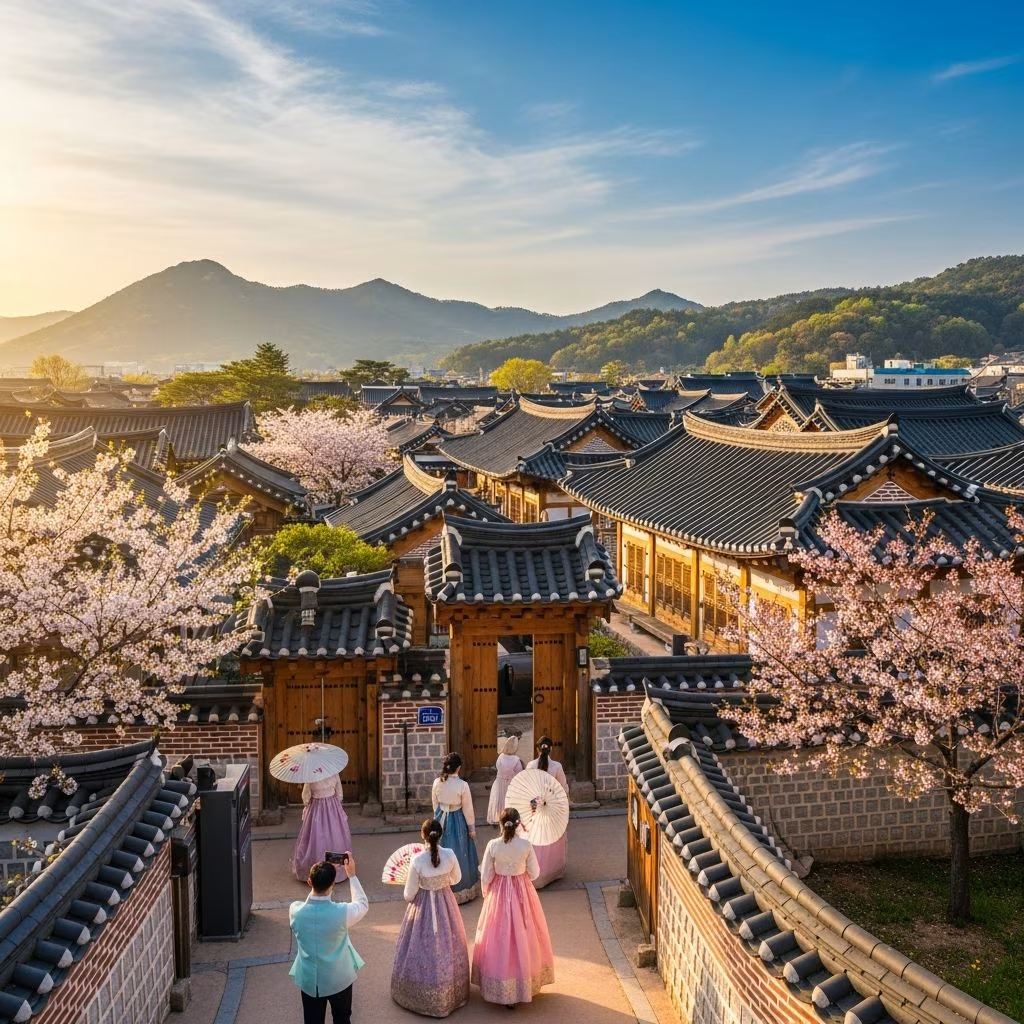
Jeonju captivates visitors with its preserved hanok villages, world-renowned bibimbap cuisine, royal heritage, and vibrant cultural experiences that showcase authentic Korean traditions.
 Travel Essentials
Nestled in the Jeollabuk-do province of South Korea, Jeonju stands as one of the nation’s most compelling destinations for travelers seeking an authentic connection to Korean heritage. This historic city has earned recognition as a UNESCO City of Gastronomy and continues to draw visitors from around the world who wish to experience the essence of Korean culture in a setting that feels both intimate and profoundly rooted in centuries of tradition. Unlike Korea’s sprawling metropolitan centers, Jeonju offers a more measured pace where history breathes through every street corner and cultural significance permeates daily life.
The city’s appeal extends far beyond its picturesque aesthetic. Jeonju represents a living museum where ancient practices coexist with contemporary appreciation for cultural preservation. Whether you’re drawn by architectural wonders, culinary adventures, or spiritual exploration, this destination delivers experiences that resonate long after your visit concludes.
The most visible manifestation of Jeonju’s cultural commitment appears in its traditional residential districts, where approximately 750 hanok structures create an otherworldly atmosphere that transports visitors backward in time. These wooden homes represent more than mere buildings; they embody architectural principles refined over centuries, incorporating design elements that reflect both aesthetic sophistication and practical wisdom adapted to Korea’s climate and lifestyle.
Walking through these neighborhoods reveals the meticulous attention Korean craftspeople devoted to residential design. The distinctive curved tile roofs, wooden lattice windows, and carefully proportioned courtyards showcase principles that prioritized harmony with natural surroundings. Many of these structures employ ondol heating systems, an ingenious floor-based warming method that remains relevant in contemporary Korean homes. This traditional technology represents an early innovation in residential comfort, demonstrating how Korean builders solved heating challenges centuries before modern systems emerged.
Beyond residential architecture, Jeonju preserves significant historical structures that chronicle the city’s prominence. The Pungnammun Gate, standing for over 600 years, survived turbulent periods including Japanese colonization to become an iconic symbol of Jeonju’s resilience. Originally, four directional gates protected the city; today, Pungnammun remains as the sole surviving example, making it an invaluable testament to traditional Korean defensive architecture. Its stone walls, elegant tile roofing, and the distinctive jongru bell tower from the Goryeo dynasty create a photogenic landmark that attracts both historians and casual visitors seeking to understand Korean architectural evolution.
Jeonju’s reputation in Korean cuisine extends beyond mere regional pride; the city holds legitimate claim to being the birthplace of bibimbap. This iconic dish—a harmonious combination of seasoned rice, fresh vegetables, chili paste, and a perfectly cooked egg—has become synonymous with Korean culinary identity. Yet Jeonju’s version transcends standard preparations through the incorporation of mung bean sprout jelly, a local delicacy that distinguishes authentic Jeonju bibimbap from variations served throughout Korea.
The distinction matters because Korean food culture emphasizes regional specialization and authentic preparation. According to local tradition, Koreans recognize that food tastes superior when consumed in its birthplace, and this principle applies with particular force to Jeonju’s gastronomic offerings. The city earned its UNESCO City of Gastronomy designation in 2012, an honor reflecting its commitment to preserving culinary traditions while promoting food culture as central to community identity.
Beyond bibimbap, Jeonju supports a dynamic street food culture that rivals its famous hanok village in popularity, particularly among younger travelers and budget-conscious visitors. These informal eating establishments offer opportunities to sample traditional Korean comfort foods, seasonal specialties, and innovative contemporary interpretations of classical recipes. This gastronomic diversity means visitors can experience multiple facets of Korean cuisine within a compact geographic area, making Jeonju an ideal destination for culinary enthusiasts seeking comprehensive food education.
The connection between Jeonju and Korea’s royal lineage runs deeper than most visitors initially recognize. The city served as the ancestral home of the Yi family, who established the Joseon Dynasty—a ruling house that governed the Korean peninsula for over 500 years. This historical prominence positioned Jeonju as a location of national significance, a status reflected in multiple architectural and spiritual landmarks distributed throughout the city.
The Gyeonggijeon Shrine represents the most direct manifestation of this royal connection, standing as a 15th-century structure constructed specifically to house the portrait of King Taejo, the dynasty’s founder. Located within Gyeonggijeon Palace, this shrine combines spiritual reverence with architectural beauty, set within landscaped grounds featuring bamboo groves and ginkgo trees. The shrine attracts historians, cultural enthusiasts, and pilgrims seeking to connect with Korean royal history in an intimate setting that emphasizes the spiritual dimension of cultural preservation.
For visitors interested in sleeping accommodations that echo royal comfort, Jeonju offers the distinctive experience of remaining overnight in traditional hanok structures converted into guesthouses. This immersive approach to lodging allows contemporary travelers to approximate the residential experience of historical periods, complete with ondol heating and traditional design elements that encouraged floor-sitting and intimate family gatherings.
Jeonju’s evening atmosphere reveals a dimension of Korean culture that transcends tourist attractions. The city cultivates a vibrant nightlife scene that extends beyond conventional entertainment, incorporating traditional beverage culture as a central social activity. Makgeolli, Korea’s traditional unfiltered rice wine, forms the foundation of Jeonju’s evening social landscape, with no fewer than seven dedicated nightlife strips featuring makgeolli bars.
These establishments serve as gathering places where residents across age groups come together around copper kettles, sharing drinks and conversation in settings that feel both informal and deeply traditional. This social ritual demonstrates how Jeonju maintains cultural practices within contemporary contexts, allowing both locals and visitors to participate in traditions that have sustained Korean community bonds across generations. The prevalence of makgeolli culture suggests that visitors who wish to experience authentic evening social interaction should prioritize these venues over imported nightlife formats.
Beyond central Jeonju, surrounding areas offer spiritual and natural experiences that complement urban cultural exploration. Tapsa Temple, situated on the slopes of Maisan Mountain near Jeonju, presents an extraordinary sight featuring eighty stone pagodas that seem to defy gravitational principles. According to historical accounts, a single scholar constructed these towers, a feat that continues to intrigue visitors and scholars seeking to understand the motivations and methods behind this remarkable achievement. The 44-foot Cheonjitap tower stands as the tallest among these structures, creating a visually arresting focal point within the temple grounds.
Soswaewon Garden, constructed in the 16th century, exemplifies traditional Korean garden design principles refined across multiple generations. Built by Soswaegong Yang San-bo as a memorial to his mentor, the garden has remained under family stewardship for fifteen generations, a continuity that reflects deep cultural commitment to preservation and ancestral responsibility. The garden incorporates diverse tree varieties, two ponds, a small waterfall, and a bamboo grove, creating a contemplative environment that encourages visitors to slow down and absorb natural beauty within carefully designed contexts.
| Experience Type | Best For | Duration | Accessibility |
|---|---|---|---|
| Hanok Village Exploration | Photography, cultural immersion | 2-3 hours minimum | Pedestrian-friendly, varied terrain |
| Culinary Tours | Food enthusiasts, cultural learning | 2-4 hours | Guidedtours available |
| Religious Sites | Spiritual seekers, historians | 1-2 hours per location | Some stairs and uneven surfaces |
| Evening Makgeolli Experience | Social cultural participation | 2-3 hours | Accessible venues available |
Jeonju’s reputation as South Korea’s most beloved domestic tourism destination reflects its successful balance between heritage preservation and contemporary visitor accommodation. The city attracts Korean travelers seeking connection to cultural roots, international visitors pursuing authentic experiences, and everyone in between who recognizes that understanding Korea requires engaging with its historical foundations and ongoing cultural practices.
Traveling to Jeonju offers something increasingly rare in our globalized world: the opportunity to experience living history rather than museum representations of past epochs. The city demonstrates that cultural preservation need not mean freezing traditions in time; instead, Jeonju shows how communities can honor ancestral practices while allowing them to evolve through contemporary engagement.
Whether you arrive as a culinary adventurer seeking the definitive bibimbap experience, a history enthusiast drawn to royal heritage sites, an architecture admirer captivated by hanok design, or a cultural explorer seeking authentic social interactions, Jeonju provides substantive engagement with Korean traditions. The city’s compact geography means you can experience its primary attractions within a few days while maintaining a relaxed pace that encourages genuine cultural absorption rather than superficial attraction-checking.
Spring (April-May) and autumn (September-October) offer optimal weather conditions for exploring hanok villages and outdoor attractions. These seasons feature mild temperatures and clear skies ideal for photography and extended walking tours. Summer brings humidity and occasional rain, while winter can be cold but offers quieter crowds.
Two to three days allows adequate time to explore primary attractions including hanok villages, shrine visits, culinary experiences, and evening social activities. Visitors with deeper interests in specific areas like cuisine or history might benefit from extended stays to pursue specialized tours and deeper cultural engagement.
Yes, wearing traditional Korean dress while exploring hanok villages creates a culturally immersive experience that connects you more authentically to the environment. Photography opportunities improve significantly, and local residents often respond more warmly to visitors making visible cultural respect through appropriate dress choices.
Yes, Jeonju offers guided tours with English-language options, though advance booking typically proves necessary. Many establishments cater to international visitors, though learning basic Korean phrases enhances interactions, particularly in smaller establishments and evening venues.
Jeonju bibimbap features mung bean sprout jelly as a distinctive local ingredient that distinguishes it from standard preparations. This addition reflects Jeonju’s culinary innovation and represents the city’s claim as the dish’s birthplace and premier preparation location.
Jeonju represents far more than a picturesque tourist destination; it functions as a living cultural archive where visitors can engage with Korean traditions at depths rarely possible in larger metropolitan areas. The city successfully preserves historical structures, culinary practices, and social traditions while remaining welcoming to international visitors seeking authentic engagement with Korean heritage. By choosing Jeonju as a travel destination, you invest in experiences that deepen your understanding of Korea’s cultural foundation and contribute to the ongoing vitality of communities committed to heritage preservation and cultural education.
