

 Travel Essentials
 Travel Essentials

Comprehensive guide to visiting Jordan during Ramadan, covering travel logistics, cultural etiquette, local experiences, and practical tips for tourists.
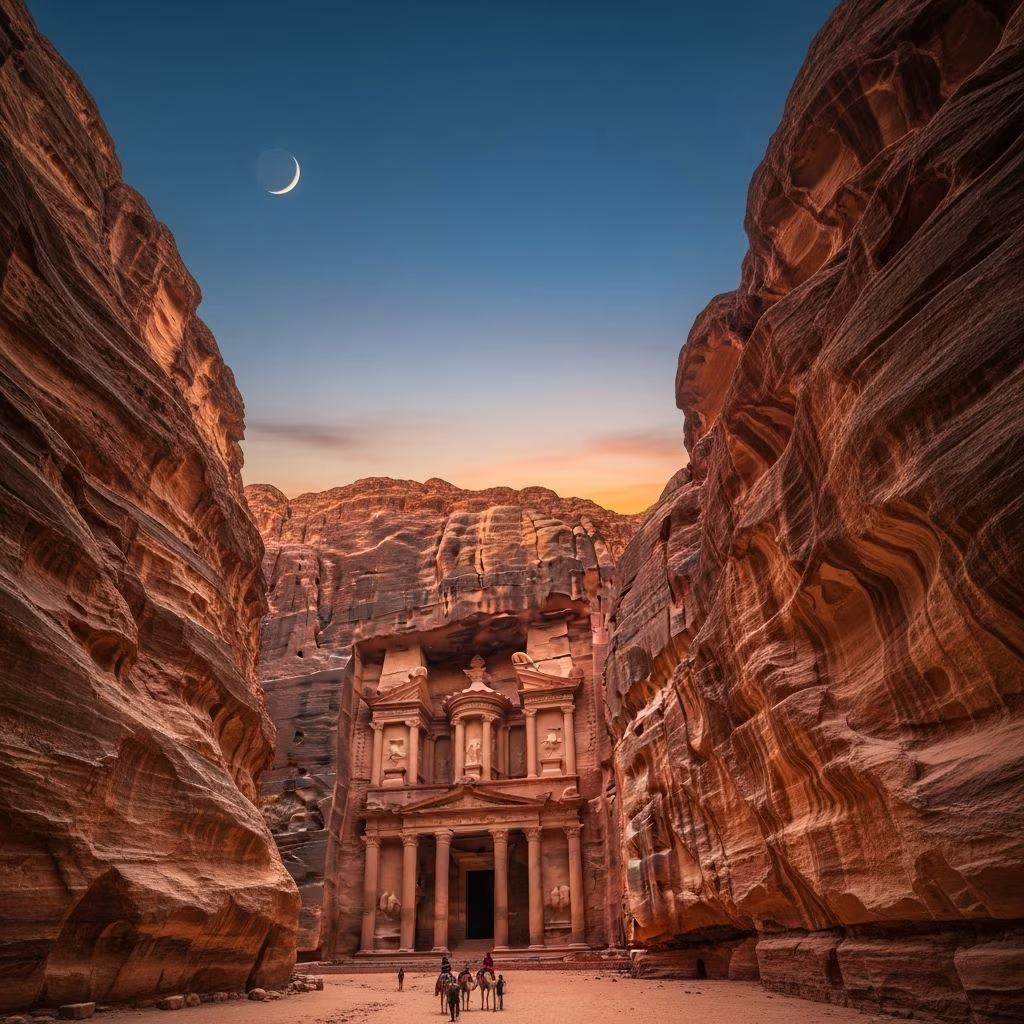 Travel Essentials
Journeying to Jordan during Ramadan presents a distinctive opportunity to witness one of the world’s most significant spiritual observances firsthand. Unlike many destinations that transform during religious holidays, Jordan maintains its appeal to international visitors while simultaneously celebrating a profound cultural moment. The contrast between the serene daytime atmosphere and the vibrant evening energy creates an experience that differs markedly from other times of the year. This guide provides essential information for travelers seeking to explore Jordan respectfully during this holy period.
Ramadan represents the ninth month of the Islamic lunar calendar, a time when Muslims worldwide engage in fasting from dawn until dusk as a spiritual discipline. The observance carries profound religious significance, emphasizing self-reflection, charitable giving, and community connection. In Jordan, the daily rhythm transforms entirely based on this fasting schedule, creating distinct periods throughout each twenty-four-hour cycle.
The day begins before sunrise with suhoor, a preparatory meal consumed to sustain those who will fast. Following the dawn prayer, Muslims refrain from consuming food, water, and other sustenance until sunset. This fasting period demands physical and mental discipline, leading many locals to reduce their activity levels during daylight hours. Afternoon rest periods are common as individuals conserve energy and prepare spiritually for the evening ahead. Once the sun sets, iftar commences—the breaking of the fast with a meal typically shared among family members and community. Evening hours extend well into the night, with many people remaining active until the early morning hours.
Understanding how businesses adapt during Ramadan helps travelers plan effectively. Many establishments maintain modified schedules rather than closing entirely, though the changes vary by sector and location type.
One primary concern for many travelers involves whether major sites remain accessible during Ramadan. Jordan’s tourism infrastructure demonstrates resilience during this period, with most iconic destinations remaining open. However, hours vary from standard operating times, necessitating advance planning.
Primary Archaeological Sites During Ramadan:
These extended early morning hours at some sites, particularly Petra, allow visitors to begin exploration during cooler temperatures. Contacting tour operators substantially in advance ensures guides remain available and accommodations are properly arranged.
Successful travel during Ramadan requires specific logistical considerations distinct from standard tourism visits. Preparation enhances both comfort and cultural respect.
Essential Items and Considerations:
Demonstrating respect toward local traditions significantly enhances the travel experience and fosters positive interactions with Jordanian communities. Several key principles guide appropriate visitor behavior during Ramadan.
Fundamental Respect Principles:
These behaviors reflect basic courtesy while signaling respect for a deeply significant religious observance. Most locals appreciate visitors who demonstrate genuine interest in understanding Ramadan’s cultural context.
Participating in iftar represents perhaps the most meaningful cultural engagement available to visitors. This meal, shared at sunset, embodies the communal spirit central to Ramadan observance. Hotels frequently host iftar events welcoming both guests and locals, creating diverse gathering spaces.
Iftar Experience Elements:
Accepting invitations to community or family iftars, when offered, provides extraordinary insight into daily life and values. Many Jordanians express genuine pleasure when visitors engage respectfully with their traditions.
As sunset arrives, Jordan’s urban landscapes undergo dramatic transformation. The daytime quietness gives way to energetic streets filled with shoppers, diners, and celebrants. This evening activation presents opportunities distinct from standard tourism experiences.
Evening Activities and Attractions:
Jordan’s retail landscape offers diverse shopping experiences enhanced by Ramadan’s festive atmosphere. Major shopping destinations maintain operations while introducing seasonal offerings.
Key Shopping Destinations During Ramadan:
| Location | Character | Best For |
|---|---|---|
| Downtown Amman (Al Balad) | Traditional market atmosphere | Clothing, accessories, traditional crafts, local sweets |
| Rainbow Street | Modern boutique environment | Contemporary art, unique items, trendy merchandise |
| Souk Jara | Weekly artisan market | Handmade crafts, antiques, street food |
| Al Abdali Boulevard | Modern shopping complex | International brands, local boutiques, dining |
| City Mall, Mecca Mall, Taj Mall | Contemporary shopping centers | Wide product range, special promotions |
| Madaba Souks | Historical crafts markets | Local artisan products, regional specialties |
These venues actively celebrate Ramadan with decorations, themed merchandise, and extended evening hours. Shopping during evenings captures the most vibrant atmosphere when crowds gather for leisure activities.
Jordan’s religious heritage encompasses numerous significant sites welcoming respectful visitors. Ramadan provides particular opportunities to observe Islamic prayer traditions and architectural beauty.
Visiting Mosques and Religious Spaces:
Observing prayer customs without participation demonstrates cultural awareness. Many visitors report profound emotional reactions to witnessing the collective spiritual devotion during Ramadan’s evening prayers.
Yes, Jordan’s primary tourist attractions remain operational during Ramadan. Most sites maintain normal accessibility while observing adjusted hours. Sites such as Petra, Wadi Rum, and archaeological museums function regularly, though checking specific opening times with tour operators prevents scheduling complications.
No mandatory dress code exists for tourists. However, respectful dress—avoiding low-cut garments, bare shoulders, and very short clothing—reflects cultural sensitivity. Religious site visits require women to cover hair and neck. Resort and private beach areas allow more casual attire.
Technically permitted, public eating during fasting hours appears disrespectful to observant Muslims. Discretion in consuming food and beverages during daylight demonstrates cultural awareness, even when technically allowed.
Water-based activities continue throughout Ramadan. Visitors should verify schedules with local operators, as some may adjust hours or availability. The Dead Sea remains accessible for floating, swimming, and spa services.
Advance planning compensates for shorter operating hours. Contact hotels, tour operators, and attractions several days before arrival to confirm availability. Building schedule flexibility into itineraries accommodates unexpected adjustments.
Heat exposure during warmer months requires diligent hydration and sun protection. Scheduling strenuous activities early in the day, before peak temperatures, prevents exhaustion. Carrying water and light snacks maintains energy levels throughout the day.
Jordan maintains its reputation as a relatively safe destination during Ramadan. The spiritual focus and family-oriented atmosphere actually create peaceful conditions in many areas. Standard travel precautions apply, including awareness of surroundings and securing valuables. Evening activities continue safely with normal urban precautions.
Travelers approaching Ramadan with genuine cultural curiosity gain advantages over those viewing it as an obstacle. Embracing the distinctive rhythms rather than resisting them transforms the visit into something memorable and enriching. Following local examples—joining evening activities, participating in cultural events, and showing appreciation for traditions—creates authentic connections.
The convergence of spiritual devotion, community emphasis, and festive celebration during Ramadan provides Jordan visitors with unparalleled cultural exposure. Whether exploring historic sites during quieter daytime hours or engaging with evening social activities, the experience transcends typical tourism to offer genuine immersion in Middle Eastern life.
