

 Travel Essentials
 Travel Essentials

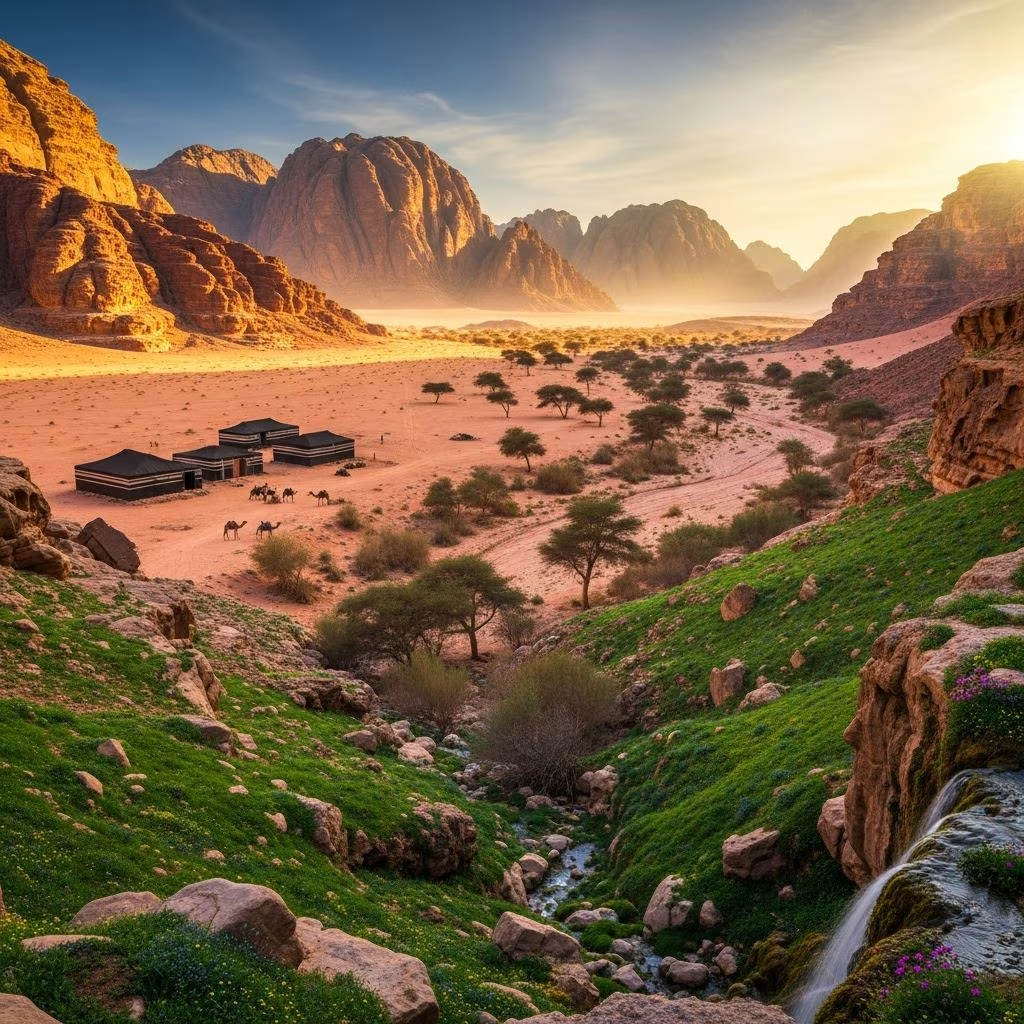
Explore Jordan's top nature reserves, including Dana Biosphere, Wadi Mujib, Ajloun Forest, and more, with hiking, wildlife spotting, and eco-adventures amid diverse ecosystems.
 Travel Essentials
Jordan boasts an impressive network of nature reserves that protect diverse ecosystems ranging from towering cliffs and deep canyons to lush forests and desert wetlands. Managed primarily by the Royal Society for the Conservation of Nature (RSCN), these areas offer visitors unparalleled opportunities for hiking, wildlife observation, and cultural immersion while contributing to conservation efforts. With over a dozen reserves covering varied terrains, they represent Jordan’s commitment to preserving its natural heritage amid a landscape famous for ancient ruins and modern adventures.
Jordan’s nature reserves span approximately 1% of the country’s land, yet they safeguard critical biodiversity hotspots. Established starting in the late 1970s, these protected zones host endangered species, unique geological formations, and rare plant life. Dana Biosphere Reserve stands as the largest at 320 square kilometers, while others like Dibeen Forest Reserve are compact at just 8.5 square kilometers. Key reserves include forested highlands in the north, dramatic rift valleys in the center, and arid steppes in the east, providing microclimates that support hundreds of bird species, mammals, and flora.
Visitors can engage in guided treks, camping, and educational programs, with entry fees supporting local communities and conservation. The RSCN emphasizes sustainable tourism, ensuring these sites remain pristine for future generations.
Nestled in southern Jordan near Tafila Governorate, Dana Biosphere Reserve spans from mountain peaks overlooking the Jordan Valley to the arid Wadi Araba desert. As Jordan’s largest protected area, it encompasses rugged mountains, deep wadis, and expansive plains, fostering habitats for nearly 200 bird species, most of Jordan’s mammals—including ibex, gazelles, wolves, and the endangered sand cat—and over 700 plant varieties.
The reserve’s dramatic sandstone cliffs create diverse microclimates, making it a paradise for hikers. Iconic trails like the Dana to Feynan path, one of the Middle East’s most scenic, wind through valleys and plateaus, offering multi-day treks with overnight camping under starlit skies. Birdwatchers flock here for raptors and migratory species, while eco-lodges provide comfortable bases for exploring medicinal plants and archaeological sites.
Dana exemplifies successful community-based conservation, where local Bedouin families manage tourism initiatives.
Carved by the Great Rift Valley, Wadi Mujib Biosphere Reserve lies between the Dead Sea and Karak, starting at 410 meters below sea level—the lowest nature reserve globally. This “Grand Canyon of Jordan” features steep gorge walls, seasonal rivers, and over 300 plant species, alongside mammals like the Nubian ibex and caracal, plus abundant birdlife.
Adventure seekers thrive on canyon trails involving swimming, canyoneering, and climbing through waterfalls. Marked routes from the reception center lead to hilltops or deep into the gorge, with stylish chalets offering Dead Sea vistas for extended stays. Water flows year-round in parts, creating lush oases amid arid surroundings.
| Trail Name | Duration | Highlights |
|---|---|---|
| Siq Trail | 1-2 hours | Narrow slot canyon with pools. |
| Mujib Gorge | 5-7 hours | Waterfalls, rappelling sections. |
| Hill Trails | 2-4 hours | Panoramic views, easier access. |
Open seasonally due to flash flood risks, it’s ideal for fit adventurers.
In northwest Jordan near Jerash and Ajloun Castle, this 13-square-kilometer reserve contrasts the nation’s deserts with oak and pistachio-studded hills. Established in 1988, it shelters roe deer, wild boar, jackals, foxes, hyenas, squirrels, porcupines, and wolves in a Mediterranean-like setting.
Short, well-maintained trails suit families and birders, revealing strawberry trees and evergreen forests—a vital green lung. Visitor centers offer insights into reforestation efforts, with ziplines adding thrill.
Located 120 km east of Amman in the eastern Badia, Shaumari pioneered reintroduction of the Arabian oryx, once near-extinct due to hunting. This reserve protects gazelles, houbara bustards, and ostriches in open desert.
Safari tours in 4×4 vehicles bring visitors close to herds, complemented by photography hides and educational centers. Camping enhances the starry-night experience.
Jordan’s only wetland, in the northeast at 12 square kilometers since 1978, Azraq sustains migratory birds amid shrinking oases. Rehabilitation projects restore this vital stopover. Activities include boardwalk strolls and bird hides.
Dibeen Forest Reserve: The smallest at 8.5 square kilometers, near Ajloun, focused on pine forests and endangered flora.
Fifa Nature Reserve: Southwest near the Dead Sea, protecting palm oases and springs.
Aqaba Marine Park: Jordan’s marine gem with coral reefs, 150 fish species, turtles, and year-round diving.
Burqu Nature Reserve: Vast 906-square-kilometer steppe in the northeast, ideal for remote exploration.
Most reserves require RSCN permits; book guides via visitor centers. Best seasons: spring (March-May) for wildflowers, autumn (September-November) for mild weather. Pack water, sturdy shoes, and sun protection. Combine with Petra or Dead Sea trips. Sustainable practices: stick to trails, support local lodges.
These reserves have reintroduced species like oryx and bolstered populations of ibex and bustards. Tourism funds anti-poaching and habitat restoration. Visitors aid by minimizing waste and respecting wildlife distances.
Spring and autumn offer comfortable temperatures and peak wildlife activity, avoiding summer heat and winter rains.
Required for some trails like Wadi Mujib’s canyoneering; recommended elsewhere for safety and insights.
Yes, Ajloun and Azraq have easy trails; check age limits for adventure activities.
Ajloun and Shaumari are day trips; Dana and Mujib need 3-4 hours by car or organized tours.
Oryx in Shaumari, ibex in Dana/Mujib, birds everywhere, plus foxes and deer in forests.
