

 Travel Essentials
 Travel Essentials

Explore the 650km Jordan Trail: thru-hike or section hikes through deserts, mountains, ancient sites like Petra, with Bedouin encounters and sustainable travel tips.
 Travel Essentials
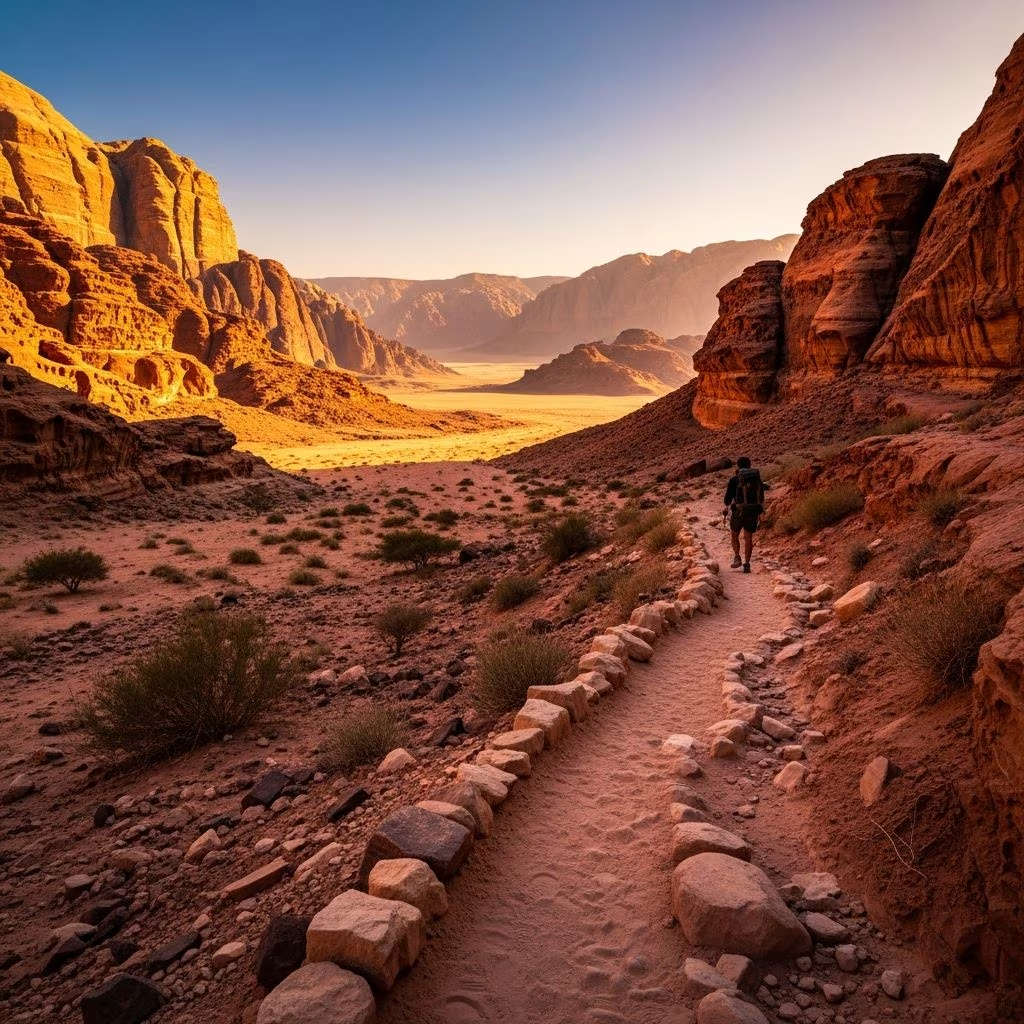
The Jordan Trail stands as one of the Middle East’s premier long-distance hiking routes, stretching approximately 650 kilometers from the verdant hills of Umm Qais in the north to the sun-kissed shores of Aqaba on the Red Sea in the south. Established around 2017, this trail revives ancient pathways used by traders, pilgrims, and nomads, offering hikers an immersive journey through Jordan’s multifaceted terrain—from lush valleys and dramatic canyons to arid deserts and iconic archaeological treasures. Whether attempting the full thru-hike, which demands 40-60 days of endurance, or savoring shorter segments, the trail promises unparalleled encounters with Bedouin communities, breathtaking vistas, and a profound connection to Jordan’s cultural heritage.
The concept of the Jordan Trail emerged from efforts to promote sustainable tourism and connect remote communities. Pioneered by local adventurers and organizations like Experience Jordan, the route was formalized in 2015-2017, linking existing paths into a cohesive network. Hikers traverse landscapes that evoke otherworldly scenes, fostering slow travel that prioritizes presence and interaction with locals. This initiative not only boosts rural economies through homestays and guiding services but also challenges perceptions of the region by showcasing its hospitality and natural splendor.
Historically, these paths facilitated trade and migration, weaving through sites of biblical, Roman, and Nabataean significance. Today, the trail’s development involved mapping by experts like Tony Howard, ensuring safe passage while preserving the environment.
Spanning north to south, the Jordan Trail divides into 52 stages, adaptable for various fitness levels. It begins in Umm Qais, with its Greco-Roman ruins overlooking the Sea of Galilee, transitioning through fertile plains, crusader castles, and the Jordan Valley. Midway, hikers enter the rugged Dana Biosphere Reserve, Jordan’s largest protected area, before reaching the rose-hued canyons en route to Petra. The southern half plunges into the fiery deserts of Wadi Rum, culminating at Aqaba’s coastal trails.
For those short on time, select segments capture the trail’s essence. Here’s a breakdown of standout routes:
| Section | Distance/Days | Highlights | Difficulty |
|---|---|---|---|
| Dana to Petra | 80km / 5-7 days | Canyons, Bedouin camps, Petra entry | Moderate-Strenuous |
| Petra to Wadi Rum | 100km / 7 days | Sandstone mountains, desert wild camping | Strenuous |
| Wadi Rum to Aqaba | 70km / 4-5 days | Dunes, Red Sea finish, coastal paths | Moderate |
| Umm Qais to Jerash | 40km / 2-3 days | Ancient ruins, valleys | Easy-Moderate |
The Dana to Petra leg reigns supreme, blending the Dana Biosphere’s biodiversity—home to ibex, eagles, and over 200 bird species—with the dramatic descent into Feynan’s copper mines and the final ascent to Petra’s Treasury. Trekkers camp under stars, share meals with Bedouins, and witness sunrise over rose-red cliffs. Petra to Wadi Rum offers wild desert immersion, passing through Siq trails and jebel formations.
Thru-hiking requires meticulous preparation. Obtain permits via the Jordan Trail Association or apps like the official Jordan Trail GPS map. Public buses connect trailheads, while local guides (mandatory in some protected areas) provide navigation and cultural insights. Budget JD50-100 daily for food, stays, and fees.
Best Seasons: Spring (March-May) for wildflowers and mild temps (15-25°C); Autumn (Sept-Nov) to avoid summer heat (40°C+). Winters bring rain but fewer crowds.
Gear Essentials:
Homestays in villages like Dana or Feynan offer authentic meals—mansaf (lamb with yogurt rice)—and showers, alternating with bivouacs. Women hikers report safe, welcoming experiences with modest dress advised.
Jordan’s trail showcases ecosystems from Mediterranean maquis to Saharan scrub. Dana hosts 700+ plant species, including rare orchids; Wadi Rum features acacia groves amid granite inselbergs. Wildlife includes Nubian ibex, foxes, and birds like Tristram’s serin. Practice Leave No Trace: pack out waste, stick to paths to prevent erosion.
The trail promotes conservation via community-led projects, funding reforestation and anti-poaching.
Interactions with Bedouins—descendants of nomadic herders—form the trail’s soul. Share zarb (underground-cooked feasts), learn goat-herding, or hear oral histories around campfires. Sites like Little Petra, Crusader-era Shobak Castle, and Roman aqueducts punctuate the path, revealing layers of Nabataean ingenuity and Islamic history. Slow pace dismantles stereotypes, revealing Jordanian warmth.
Expect heat exhaustion, rocky scrambles, and water scarcity—scout sources via apps. Wildlife risks are low, but flash floods in wadis demand caution. Solo female hikers thrive with groups or guides.
Tips:
Shorter northern sections yes; full trail or Dana-Petra requires fitness. Start with guided day hikes.
JD30-150/day including guides, food, transport. Thru-hike: JD3,000-5,000 total.
Recommended; required in reserves. Find via Jordan Trail site.
Wild bivouacs allowed; use designated sites near villages.
Sparse; filter from springs, buy in towns. Carry ample.
Beyond physical triumphs, the trail transforms perspectives—on resilience, simplicity, global interconnectedness. It’s sustainable adventure funding communities, preserving heritage amid modernity. Join thousands who’ve walked it, from solo trekkers to families, emerging changed. Plan your section; the desert awaits.
