 Stays
StaysStays
Joshua Tree Camping Guide: Reservations, Gear & Safety Tips
Comprehensive guide to camping in Joshua Tree National Park: campground options, reservations, backcountry rules, gear essentials, and seasonal tips for an unforgettable desert escape.
 Stays
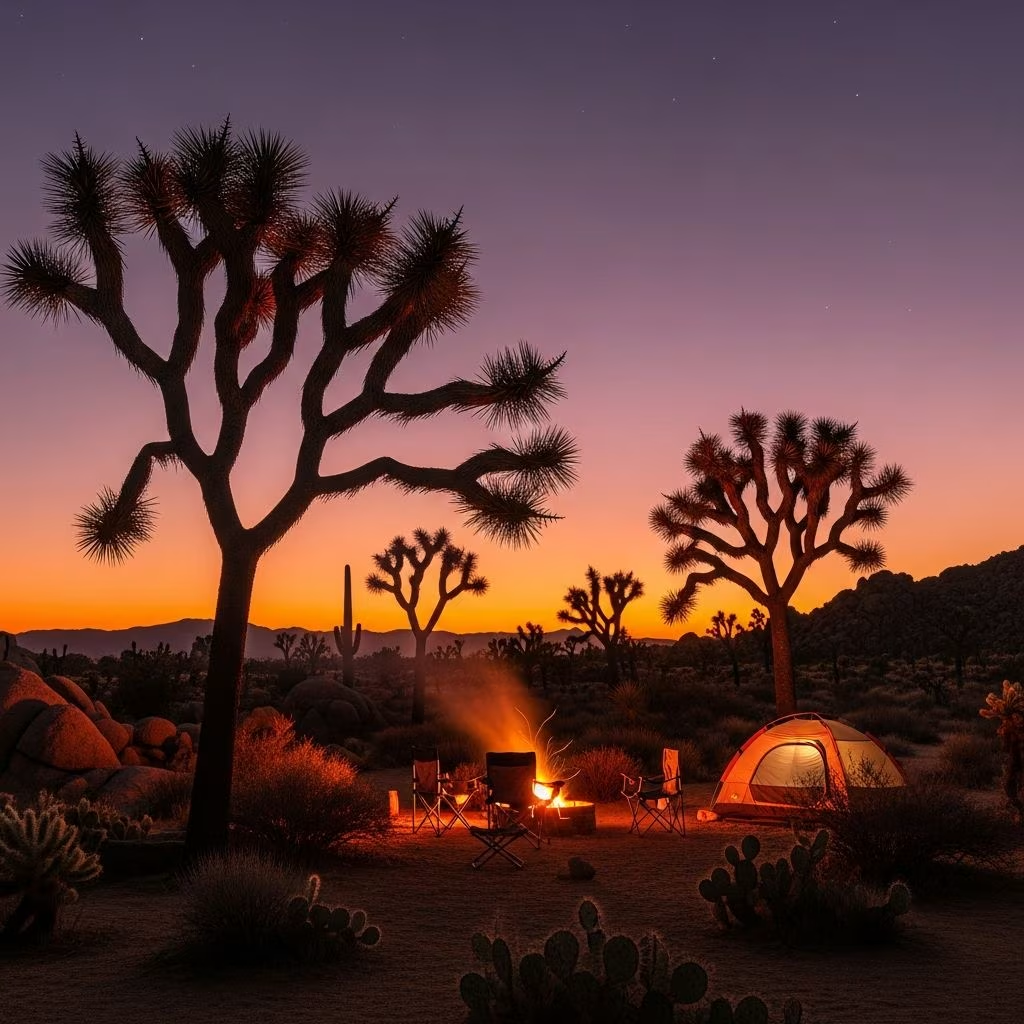
StaysJoshua Tree National Park offers unparalleled opportunities for campers seeking solitude amid iconic Joshua trees, massive boulder formations, and vast desert expanses. This guide equips you with everything needed to secure a spot, set up responsibly, and immerse yourself in this unique Mojave-Colorado Desert transition zone.
Prime Seasons for Desert Camping
The optimal windows for camping in Joshua Tree span fall through spring, specifically October to May, when temperatures remain mild. Daytime highs average 60-80°F (15-27°C), with crisp nights dropping to 40°F (4°C) or lower—perfect for stargazing under some of the darkest skies in Southern California.
- Spring (March-May): Wildflowers bloom, drawing crowds; arrive early for sites.
- Fall (October-November): Balanced weather, fewer visitors post-summer.
- Winter (December-February): Cool days, potential rain; monitor flash flood risks.
Summer (June-August) brings extreme heat exceeding 100°F (38°C), limiting activities to dawn and dusk. Some campgrounds close seasonally, and heat exhaustion poses serious risks—avoid unless acclimated.
Navigating Campground Reservations and Availability
Joshua Tree features eight developed campgrounds plus three group areas, totaling over 500 sites. Most require advance bookings via recreation.gov, up to six months ahead, especially for peak weekends. Fees range $25-35/night; no RV hookups anywhere in the park.
First-come, first-served options fill rapidly—target mornings (9am-noon) post-checkout. They’re competitive September-May, often full by Friday afternoons.
Reservation-Required Campgrounds
| Campground | Sites | Fee/Night | Elevation (ft) | Amenities |
|---|---|---|---|---|
| Black Rock | 99 | $35 | 4,000 | Water, flush toilets, dump station |
| Cottonwood | 62 | $35 | 3,000 | Water, flush toilets, dump station |
| Indian Cove | 101 | $35 | 3,200 | Pit toilets; no water |
| Jumbo Rocks | 124 | $30 | 4,400 | Pit toilets; boulder views, Joshua trees |
| Ryan | 31 | $30 | 4,300 | Pit toilets |
Book via recreation.gov or 1-877-444-6777. Jumbo Rocks suits larger groups/RVs with spacious pads near Skull Rock.
First-Come, First-Served Gems
- Hidden Valley (44 sites, $25): Year-round at 4,200 ft; central for climbing/hiking.
- Belle (18 sites, $25): Seasonal; intimate desert feel.
- White Tank (15 sites, $25): Seasonal; boulders, stargazing; RV-friendly (25-ft max).
To claim: Set up tent/items, register/pay at entrance within 1 hour (morning if after-hours). Late arrivals risk eviction.
Embarking on Backcountry Adventures
For true wilderness immersion, backcountry camping allows dispersed sites beyond developed areas. Park at one of 13 designated lots (e.g., Black Rock, Cottonwood, Juniper Flats), obtain a free permit from the iron ranger box, and hike out.
Key rules:
- Hike minimum 1 mile from road.
- Camp 500 ft (100 m) from trails/water sources; 1 mile from day-use areas.
- No dogs, fires, or wood collection—use established sites.
- Display yellow permit on pack; vehicle permit on dashboard.
No water sources exist; carry 1 gallon/person/day minimum. Pets prohibited on trails/backcountry.
Essential Gear for Joshua Tree’s Harsh Environment
Pack for temperature swings, aridity, and rugged terrain. Prioritize lightweight, durable items adhering to Leave No Trace principles.
- Shelter: Freestanding tent (3 max/site); no hammocks/slacklines in campgrounds—tie to rocks/bolts only.
- Sleep: 20°F-rated bag, foam/inflatable pad (ground cold).
- Water/Hydration: Collapsible jugs, purification tablets; refill at visitor centers.
- Cooking: Stove only (no fires outside rings); bear-proof storage unnecessary but secure food from ravens/coyotes.
- Other: Headlamp, layers (fleece/puffy), sun protection (hat, SPF 50+), first-aid (blister kit, tweezers for cacti).
Follow Plan Ahead and Prepare: Check weather, inform others of itinerary.
Safety Protocols in the Desert Wilds
Joshua Tree’s beauty hides hazards: dehydration, heat stroke, flash floods, rattlesnakes, and rockfall. Cell service spotty—carry maps/GPS.
- Hydration: Drink preemptively; urine should be clear.
- Weather: Avoid slot canyons during rain; monsoons rare but fierce.
- Wildlife: Store food in vehicle/approved containers; maintain 100 ft from animals.
- Navigation: Trails faint; download offline maps (e.g., AllTrails).
Quiet hours: 10pm-6am. No music generators; respect neighbors.
Alternatives When Park Sites Are Full
High demand means weekends book solid. Options include:
- BLM Dispersed: Free outside park (e.g., Edison Powerline Rd south); no fires, pack out waste, stick to roads.
- Private Campgrounds: Joshua Tree town offers hookups/showers.
- Gateway Lodging: Twentynine Palms, Yucca Valley hotels/Airbnbs.
No roadside sleeping/pullouts—citations issued.
Leave No Trace Mastery
Preserve Joshua Tree’s fragility:
- Travel on durable surfaces; camp on previous sites.
- No firewood gathering—bring/pack out; stoves preferred.
- Pack all trash; bury human waste 6-8 inches deep, 200 ft from water.
- Don’t attach to vegetation; no feeding wildlife.
Daytime Pursuits from Your Campsite
Basecamp for:
- Hiking: Hidden Valley loop, Ryan Mountain summit.
- Climbing: Jumbo Rocks, Indian Cove walls.
- Stargazing: White Tank’s dark skies; check ranger programs.
BYOW (Bring Your Own Water)—no guarantees inside.
Frequently Asked Questions
Can I bring my dog camping?
Dogs allowed in campgrounds on leash but prohibited on trails/backcountry. No pets in wilderness.
Are campfires permitted in backcountry?
No—fires only in campground rings. Use stoves; no wood collection.
How far in advance should I reserve?
Up to 6 months; book early for weekends/spring. First-come sites: arrive by noon.
Is there water at all campgrounds?
Only Black Rock/Cottonwood; others pit toilets only. Fill up beforehand.
What if campgrounds are full?
Try BLM dispersed, private sites, or nearby towns. No roadside camping.
Pro Tips from Seasoned Campers
- Arrive midweek for better odds.
- Monitor recreation.gov for cancellations.
- Layer for 40°F nights; windproof jacket essential.
- Download NPS app for real-time updates.
References
- Camping Guide for Joshua Tree National Park — Joshua Tree Guide. Accessed 2026. https://www.joshuatree.guide/camping
- Campgrounds – Joshua Tree National Park — U.S. National Park Service (nps.gov). Accessed 2026. https://www.nps.gov/jotr/planyourvisit/campgrounds.htm
- Joshua Tree Camping Guide — The Eager Traveler. 2023-06-07. https://theeagertraveler.com/joshua-tree-camping/
- Backpacking in Joshua Tree: Tips for Wilderness Camping — A Rambling Unicorn. Accessed 2026. https://aramblingunicorn.com/backpacking-in-joshua-tree/
- A Guide to Joshua Tree Campgrounds — Nattie on the Road. 2019-06-07. https://nattieontheroad.com/2019/06/07/a-guide-to-joshua-tree-campgrounds/
- Plan Like a Park Ranger: Top 10 Tips — U.S. National Park Service (nps.gov). Accessed 2026. https://www.nps.gov/articles/000/jotrtop10.htm
On This Page
Prime Seasons for Desert Camping Navigating Campground Reservations and Availability Embarking on Backcountry Adventures Essential Gear for Joshua Tree's Harsh Environment Safety Protocols in the Desert Wilds Alternatives When Park Sites Are Full Leave No Trace Mastery Daytime Pursuits from Your Campsite Frequently Asked Questions Pro Tips from Seasoned Campers← Previous
Sustainable Travel Tips: How to Explore Responsibly
Next →
How to Travel with Your Parents as an Adult
Related Reading