

 Travel Essentials
 Travel Essentials

Kahaluu Beach Park in Oahu, Hawaii, ranks as the most contaminated beach in the USA with 92% failed water samples. Learn causes, health risks, and safety measures amid ongoing pollution challenges.
 Travel Essentials
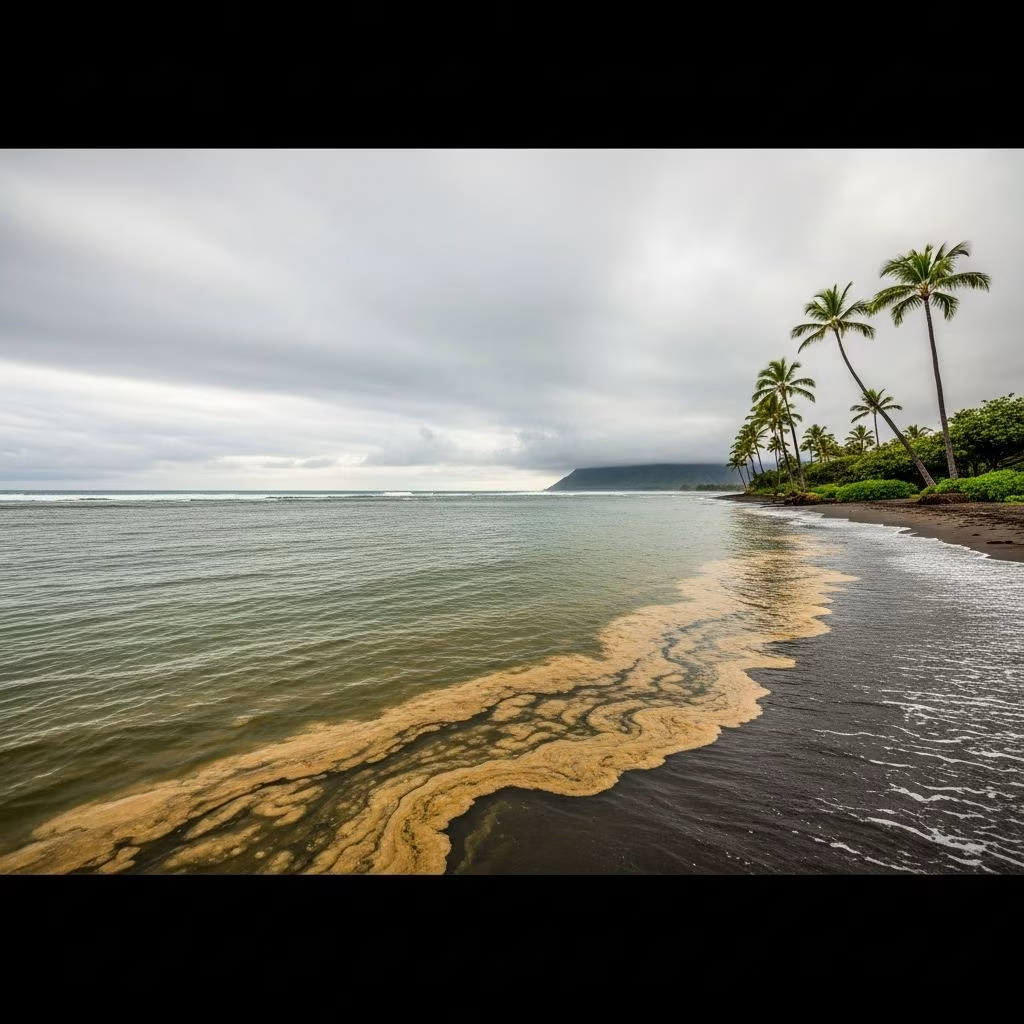
Kahaluu Beach Park on Oahu’s Kona Coast stands out as a stunning tropical paradise, yet it has earned the unwelcome title of the most contaminated beach in the United States. Recent reports reveal that 92% of water samples here failed to meet state health standards for safe recreation. This high failure rate stems from persistent bacterial pollution, primarily driven by stormwater runoff and wastewater issues, posing significant risks to swimmers and snorkelers who flock to its turquoise waters.
The beauty of Kahaluu Beach masks a serious environmental health concern. Nestled in Kanehoe Bay, this popular spot attracts thousands for its vibrant marine life and calm snorkeling conditions. However, beneath the surface, elevated enterococci bacteria levels—indicators of fecal contamination—make it unsafe far more often than not. The Surfrider Foundation’s 2024 Clean Water Report pinpointed Kahaluu as the nation’s worst offender, with failures in 92% of tests.
These bacteria originate from human and animal waste carried by runoff from nearby uphill neighborhoods. Leaking cesspools, septic systems overwhelmed during heavy rains, and urban stormwater surges channel pollutants directly into the bay. Even on clear days, residual contamination lingers, as contaminated water often appears pristine to the naked eye.
Exposure to high bacteria levels at beaches like Kahaluu can lead to a range of illnesses. The U.S. Environmental Protection Agency (EPA) identifies gastrointestinal issues as the primary threat, including nausea, vomiting, stomach cramps, diarrhea, headaches, and fever. Other common problems encompass skin rashes, ear infections, respiratory issues, and eye or throat irritations.
Vulnerable groups face heightened dangers: children, the elderly, pregnant individuals, and those with compromised immune systems. Swallowing even small amounts of water or contact through open wounds amplifies risks. Recent state monitoring detected levels as high as 1,013 colony-forming units per 100 milliliters—well above safe thresholds—prompting retesting by the Hawaii Department of Health.
| Illness Type | Symptoms | Common Causes |
|---|---|---|
| Gastrointestinal | Nausea, vomiting, diarrhea, fever | Swallowing contaminated water |
| Skin/Soft Tissue | Rashes, infections | Contact with polluted waves |
| Respiratory/Ear | Infections, irritation | Aerosolized water droplets |
Hawaii’s tropical climate exacerbates these issues, with frequent rains accelerating pollutant transport to beaches. Kahaluu’s enclosed bay geography traps contaminants, preventing natural flushing.
Kahaluu is not an isolated case. The 2024 report ranks Waikomo Stream at Koloa Landing on Kauai second nationally, with 90% sample failures. Other Oahu and Big Island sites frequently exceed limits, highlighting statewide vulnerabilities. The Hawaii Department of Health’s Clean Water Branch conducts routine testing, issuing advisories when levels surpass 130 MPN/100mL for enterococci.
Despite natural beauty drawing millions annually, Hawaii beaches average higher contamination rates than mainland U.S. sites. Community efforts, including Surfrider’s Blue Water Task Force, provide critical data to drive improvements.
State agencies actively track water quality. The Hawaii DOH uses automated systems and weekly sampling at high-risk parks like Kahaluu. When exceedances occur, as in the recent 1,013 MPN/100mL reading, immediate retesting follows, with updates posted online. Visitors should check hawaiibeachsafety.com for real-time advisories.
Local governments invest in cesspool conversions to sewer systems and green infrastructure like rain gardens to filter runoff. Nonprofits advocate for stricter regulations, but progress lags behind tourism pressures.
Smart precautions allow safer visits without forgoing Hawaii’s allure:
Look for red flags or advisory signs posted by lifeguards. Apps like the Surfrider Beach Water Quality tool offer sample results nationwide.
Addressing root causes requires multifaceted action. Upgrading to advanced onsite wastewater systems statewide could eliminate thousands of leaking cesspools. Enhanced stormwater management, including permeable pavements and retention basins, would capture pollutants pre-beach.
Public education campaigns urge residents to properly dispose of pet waste and minimize fertilizer use. Tourism operators promote responsible practices, like no-rinse zones. Collaborative initiatives between government, NGOs, and communities show promise, with some beaches seeing 20-30% improvement post-intervention.
Visitors contribute by supporting eco-friendly tours and reporting illegal dumping. Sustained funding for monitoring ensures accountability.
Beyond warnings, Kahaluu offers world-class snorkeling with turtles, colorful fish, and coral gardens. Shoreline activities like beachcombing and picnicking pose minimal risks if water contact is avoided. Nearby cultural sites, including ancient Hawaiian fishponds, enrich visits.
Timing matters: dry seasons (April-October) often yield cleaner conditions. Combine with less-trafficked alternatives like Magic Sands or Hapuna Beach for balanced itineraries.
Check current DOH advisories, as levels fluctuate. Recent tests showed high bacteria, but retesting occurs promptly.
Primary culprits are runoff from cesspools, stormwater, and urban waste after rains.
Avoid post-rain swims, don’t ingest water, rinse off immediately, and heed posted warnings.
Yes, try Kekaha Kai State Park or Keauhou Bay, which test better historically.
Many sites exceed standards, especially after storms, per national reports.
| Beach Location | Failure Rate (%) | Main Pollutant Source |
|---|---|---|
| Kahaluu Beach, Oahu, HI | 92 | Runoff/Cesspools |
| Waikomo Stream, Kauai, HI | 90 | Stream Discharge |
| Other U.S. Sites (avg) | ~20-40 | Varies |
