

 Travel Essentials
 Travel Essentials

Complete travel guide to Kakadu and Nitmiluk National Parks featuring ancient rock art, gorges, wildlife, and cultural experiences in Australia's Top End.
 Travel Essentials
The Northern Territory’s Top End represents one of Australia’s most extraordinary travel destinations, where ancient landscapes meet one of the world’s oldest living cultures. Two national parks dominate this region: Kakadu, an expansive World Heritage-listed preserve spanning some of Australia’s most pristine wilderness, and Nitmiluk, a striking collection of sandstone gorges carved through millennia. Together, these protected areas offer visitors an unparalleled opportunity to immerse themselves in both natural splendor and Indigenous heritage.
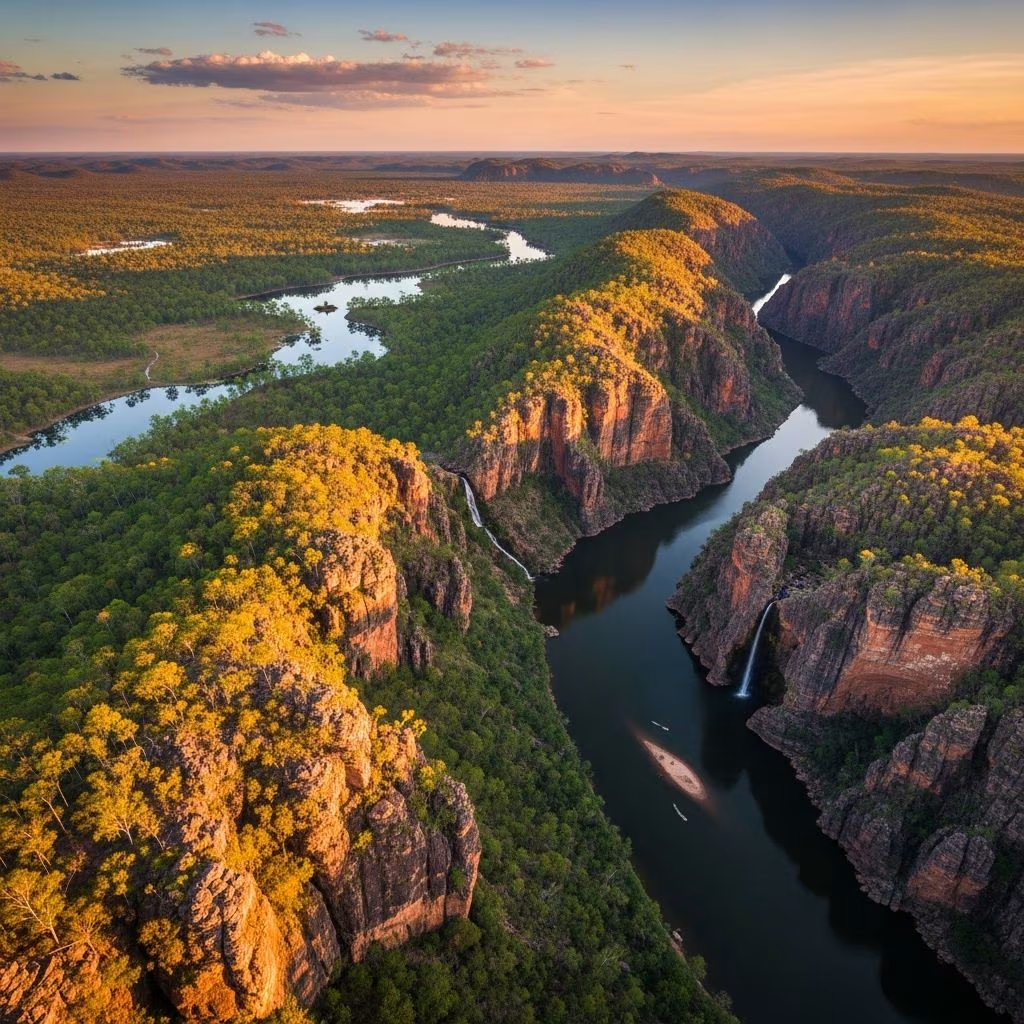
Kakadu National Park stands as one of Australia’s largest and most-visited protected areas, recognized by UNESCO for its exceptional combination of landscape, cultural significance, and biodiversity. The park exists at the intersection of multiple ecosystems—from monsoon forests to expansive wetlands—creating habitats for an extraordinary array of wildlife. Just beyond Kakadu’s southern boundary lies Nitmiluk National Park, distinguished by its dramatic network of 13 impressive sandstone gorges that rise from the Katherine River valley.
Both parks are inextricably linked to the Bininj/Mungguy people, Traditional Owners whose connection to this land stretches back tens of thousands of years. The landscape itself functions as a living archive, with rock art sites containing imagery up to 20,000 years old adorning red-walled escarpments and cliff faces throughout both reserves. This cultural dimension transforms a visit from a simple nature experience into a profound encounter with human history and Indigenous knowledge systems.
The scale of Kakadu’s wildlife populations defies easy comprehension. The park provides sanctuary to over 60 mammal species, including wallabies, dingoes, and numerous bat species that emerge at dusk. Birdwatchers find themselves in paradise, with more than 280 bird species recorded, including iconic Australian species and migratory birds that travel from across Asia and the Pacific. The reptile population encompasses 120 recorded species, while 25 frog species navigate the wetlands and water systems. Freshwater ecosystems support 55 fish species, and the insect populations—numbering at least 10,000 kinds—create the foundational energy flows supporting this entire ecosystem.
This biological richness stems directly from Kakadu’s environmental diversity. Monsoon forests with towering fig trees create microclimates supporting specialized fauna. Billabongs—seasonal water holes—transform the landscape’s appearance dramatically between dry and wet seasons, concentrating wildlife during drier months and expanding habitats during monsoonal rains. Escarpments provide refuge for cliff-dwelling species, while the wetlands create one of Australia’s most significant bird habitats.
Kakadu’s rock art galleries represent an unbroken artistic and cultural tradition spanning millennia. These sites are not merely artistic achievements but function as repositories of knowledge—depicting hunting techniques, seasonal patterns, spiritual beliefs, and the relationships between people and landscape. The imagery includes representations of Dreamtime creation narratives central to Aboriginal spirituality, practical documentation of animals and hunting strategies, and records of contact with outsiders dating to historical periods.
The East Alligator River region marks a particularly significant cultural boundary, representing the threshold where Kakadu National Park transitions into the restricted Indigenous area of Arnhem Land. Despite its name containing the word “alligator,” the river contains no American alligators—a geographical misnomer likely resulting from early European misidentification. Instead, saltwater crocodiles inhabit these waters in abundance, making this location the premier destination in Australia for observing these ancient reptiles.
Cahill’s Crossing functions as the primary access point to the East Alligator River system, providing a causeway connecting Kakadu to Arnhem Land. The crossing becomes impassable during the Wet season (roughly November through March) when monsoonal rains cause water levels to surge. An elevated lookout at the crossing permits observation of crocodiles sunbathing along the riverbanks, providing a safe vantage point for photography and wildlife viewing without requiring boat access.
For more immersive experiences, hour-long boat tours conducted by First Nations guides navigate the river’s corridors, bringing visitors into close proximity with crocodiles while connecting fauna observations to traditional stories and cultural knowledge. These guided excursions transcend simple wildlife viewing, instead weaving natural history with cultural narratives explaining the landscape’s significance to Traditional Owners. Tours organized from riverside lodges occur throughout daylight hours, with sunrise and sunset departures offering exceptional lighting and often increased wildlife activity.
The river’s ecosystem supports exceptional birdlife diversity, with guides identifying species ranging from raptors to wading birds. The wetland scenery—expanses of water lilies, paperbark trees, and emergent vegetation—creates photographic opportunities while providing habitat supporting the area’s abundant fauna populations.
Gunlom represents the most visited waterfall destination within Kakadu, distinguished by its large lake positioned beneath towering cliffs and the surrounding landscape’s dramatic topography. Following restoration work addressing prior legal disputes regarding sacred site proximity, Gunlom offers multiple recreational opportunities. The primary attraction involves climbing to the cliff’s summit to access an infinity pool positioned at the precipice’s edge—one of Australia’s most spectacular natural swimming venues, combining the thrill of bathing at height with panoramic views across the surrounding landscape.
Visitors seeking lower-impact swimming can access a substantial rockhole at the waterfall’s base, though signage frequently warns of freshwater crocodile sightings—a precaution that, while rarely resulting in incidents, reflects the area’s genuine wildlife presence. The combination of water recreation, landscape scenery, and accessible day-use facilities makes Gunlom a central component of most Kakadu itineraries.
Nitmiluk National Park encompasses 2,947 square kilometers of rugged terrain dominated by 13 sandstone gorges carved through the Katherine Plateau. These geological formations create a landscape of dramatic vertical cliffs, narrow river corridors, and elevated ridgelines offering expansive vistas. The park’s geography has earned it recognition as one of northern Australia’s premier trekking destinations, with trail networks ranging from short nature walks to multi-day backpacking expeditions.
The Baruwei Lookout Walk provides an accessible introduction to the gorges’ grandeur, involving a steep 1.8-kilometer ascent from the visitor center to an overlook encompassing multiple gorge systems. This walk, achievable within 45 minutes to an hour, delivers disproportionate rewards—few other short hikes offer such comprehensive landscape perspectives.
Extended walking routes probe progressively deeper into the gorge systems, following ridgelines framing the gorges from above. These trails consistently reward hikers with dramatic perspectives as the terrain transforms around each bend. The combination of geological interest, botanical diversity, and increasingly expansive vistas makes Nitmiluk’s trail network exceptional.
For experienced hikers seeking substantial challenge, the Jatbula Trail represents a legendary multi-day expedition spanning 66 kilometers through remote Nitmiluk wilderness. Completion typically requires 5 to 6 days of hiking, with daily distances ranging from 8 to 16 kilometers depending on route selection and pace. The trail navigates past named landmarks including Biddlecombe Cascades, Crystal Falls, the Amphitheatre formation, and Sweetwater Pool, each offering distinct landscape character and recreational opportunities.
Access to this trail involves significant planning requirements. Park authorities restrict daily entries to 15 hikers maximum, with single-night camping restrictions ensuring minimal environmental impact. Permits require advance booking through online systems; availability consistently sells out rapidly for peak-season departures. The Jatbula Trail remains closed during the wet season, operating exclusively from June through September when rainfall ceases and temperatures moderate from monsoon extremes.
Nitmiluk’s water systems provide alternative perspectives on the gorges to trekking-focused visitors. Four-hour boat cruises navigate through three gorge systems, incorporating walking transitions between boats as watercraft limitations prevent continuous water-level travel. While mobility considerations should influence participation decisions, appropriate footwear and reasonable fitness permit most visitors to complete the experience successfully. During cruises, guides identify rock art sites visible on cliff faces, point out wildlife, and narrate the Jawoyn people’s traditional connections to the land, enriching the experience beyond simple scenic observation.
Optimal time allocation depends on activity preferences and available vacation days. A minimum three-day investment in Kakadu and two days in Nitmiluk, supplemented by an additional day for inter-park travel, provides the basic framework for meaningful experiences. Visitors with more flexibility can expand Kakadu exploration to four or five days, accessing more remote attractions and participating in multiple guided experiences. The Nature’s Way itinerary, combining both parks with Litchfield National Park (known for accessible waterfalls and swimming holes), spans seven days from Darwin and showcases the Top End’s complete portfolio of natural attractions.
Distance considerations influence logistics. Darwin to Kakadu requires approximately 250 kilometers of driving, while the journey from Kakadu to Katherine (Nitmiluk’s primary service hub) covers roughly 300 kilometers, typically requiring 3-4 hours of driving through landscape transitioning from wetlands to eucalypt forests.
The Top End experiences dramatically different conditions across its six distinctive seasons. The dry season (April through September) offers optimal conditions for outdoor activities, featuring comfortable temperatures and minimal rainfall. Wet season visitation (November through March) presents logistical challenges—causeway crossings including Cahill’s Crossing become impassable, some attractions close, and humidity reaches extreme levels. Shoulder seasons (October and March-April) provide compromise conditions, with fewer crowds and reasonable weather, though some attractions may remain closed for maintenance or seasonal restrictions.
Both parks offer opportunities to engage with Traditional Owners and Indigenous cultural knowledge. First Nations guides conducting boat tours, walking expeditions, and cultural demonstrations provide insights inaccessible through independent exploration. These interactions transform site visitation from observational tourism into participatory cultural exchange, with guides explaining landscape narratives, artistic traditions, and contemporary Indigenous life within their ancestral territories.
Minimum recommendations suggest three full days in Kakadu and two in Nitmiluk, allowing time for key attractions plus inter-park travel. Visitors with flexible schedules benefit from additional days enabling less-rushed experiences and access to remote sites.
The dry season (April through September) provides optimal conditions. June through September offers comfortable temperatures for hiking the Jatbula Trail. Wet season (November through March) presents challenges including closed causeway crossings and humidity extremes, though some visitors appreciate the dramatic weather and fewer crowds.
While crocodiles inhabit these parks, incidents remain extraordinarily rare. Observe basic safety protocols: maintain distance from water’s edge, obey posted warnings, and never attempt to feed or photograph crocodiles at close range. Boat tours and designated viewing areas provide safe observation opportunities.
Many locations offer safe swimming; however, always check current signs for crocodile warnings, particularly regarding freshwater crocodiles in certain areas. Designated swimming holes at developed sites generally present minimal risk when current advisories are heeded.
Options range from lodges and resorts to campgrounds and fully serviced cabins. Kakadu provides accommodation at Cooinda Lodge and similar facilities, while Katherine serves as Nitmiluk’s primary service base. Camping occurs at established grounds throughout both parks.
Successful park visits require appropriate preparation. Pack substantial quantities of sunscreen, insect repellent, and protective clothing for both sun and occasional inclement weather. Carry ample water supplies for day excursions, particularly during dry season hikes. Book accommodation and popular experiences (especially Jatbula Trail permits) well in advance, as peak-season availability diminishes rapidly. Check park websites and contact visitor centers for current conditions, closures, and seasonal restrictions affecting planned activities.
The combination of Kakadu and Nitmiluk National Parks encapsulates the Top End’s extraordinary character—landscapes shaped by geological time, ecosystems supporting incomparable biodiversity, and cultural traditions connecting contemporary Indigenous peoples with tens of thousands of years of continuous history. These protected areas demand more than casual visitation; they reward investment in time, engagement with local knowledge, and genuine curiosity about both natural systems and human cultural heritage. Whether experiencing these parks through boat cruises, day walks, multi-day expeditions, or cultural tours, visitors encounter one of Earth’s most remarkable regions.
