
 Stays
StaysStays
Karuizawa Travel Guide: Top Things to Do, See & Eat
Explore Karuizawa, a sophisticated mountain resort in Nagano Prefecture featuring outdoor recreation, shopping, natural beauty, and cultural attractions accessible within an hour from Tokyo.
 Stays
StaysNestled in the mountains of Nagano Prefecture, Karuizawa stands as one of Japan’s most coveted retreat destinations for those seeking respite from urban life. Positioned at an altitude of approximately 1,000 meters at the foot of the active volcano Mount Asama, this elegant mountain town has cultivated a reputation for blending refined hospitality with spectacular natural scenery. The town’s accessibility—requiring just over an hour via JR’s Hokuriku Shinkansen from Tokyo—makes it an ideal weekend destination for travelers looking to experience mountain culture without venturing far from Japan’s bustling capital.
Historical Significance and Cultural Evolution
Karuizawa’s origins trace back centuries to its role as a vital waypoint along the Nakasendo Highway, a historic trade route that connected Kyoto with Edo (contemporary Tokyo) during Japan’s Edo period (1603-1868). During this era, the town flourished as a post town where weary travelers could rest at inns and tea houses. However, the town’s transformation into a fashionable retreat accelerated during the Meiji era (1868-1912) when Western missionaries and expatriates discovered its temperate climate and picturesque landscapes. These early visitors were captivated by Karuizawa’s ability to provide relief from Tokyo’s oppressive summer heat, a quality that attracted Tokyo’s affluent residents and established the foundation for its modern identity as an upscale resort destination.
Today, Karuizawa maintains this heritage of sophistication while continuing to serve as a preferred vacation spot for wealthy urbanites who maintain second homes throughout the town. The area has also earned international recognition as the sole location worldwide to have hosted both Summer and Winter Olympic events, further cementing its status as a premier sporting and recreational destination.
Year-Round Recreation and Seasonal Activities
The appeal of Karuizawa extends across all seasons, each bringing distinct opportunities for outdoor enthusiasts and leisure seekers. The temperate mountain climate creates ideal conditions for varied recreational pursuits throughout the year.
Summer and Autumn Pursuits
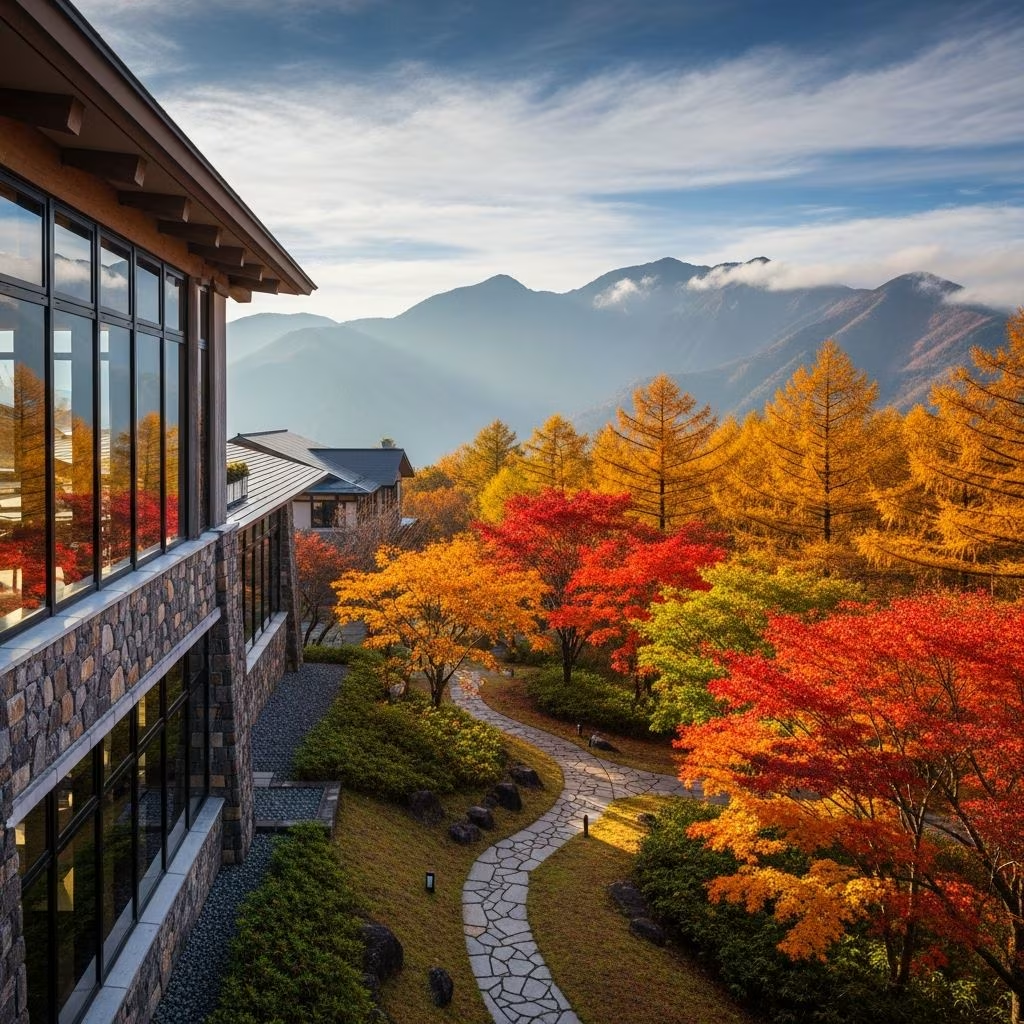
During warmer months, Karuizawa’s cool mountain air attracts visitors seeking escape from Japan’s intense heat. The season opens numerous possibilities for active recreation, including hiking expeditions up Mount Asama to explore the active volcano’s terrain, cycling through scenic mountain paths, golfing on well-maintained courses, and playing tennis at professional facilities. Autumn transforms the landscape with brilliant foliage, drawing nature photographers and hikers seeking to capture stunning seasonal colors that typically peak between mid-October and early November.
Winter Sports and Cold-Weather Activities
The winter season transitions Karuizawa into a snow sports destination, offering visitors skiing opportunities and ice skating facilities. The combination of reliable snowfall and well-developed resort infrastructure makes it an accessible alternative to more distant ski destinations for Tokyo residents.
Natural Attractions and Scenic Destinations
Beyond recreational activities, Karuizawa’s landscape provides numerous natural attractions worth exploring during any visit.
- Kumoba Pond (Swan Lake): Among Karuizawa’s most photographed locations, this serene body of water creates ethereal reflections of surrounding greenery and trees. A walking trail encircling the pond spans approximately one kilometer and requires roughly 20 minutes to complete one loop, offering gentle terrain suitable for all fitness levels. Visitors can appreciate the landscape from multiple vantage points while enjoying the ambiance of mountain air and bird songs.
- Shiraito Falls: Located within an untouched natural green space, this modest cascading waterfall empties into a pristine mountain pool, providing a tranquil respite for those seeking quieter natural experiences away from busier attractions.
- Mount Asama: The active volcano dominates Karuizawa’s geography and offers hiking opportunities for those interested in exploring volcanic terrain and enjoying panoramic vistas from elevated positions.
- Yukawa Furusato Park: This expansive green space combines natural beauty with family-friendly amenities, including picnic facilities, a children’s playground, and opportunities for self-catered meals in outdoor settings.
Shopping and Culinary Experiences
Karuizawa’s reputation for shopping rivals its outdoor attractions, with two primary commercial districts offering distinct atmospheres and merchandise selections.
Kyu-Karuizawa Ginza: Historic Heart of Commerce
The old town center, known as Kyu-Karuizawa Ginza, functions as Karuizawa’s historic commercial and cultural hub. This atmospheric street combines heritage architecture with contemporary boutiques, locally owned specialty shops, and arts and crafts galleries. The cosmopolitan culinary scene features establishments ranging from traditional Japanese cuisine to French, Nepalese, and Iranian restaurants, reflecting the town’s sophisticated international character. Visitors frequently encounter Tokyo’s urban elite enjoying leisurely afternoons browsing high-end fashion boutiques, artisanal shops, and sampling Karuizawa’s renowned local sweets and preserves.
Naka-Karuizawa: Modern Alternative Center
West of the historic district, Naka-Karuizawa has emerged as an alternate commercial hub with restaurants, cafes, and shops concentrated around Harunire Terrace. This riverside venue offers a more contemporary setting while maintaining connection to natural surroundings through its forest location and riverside deck ambiance.
Architectural and Cultural Landmarks
Beyond shopping and natural attractions, Karuizawa offers cultural venues and distinctive structures worthy of exploration.
- Stone Church: This architectural marvel in Naka-Karuizawa features unique design aesthetics that evoke fairy tale imagery. Visitors describe the interior as resembling a mysterious cavern rather than a conventional place of worship. The church remains closed to the public during wedding ceremonies.
- Megane-bashi: This 17th-century stone arch bridge provides historical photo opportunities and connects visitors with Karuizawa’s heritage architecture.
- Hiroshi Senju Museum Karuizawa: This contemporary art museum combines artistic exhibitions with elegantly maintained gardens, appealing to cultural enthusiasts and art collectors.
- Mampei Hotel: Founded in 1894, this iconic establishment symbolizes Japan’s summer resort heritage and continues operating as a luxury hospitality venue.
Transportation and Accessibility
Reaching Karuizawa from Tokyo presents multiple options suited to different preferences and requirements.
| Transportation Method | Duration | Characteristics |
|---|---|---|
| JR Hokuriku Shinkansen | Just over 1 hour | Most convenient, direct service from Tokyo to Karuizawa Station |
| Private Car Rental | 2 to 2.5 hours | Offers flexibility for exploring surrounding areas, scenic mountain roads |
The Shinkansen option appeals to those prioritizing convenience and minimal travel time, while car rental suits visitors seeking to explore the broader Nagano Prefecture region at their own pace. Both options provide practical means to access this mountain destination from Tokyo.
Seasonal Highlights and Optimal Visiting Times
Karuizawa’s position along Japan’s Romantic Road tourism corridor connects it with broader regional attractions, and each season offers distinct advantages for visitors.
Summer Season Characteristics
The summer months attract visitors specifically seeking escape from Tokyo’s intense urban heat. Karuizawa’s elevation and mountain topography maintain pleasantly cool temperatures, making it an ideal refuge during Japan’s hottest period. This season particularly appeals to families and those prioritizing outdoor recreation over cultural tourism.
Autumn Color Peak
The autumn foliage season transforms Karuizawa’s landscape with vibrant reds, oranges, and yellows. The period from mid-October through early November represents the optimal window for photography enthusiasts and nature admirers seeking to capture seasonal colors at their most intense.
Winter Recreation Season
Winter transforms Karuizawa into a snow sports destination, appealing to skiers, snowboarders, and those enjoying ice skating and hot spring bathing during colder months.
Practical Visitor Information
Accommodations and Amenities
Karuizawa offers diverse lodging options ranging from historic luxury hotels to modern resort facilities. Many properties feature onsite dining combining Japanese and Western cuisine. Nearby attractions such as Hoshino Hot Spring (accessible via short drive) provide opportunities for visitors to enjoy traditional Japanese bathing experiences. Shopping centers and commercial facilities like Karuizawa Prince Shopping Plaza and Lake Kumoba offer convenient access to retail establishments and dining venues.
Dining and Local Specialties
The culinary landscape reflects Karuizawa’s cosmopolitan character through diverse cuisine options. The town’s famous sweets and preserves offer distinctive local products suitable for gift-giving or personal enjoyment. Casual cafes throughout Kyu-Karuizawa Ginza provide accessible dining options for visitors seeking refreshment during shopping expeditions.
Frequently Asked Questions
How far is Karuizawa from Tokyo?
Karuizawa is located approximately one hour away from Tokyo via JR’s Hokuriku Shinkansen, making it easily accessible for weekend trips or extended stays. By car, the journey requires approximately 2 to 2.5 hours via well-maintained highways.
What activities are available during different seasons?
Summer and autumn offer hiking, cycling, golfing, and tennis; autumn specifically features stunning foliage viewing. Winter provides skiing, ice skating, and hot spring bathing. Spring brings fresh greenery and pleasant weather suitable for outdoor exploration.
Where should I focus my shopping efforts?
Kyu-Karuizawa Ginza represents the historic shopping district with boutiques and specialty shops, while Naka-Karuizawa offers contemporary shopping centered around Harunire Terrace. Both areas feature diverse merchandise and dining options.
Is Kumoba Pond worth visiting?
Yes, Kumoba Pond (Swan Lake) represents one of Karuizawa’s most scenic attractions, featuring excellent reflection photography opportunities and an accessible walking trail suitable for visitors of varying fitness levels.
What is the best season to visit?
Each season offers distinct advantages. Summer appeals to heat-escape seekers, autumn attracts foliage photographers, and winter suits snow sports enthusiasts. Spring provides pleasant weather and wildflower viewing opportunities.
References
- What to do in Karuizawa — Japan Guide. https://www.japan-guide.com/e/e6030.html
- Karuizawa – What you need to know before you go — Hotels.com. https://www.hotels.com/go/japan/karuizawa
- A Guide to Karuizawa — Rakuten Travel. https://travel.rakuten.com/contents/usa/en-us/guide/karuizawa/
- Karuizawa — Japan National Tourism Organization (JNTO). https://www.japan.travel/en/destinations/hokuriku-shinetsu/nagano/karuizawa/
- Karuizawa Official Travel Site — Karuizawa Tourism Board. https://visitkaruizawa.com/en/
- Discover Karuizawa’s Most Breathtaking View! Travel Guide to Kumoba Pond — GL Tours Japan. https://www.gltjp.com/en/article/item/20396/
On This Page
Historical Significance and Cultural Evolution Year-Round Recreation and Seasonal Activities Natural Attractions and Scenic Destinations Shopping and Culinary Experiences Architectural and Cultural Landmarks Transportation and Accessibility Seasonal Highlights and Optimal Visiting Times Practical Visitor Information Frequently Asked Questions← Previous
Twelvemile Beach: A Budget-Friendly Lake Superior Getaway
Next →
Fiji’s Best Beaches: Why This South Pacific Paradise Tops the World
Related Reading