

 Travel Essentials
 Travel Essentials

Explore Kathmandu's most compelling attractions including ancient stupas, sacred temples, cultural landmarks, and outdoor adventures for every traveler.
 Travel Essentials
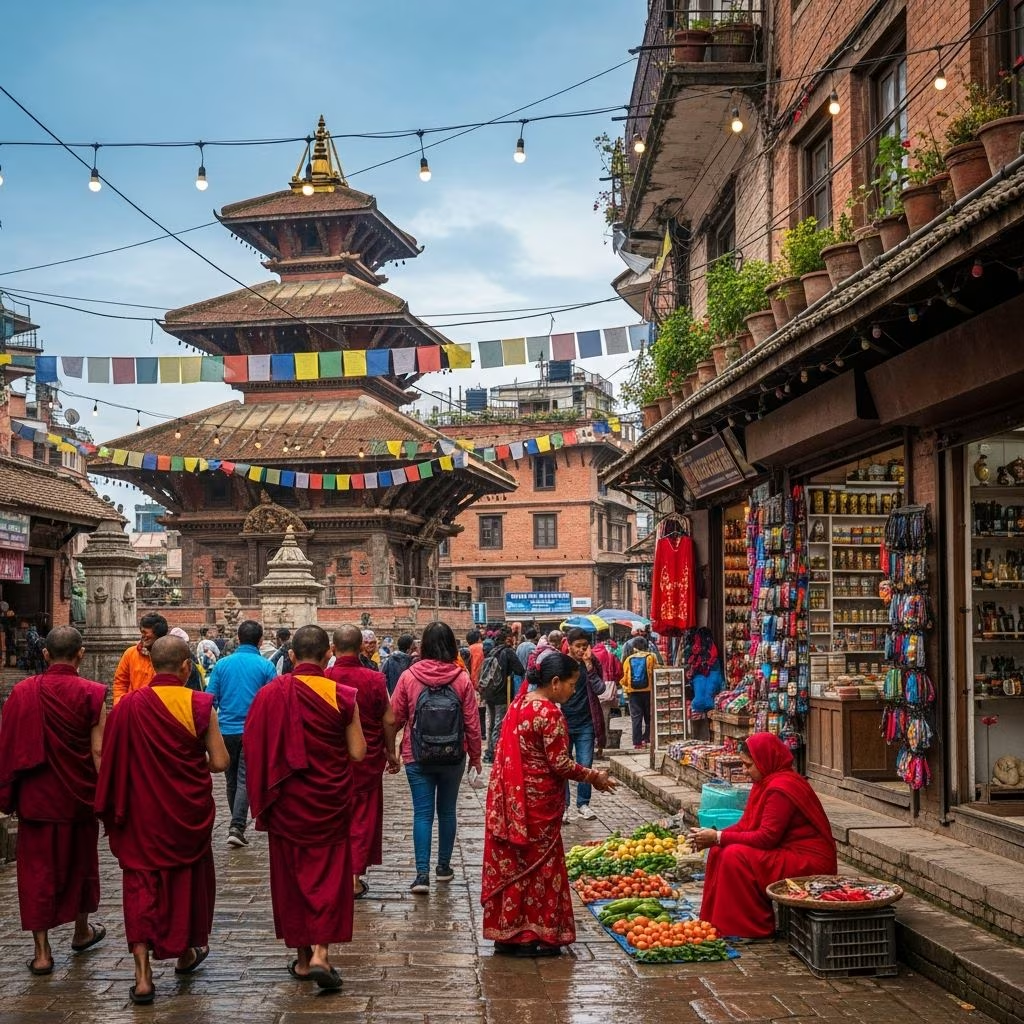
Kathmandu, Nepal’s vibrant capital, stands as a crossroads of ancient spirituality and contemporary energy. Nestled within the Kathmandu Valley, this bustling metropolis attracts travelers seeking profound cultural immersion, architectural marvels, and transformative spiritual experiences. Whether you’re drawn to religious pilgrimage sites, architectural wonders, or adventurous pursuits, Kathmandu delivers an extraordinary blend of tradition and modernity that few destinations can match.
The city’s religious landscape forms the cornerstone of its identity and visitor appeal. Kathmandu’s temples and stupas represent centuries of Buddhist and Hindu devotion, each structure telling stories of faith, artistry, and cultural resilience. These sacred sites remain functioning places of worship, offering glimpses into spiritual practices that have flourished for generations.
Buddhist stupas dominate Kathmandu’s skyline and spiritual consciousness. These architectural forms embody Buddhist philosophy through their geometric symbolism and spiritual significance. The most prominent stupas attract thousands of daily visitors, pilgrims, and monks who engage in circumambulation rituals that have defined the landscape for centuries.
Boudhanath Stupa stands as one of the world’s largest Buddhist stupas, featuring a distinctive whitewashed dome crowned with a gilded tower and the watchful eyes of Buddha gazing in all directions. First constructed in the 7th century, this UNESCO World Heritage Site serves as a major center for Tibetan Buddhism. Pilgrims, monks, and devotees constantly circle the stupa, spinning prayer wheels and reciting mantras in a synchronized rhythm that transforms the site into a living meditation space. The stupa radiates profound serenity, particularly during morning and evening hours when Tibetan pilgrims perform their circumambulations.
Swayambhunath Stupa, affectionately known as the Monkey Temple, perches majestically atop a hilltop overlooking the entire Kathmandu Valley. This ancient stupa has functioned as a spiritual center since the 5th century and represents one of Buddhism’s oldest and most revered stupas. The complex encompasses a stunning domed stupa alongside ornate shrines and temples decorated with intricate detail. Reaching the summit requires navigating approximately 365 steps while encountering the site’s famous resident monkeys, believed by devotees to embody sacred spiritual essence. The panoramic vistas from the peak, particularly during golden hour, showcase the valley’s entire expanse and provide contemplative space for reflection.
Pashupatinath Temple represents Hinduism’s holiest sanctuary within Nepal, dedicated to Lord Shiva. This ancient temple complex extends along the sacred Bagmati River and functions as a pilgrimage destination drawing devotees from across South Asia. The temple’s architectural complexity, with multiple courtyards and subsidiary shrines, reflects centuries of religious development and artistic evolution. The site’s spiritual intensity remains palpable, as pilgrims perform ritual ablutions and priests conduct ceremonies maintaining unbroken traditions.
Durbar Square encompasses multiple interconnected temples, palaces, and courtyards within Kathmandu’s Old Town. This historic precinct now functions as a UNESCO World Heritage Site presenting architectural specimens spanning centuries. The square contains the Hanuman Dhoka, once the royal palace serving Nepal’s monarchs. Jagannath Temple, dating to 1563, stands as the oldest and most visually striking structure within the complex, renowned for its elaborate erotic carvings that showcase Newari artistic traditions. Adjacent to the square lies the centuries-old Indra Chowk marketplace, preserving commercial patterns established generations ago.
Kathmandu’s cultural essence extends far beyond temples and stupas. The city pulses with artistic expression, culinary traditions, and contemporary creativity that reflect both historical continuity and modern innovation.
Thamel has evolved into Kathmandu’s primary tourism hub since the 1970s, maintaining its position through a combination of charm, accessibility, and commercial vitality. This neighborhood features winding alleyways lined with traditional shops, vibrant street vendors, and numerous establishments catering to diverse visitor preferences. Despite its commercial character, Thamel preserves authentic elements of Kathmandu’s mercantile heritage. Exploring these narrow lanes reveals hidden courtyards, family-run enterprises, and quiet corners offering respite from the energetic streets. The district transforms dramatically after sunset, when lively bars and restaurants create an animated nightlife scene reflecting both traditional Nepali hospitality and contemporary international influences.
Amidst the urban intensity, Kathmandu offers cultivated green spaces providing tranquility and botanical interest. The Garden of Dreams presents an oasis within the city’s bustling Thamel neighborhood, offering carefully designed landscaped sections featuring seasonal flowers blooming throughout the year. Legend associates Godavari Spring, located within the gardens, with Buddhist Mystic Padmasambhava, who according to tradition struck a rock releasing both water and spiritual truth into the world. The gardens contain the Coronation Pond and feature hiking paths ascending to Phulchowki, the Kathmandu Valley’s highest point. This summit trek rewards visitors with expansive valley views particularly stunning during evening light.
Beyond the immediate city center, the Kathmandu Valley contains additional cultural treasures worthy of dedicated exploration.
Patan Durbar Square, accessible via short taxi journey from central Kathmandu, showcases Newari heritage through magnificent wood and stone carvings. The associated Patan Museum provides comprehensive insights into Nepalese historical development, artistic traditions, and cultural practices, while views from the museum’s upper-level windows overlook the square’s architectural splendor.
Bhaktapur, described as a city frozen in time, preserves ancient Nepal’s character through every architectural detail and street corner. The sprawling Bhaktapur Durbar Square complex encompasses temples, courtyards, and traditional residential structures. The intricately carved 55 Window Palace and the towering Nyatapola Temple stand as architectural achievements of remarkable sophistication, while the bustling pottery square showcases artisans perpetuating centuries-old ceramic traditions.
Visitors seeking distinctive perspectives can experience Mount Everest flights, offering unparalleled aerial views of the world’s highest peak. These specialized flights depart from Kathmandu, providing photographers and nature enthusiasts with extraordinary opportunities. Alternatively, Nagarkot serves as a popular hill station accessible from the city, offering sunrise viewing opportunities and day hiking trails with lunch provisions. The elevated vantage point provides sweeping valley panoramas and mountain horizons.
Chandragiri Cable Car provides an alternative mountainside experience, transporting visitors above the valley landscape while offering scenic opportunities at multiple elevations. This engineering accomplishment combines technological interest with environmental appreciation.
For adventurous travelers, Kathmandu serves as a gateway to jungle safari experiences. Multi-day expeditions from the city penetrate Nepal’s wildlife reserves, offering opportunities to encounter endangered species, river ecosystems, and forest habitats. These immersive experiences provide stark contrasts to urban environments while supporting conservation initiatives.
Kathmandu’s food scene encompasses both traditional Nepali cuisine and increasingly sophisticated international offerings. Street food vendors prepare momos (steamed dumplings), dal bhat (lentil rice), and seasonal specialties reflecting regional agricultural cycles. Established restaurants like Le Sherpa combine traditional recipes with contemporary presentation, while farmer’s markets provide access to fresh local produce and artisanal products. Specialized cooking classes offer hands-on instruction in momo preparation and other Nepali culinary techniques, transforming food into cultural education.
Morning and evening hours generally provide superior experiences at major religious sites, when pilgrims complete circumambulations and spiritual energy feels most concentrated. Early morning light illuminates architectural details with particular clarity, while evening light creates atmospheric conditions favored by photographers.
Multiple Kathmandu sites carry UNESCO World Heritage designation, acknowledging their universal cultural value. This recognition highlights both the sites’ historical importance and their contemporary preservation challenges. The devastating 2015 earthquake impacted numerous historic structures, though restoration efforts continue preserving architectural heritage for future generations.
Respectful behavior within religious spaces remains essential. Visitors should observe modest clothing, remove footwear when required, circumambulate stupas clockwise, and refrain from photographing during active religious ceremonies. These practices demonstrate cultural sensitivity while allowing meaningful interaction with living spiritual traditions.
While comprehensive city exploration requires minimum three to four days, travelers with limited schedules can experience principal attractions within 24 hours. Multi-day itineraries permit deeper cultural immersion and unhurried temple exploration.
Taxis remain readily available throughout the city, while local buses provide budget-conscious transportation. Walking remains viable for navigating neighborhood clusters, particularly within Thamel and surrounding areas. International visitors frequently arrange guide services for organized excursions.
Many temple complexes involve steep staircases and uneven surfaces. Swayambhunath’s 365 steps present particular physical demands. Visitors with mobility limitations should inquire about alternative routes or accessible sections when visiting major sites.
Most stupas and temples permit general photography, though some areas prohibit cameras during active ceremonies or within inner sanctums. Respectful inquiry before photographing ensures compliance with local customs.
Boudhanath Stupa, Swayambhunath, Durbar Square, and Pashupatinath Temple constitute the essential foundation for understanding Kathmandu’s cultural landscape. These four sites represent Buddhism, Hinduism, architectural heritage, and spiritual significance comprehensively.
