

 Travel Essentials
 Travel Essentials

A comprehensive guide to Kauai's premier state parks, featuring hiking trails, beaches, waterfalls, and cultural landmarks.
 Travel Essentials
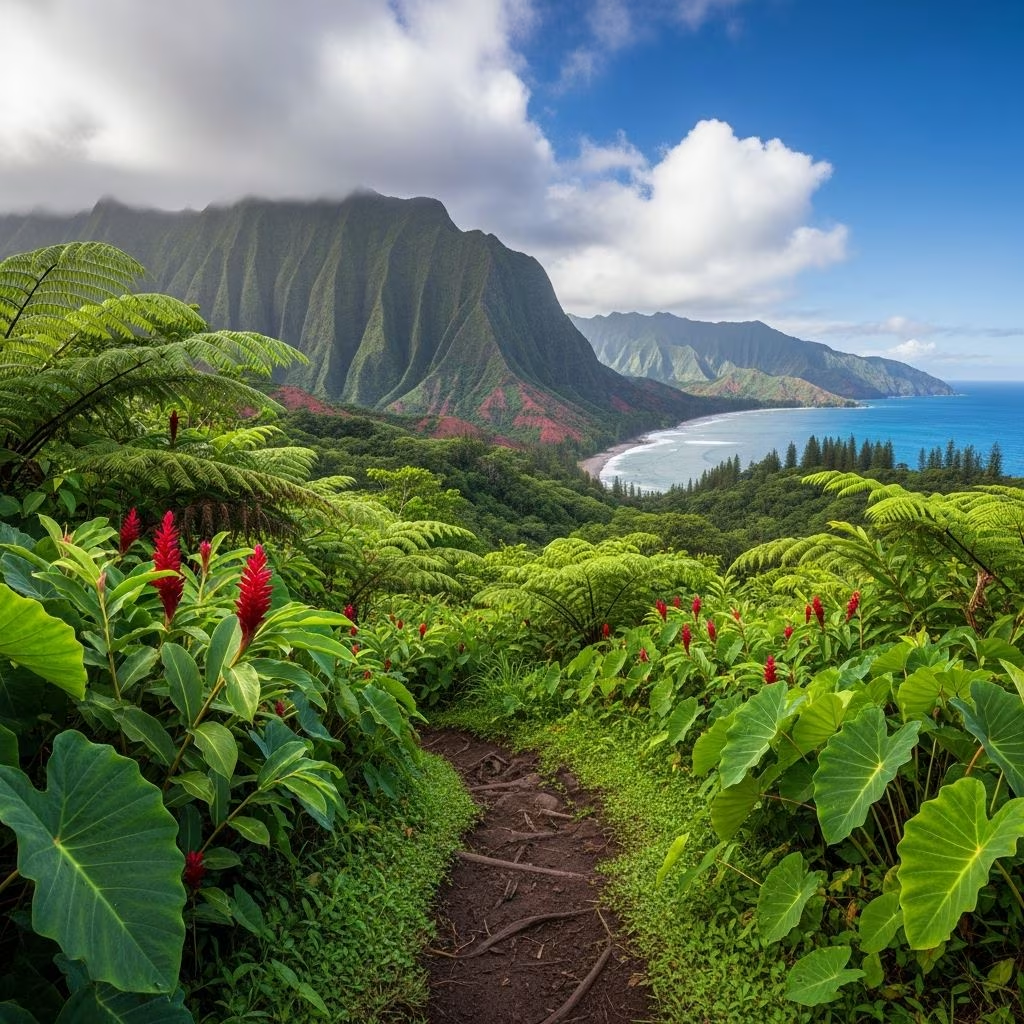
Kauai’s state parks represent some of the Hawaiian islands’ most remarkable natural and cultural treasures. The island hosts an impressive collection of protected areas that showcase diverse ecosystems, from coastal wilderness to mountain rainforests. Each park offers visitors a distinct window into Hawaii’s geological formations, native flora and fauna, and the enduring cultural heritage of the Hawaiian people. Whether you seek challenging mountain trails, serene beach experiences, or cultural immersion, these reserves provide unparalleled access to the Garden Isle’s authentic character.
Kauai maintains five primary state parks, strategically distributed across the island to provide visitors with access to varied landscapes and experiences. The western region features three major parks—Waimea Canyon, Kōke’e, and Polihale—each representing distinct geological and ecological zones. The northern coast includes Ha’ena State Park, famous for its cultural and archaeological significance. Meanwhile, the eastern side presents Wailua River State Park, offering tropical river environments and terrestrial waterfalls.
This geographic diversity means visitors can experience multiple ecosystems within a single day. The elevation variations alone—from sea-level beaches to mountain elevations exceeding 4,000 feet—create dramatically different climatic conditions, vegetation patterns, and recreational opportunities. Understanding these differences helps travelers select parks that best match their interests and physical capabilities.
Waimea Canyon State Park centers on one of Hawaii’s most iconic geological formations—a massive gorge spanning 10 miles in length with depths reaching 3,000 feet. The canyon earned its nickname, “the Grand Canyon of the Pacific,” through its dramatic scale and visual impact comparable to Arizona’s famous landmark. The distinctive coloration—deep reds, browns, and rust tones—results from mineral-rich volcanic rock weathering patterns. The Hawaiian name “Waimea” itself translates to “reddish waters,” referencing the water discoloration caused by the canyon’s iron-rich soil composition.
Visitors find the park offers multiple vantage points from which to appreciate the canyon’s majesty. Scenic overlooks provide photography opportunities and natural gathering spaces for quiet contemplation. The park accommodates various activity preferences, from casual observation at designated viewpoints to more immersive experiences like guided ecological tours. These tours illuminate the canyon’s formation history, geological processes, and ecological significance.
Nature picnicking areas scattered throughout the park allow visitors to settle in for extended observation sessions. The perpetually changing light conditions mean the canyon displays different color palettes throughout the day—a phenomenon that explains the site’s popularity among photographers and artists seeking to capture Hawaii’s raw geological beauty.
Located on Kauai’s western region, Kōke’e State Park encompasses 4,345 acres of mountainous terrain positioned at elevations between 3,200 and 4,200 feet above sea level. This elevation places the park above typical tropical humidity levels, creating a distinct microclimate quite different from coastal areas. The park’s higher altitude supports native rainforest vegetation found nowhere else on Earth, making it botanically and ecologically significant.
Kōke’e boasts approximately 45 miles of hiking trails, making it among the state’s premier walking destinations. These pathways traverse native rainforests, snake along canyon rim edges, and lead to sweeping overlooks revealing Kalalau Valley’s lush abundance on Kauai’s North Shore. Trail difficulty ranges from gentle nature walks suitable for families to challenging backcountry routes requiring significant endurance.
The park serves as a natural observatory for the aforementioned Kalalau Valley vista—one of Hawaii’s most photographed landscapes. From several vantage points within the park, visitors witness the valley’s steep green walls, waterfall-carved cliffs, and the intersection where valley terrain meets ocean horizons. Camping and lodging facilities enable multi-day visits, allowing thorough exploration of the park’s diverse trail network and ecosystems.
Positioned on Kauai’s eastern side, Wailua River State Park showcases the island’s tropical river environment and associated waterfall systems. The Wailua River represents Kauai’s longest watercourse, making it a defining feature of the eastern landscape and a hub for water-based recreation.
The park’s most famous feature is Fern Grotto, a spectacular fern-covered cave formation accessible only via riverboat cruise excursions. This unique natural amphitheater, with its walls draped entirely in native ferns, creates an otherworldly atmosphere that captivates visitors. While accessing Fern Grotto requires paid guided boat tours, this investment allows visitors to explore a geological formation essentially inaccessible through other means.
Opaekaa Falls and Wailua Falls represent two additional major attractions. Wailua Falls gained cultural recognition through its featured appearance in the television series “Fantasy Island,” drawing visitors familiar with the show’s imagery. Opaekaa Falls offers a more intimate waterfall experience, plunging into a scenic pool surrounded by lush vegetation. These waterfalls create excellent photography subjects, particularly during periods of higher water flow.
The park’s tropical foliage and river setting create an environment distinctly different from the park system’s western reserves, providing visitors exploring multiple parks with substantial landscape variety.
Ha’ena State Park occupies the northwestern terminus of Kuhio Highway on Kauai’s north shore, positioning it as a gateway between developed areas and the island’s most remote reaches. The park’s cultural significance stems from its preservation of restored lo’i kalo—traditional Hawaiian taro fields representing centuries of agricultural practices. These restored agricultural features provide educational opportunities for visitors to understand Hawaiian subsistence cultivation methods and the plants’ cultural importance.
Beyond cultural aspects, Ha’ena offers beach-oriented recreational activities including shore fishing, snorkeling, and swimming at Ke’e Beach, where pristine waters meet dramatic coastal cliffs. This small but important beach serves as the southern terminus of the world-renowned Kalalau Trail and as an entry point for snorkelers exploring shallow reef environments.
Ha’ena functions as the primary access point for two internationally recognized hiking experiences. The Kalalau Trail—an 11-mile challenging trek—traverses lush valleys and follows dramatic seaside cliffs along Kauai’s remote northern coast. The Hanakāpīʻai Falls trail offers a shorter 4-mile alternative for visitors seeking challenging walks without committing to the full-day Kalalau experience. These trails present physical challenges requiring appropriate fitness levels and preparation, yet they deliver experiences unattainable elsewhere.
Polihale State Park preserves Hawaii’s longest continuous beach—a remarkable 17-mile stretch of pristine white sand and towering sand dunes. This extended sandy landscape creates endless opportunities for beachcombing, shell collecting, and undisturbed beach exploration. The park’s scale allows visitors to find secluded beach experiences even during periods of moderate visitor traffic.
The combination of vast sandy beaches and dune systems creates visual landscapes reminiscent of desert environments, offering a stark contrast to Kauai’s typical tropical imagery. The towering dunes provide natural windbreaks and viewing platforms from which visitors appreciate both the beach environment and interior volcanic landscapes. Camping facilities support extended stays, allowing visitors to experience the beach environment throughout different daily lighting conditions and weather patterns.
Polihale’s remote western location means fewer casual day-trip visitors access this park compared to other reserves, preserving a more pristine and tranquil beach atmosphere. The drive to the park’s entrance requires navigation of increasingly rural terrain, naturally limiting visitor numbers and maintaining the landscape’s undisturbed character.
| Park Name | Primary Feature | Best Activities | Difficulty Level |
|---|---|---|---|
| Waimea Canyon | Massive geological gorge | Scenic viewing, photography, guided tours | Easy to Moderate |
| Kōke’e | Mountain rainforest | Hiking, camping, valley observation | Moderate to Difficult |
| Wailua River | Tropical river and waterfalls | Riverboat tours, waterfall viewing | Easy |
| Ha’ena | Cultural landscape and coastline | Hiking, snorkeling, cultural education | Moderate to Difficult |
| Polihale | Extended sandy beach | Beachcombing, camping, relaxation | Easy |
Kauai’s state parks preserve ecosystems containing native plant and animal species found nowhere else globally. The elevation gradients across the park system support distinct ecological zones, each adapted to specific temperature, moisture, and soil conditions. Mountain parks like Kōke’e protect native rainforest communities facing pressures from invasive species and development. Coastal parks like Polihale and Ha’ena preserve beach and coastal cliff environments supporting unique fauna and flora.
These protected areas function as biological refuges, allowing species persistence amid broader Hawaiian environmental changes. Visitors contribute to conservation through park access fees and voluntary stewardship practices, supporting ongoing management and restoration initiatives.
Kauai’s tropical location means generally warm temperatures throughout the year, yet seasonal rainfall patterns significantly affect park conditions. Winter months (November through March) bring increased precipitation, particularly affecting northern and windward areas. Higher rainfall results in more dramatic waterfall displays but potentially challenging hiking conditions. Summer months offer drier conditions and clearer visibility from scenic overlooks.
Specific parks respond differently to seasonal changes. Waimea Canyon’s visibility from overlooks improves significantly during drier periods. Waterfall-dependent attractions like Wailua River State Park present their most impressive displays following heavy rainfall periods. Coastal parks like Polihale experience variable ocean conditions affecting beach access and water recreation safety throughout seasons.
What is the best time to visit Kauai’s state parks? Late spring through early fall typically offers the most favorable conditions, though each season provides distinct advantages for specific parks.
Are reservations required for accessing these parks? Most parks allow walk-up access, though Ha’ena State Park implements a reservation system to manage visitor numbers and preserve the environment.
Which park is best for families with children? Polihale and Wailua River State Park generally accommodate families better due to easier accessibility and shorter activity durations.
Do any parks offer camping facilities? Yes, Kōke’e, Polihale, and Na Pali Coast State Wilderness Park provide camping options.
Are there entrance fees for these parks? Most parks are free to access, though specific activities like Fern Grotto riverboat tours require separate payments.
Visitors with extended Kauai stays can construct itineraries combining multiple parks to experience the full spectrum of island landscapes. A western-focused route encompassing Waimea Canyon, Kōke’e, and Polihale showcases geological and terrestrial diversity. Alternatively, a northern itinerary combining Ha’ena with Wailua River State Park highlights cultural landscapes and tropical water environments. Experienced hikers might dedicate days to extended Kalalau Trail journeys beginning from Ha’ena State Park.
Understanding each park’s unique characteristics, required physical capabilities, and seasonal considerations enables visitors to allocate time and resources strategically, maximizing their natural and cultural experience across Kauai’s remarkable protected areas.
