

 Travel Essentials
 Travel Essentials

Plan your Kauai adventure with region-specific itineraries covering southern cliffs, eastern waterfalls, western canyons, and northern beaches.
 Travel Essentials
Kauai, known as the Garden Isle, offers travelers a remarkable blend of natural wonders across its distinct geographical regions. Each area presents unique landscapes, activities, and cultural experiences that appeal to different travel styles and interests. Whether you prefer coastal adventures, mountain exploration, or leisurely beach time, organizing your visit by region allows for efficient travel and deeper immersion into Kauai’s character.
The island naturally divides into several distinct regions, each with its own personality and attractions. The southern shore features dramatic canyon vistas and charming historic towns. The eastern coastline showcases waterfalls, river systems, and tropical vegetation. The western side offers rugged wilderness and scenic viewpoints. The northern section combines pristine beaches with challenging hiking opportunities. Understanding these divisions helps travelers craft itineraries that maximize experiences while minimizing backtracking across the island.
The southern region presents a compelling combination of geological wonders and small-town charm. This area serves as an excellent starting point for many visitors due to its accessibility and diverse activities within a concentrated area.
Often referred to as the Grand Canyon of the Hawaiian Islands, Waimea Canyon dominates the western portion of Kauai’s southern shore. This 14-mile-long geological formation provides multiple vantage points and hiking opportunities suitable for various fitness levels. The canyon’s distinctive red and brown earth tones create dramatic contrasts against the green vegetation and blue sky, offering photographers endless opportunities.
Several established trails wind through the canyon system. The Waimea Canyon Trail itself offers accessible routes with significant payoffs in terms of scenery. The Awa’awapuhi Trail provides more challenging terrain for experienced hikers, descending into the valley with increasingly expansive vistas. Waipoo Falls Trail leads to cascading water surrounded by lush vegetation. Most visitors benefit from exploring multiple viewpoints along the rim road, accessible by vehicle, which showcase different perspectives of this natural wonder.
Hanapepe, a restored plantation-era town, captures authentic Hawaiian charm with art galleries, local eateries, and boutique shops. Walking the town’s main street reveals community spirit and artistic creativity. The Friday night art walks bring additional vibrancy to the community experience.
Koloa Town, another historical settlement, provides glimpses into Kauai’s sugar plantation heritage. The area combines historical significance with modern conveniences, making it an ideal base for southern shore exploration.
Poipu Beach Park offers family-friendly swimming and snorkeling in well-maintained facilities. The sandy beach attracts visitors seeking accessible water activities with consistent conditions. Shipwreck Beach, characterized by its distinctive name and powerful surf, presents more dramatic coastal scenery and appeals to experienced swimmers and photographers. The golden sand contrasts beautifully with turquoise waters and rugged rock formations.
The eastern shore, often called the Coconut Coast, showcases Kauai’s lush vegetation and powerful water systems. This region emphasizes water-based activities and reveals the island’s tropical character.
The Wailua River, one of Hawaii’s most historically significant waterways, provides access to inland natural attractions. Kayaking up the river leads to Secret Falls, a hidden waterfall accessible only by water. This activity combines paddling exercise with the discovery of secluded natural beauty. The river journey winds through vegetation that narrows and opens unexpectedly, creating a sense of exploration.
Wailua Falls, accessed via a scenic viewpoint and hiking path, offers another perspective on the region’s water features. The falls drop dramatically into a pool below, creating mist and rainbows during optimal lighting conditions.
This double-waterfall system rewards hikers who navigate a short but sometimes muddy trail. The falls cascade into pools that reflect surrounding vegetation, creating serene photography opportunities. The moderate difficulty level makes this hike accessible to many visitors.
Kapa’a serves as the eastern region’s main commercial hub, offering dining, shopping, and lodging options. The town maintains a relaxed atmosphere while providing necessary services for travelers. Nearby Kilauea, a smaller community perched on the northern edge of the eastern region, has emerged as a favorite for travelers seeking authentic local experiences. The quiet town houses excellent coffee shops, markets, and boutiques that reflect community values and artistic spirit.
The northern coastline combines some of Hawaii’s most photographed beaches with the island’s most demanding hiking opportunities. This region attracts diverse visitors, from leisurely beach enthusiasts to experienced mountain trekkers.
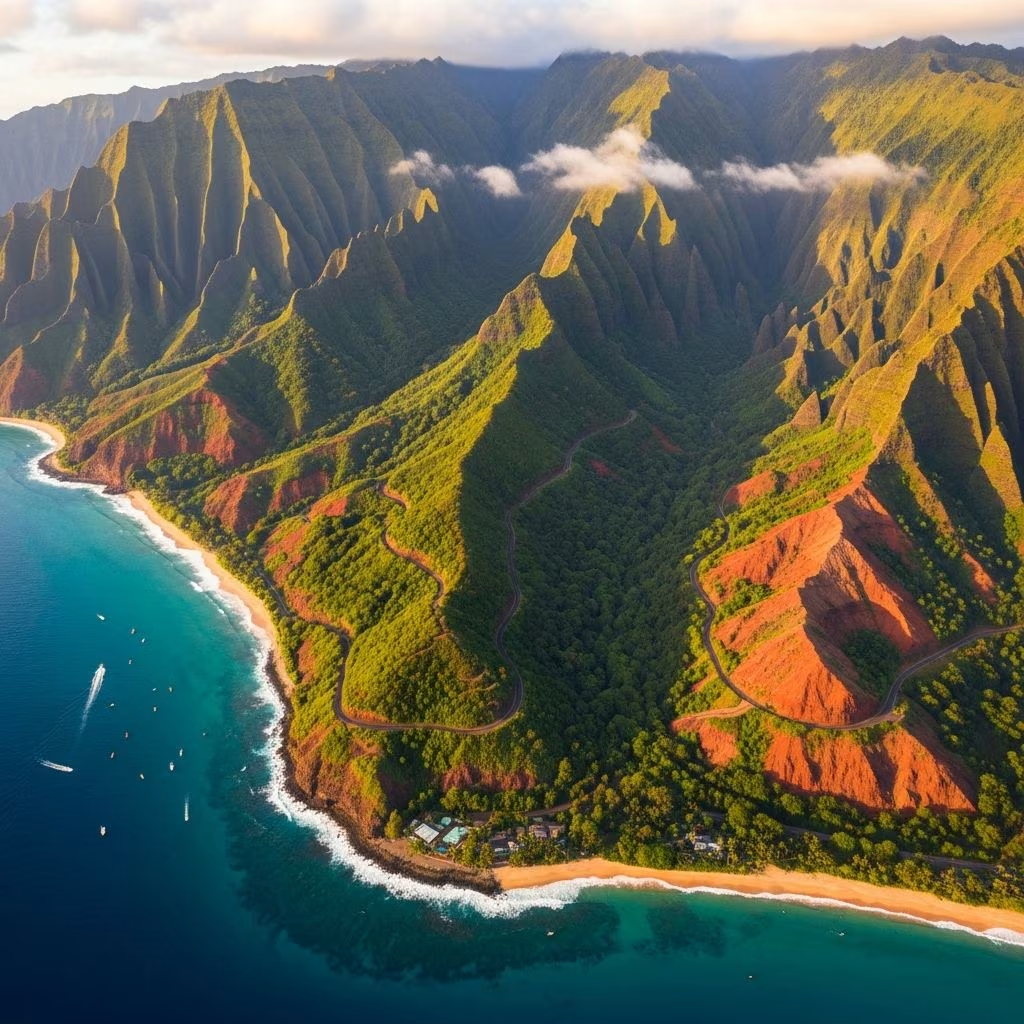
The Nā Pali Coast represents one of the world’s most iconic coastal landscapes. The steep cliffs, emerald valleys, waterfalls, and secluded beaches create an otherworldly environment. The coastline stretches more than 15 miles along the northern shore, inaccessible by vehicle and undeveloped by human infrastructure.
Visitors access this remote area through three methods: hiking the challenging Kalalau Trail, booking a boat tour from the north shore beaches, or flying via helicopter. Each approach offers distinct advantages. Boat tours provide comfortable viewing from water level, with vessels typically anchoring at beaches and valleys inaccessible by other means. Aerial tours reveal the complete coastal scope and hinterland geography impossible to appreciate from sea or trail level.
This 11-mile trail represents Kauai’s most famous hiking route. The path hugs the Nā Pali Coast, ascending steeply from the trailhead and revealing progressively dramatic coastal vistas. The first hour of hiking climbs steeply, demanding significant effort early in the journey. However, even 30 minutes of hiking provides substantial scenic rewards, making partial explorations viable for less experienced hikers.
The trail passes Hanakapi’ai Beach, a notable landmark approximately two miles from the start, where permits transition from day-use to overnight. The route continues through an otherworldly bamboo forest section before descending to beaches and valleys beyond. Permits are required in advance for hiking beyond Hanakapi’ai Beach due to popularity and environmental protection. The trail remains challenging, often muddy, and demands appropriate footwear and preparation.
Hanalei Bay presents a quintessential Hawaiian beach town atmosphere with the iconic crescent beach as its centerpiece. Surf conditions vary seasonally, attracting surfers and swimmers at different times of year. The bay provides a picturesque setting for relaxation, dining at local establishments, and shopping at independently owned businesses.
Tunnels Beach, located near Hā’ena State Park, offers exceptional snorkeling opportunities. The reef system creates natural pools and channels teeming with tropical fish species. The beach name derives from the tunnel-like caves in the cliff face behind the sand.
Anini Beach, characterized by its shallow, protected waters, provides family-friendly swimming and snorkeling. The beach’s distinctive appearance—often described as resembling desktop screensaver imagery—makes it popular among photographers and those seeking peaceful ocean time.
Secret Beach, accessible via a short walk through vegetation, rewards explorers with golden sand and a sense of discovery. The relatively unknown status among casual tourists preserves a quieter atmosphere.
A three-day trip allows concentration on one or two regions. Day one can explore the southern shore’s Waimea Canyon and historic towns. Day two covers southern beaches and coastal trails. Day three shifts focus northward to the northern shore beaches and towns, allowing a taste of different areas without excessive travel time.
A five-day itinerary permits regional depth. Day one covers the southern canyon and cultural sites. Day two explores southern beaches and coastal trails. Day three shifts to the eastern region’s waterfalls and river activities. Day four focuses on eastern beaches and towns. Day five ventures northward for northern shore beaches or partial Kalalau Trail exploration.
With seven days, travelers can thoroughly experience multiple regions. Days one and two explore the south, including canyon vistas, historic towns, and coastal features. Days three and four concentrate on the east, encompassing waterfall hikes, river kayaking, and cultural explorations. Days five, six, and seven emphasize the north, with opportunity for extended Kalalau Trail exploration, beach time, or boat tours along the Nā Pali Coast. This extended timeline allows flexibility for weather delays, unexpected discoveries, or rest days.
| Interest Category | Primary Activities | Recommended Regions |
|---|---|---|
| Hiking & Trekking | Kalalau Trail, canyon routes, waterfall trails | North, South, East |
| Water Sports | Snorkeling, kayaking, boat tours | East, North |
| Scenic Viewing | Canyon viewpoints, helicopter tours, sunset locations | South, North |
| Cultural Experiences | Historic towns, luaus, local shops | South, East |
| Relaxation | Beach time, spa services, leisurely dining | North, East |
Kauai’s tropical location provides consistent warmth year-round, though regional variations exist. Northern beaches experience larger winter swells, creating optimal conditions for experienced surfers but potentially challenging swimming. Southern areas generally maintain calmer conditions throughout the year. Rainfall varies significantly by region and season, with certain areas receiving substantial precipitation while others remain relatively dry.
Trail conditions deserve consideration when planning hiking activities. The famous Kalalau Trail requires permits booked months in advance during peak seasons. Other trails, particularly those in wetter regions, can become slippery and muddy after rainfall. Proper footwear becomes essential, and weather forecasting should influence daily scheduling.
Transportation between regions benefits from advance planning. The island lacks public transportation systems; most visitors utilize rental vehicles. Driving times between regions vary from 30 minutes to over an hour, so understanding distances helps create realistic daily itineraries.
Hiking the Kalalau Trail beyond Hanakapi’ai Beach requires advance permit reservations through the state parks system. Day-use hiking on portions of this trail and most other established routes does not require permits, though checking current regulations before your visit is advisable.
The southern and eastern regions offer more family-friendly activities and accessible attractions. Poipu Beach, Anini Beach, and Hanalei Bay provide safe swimming for children. The eastern region’s river kayaking and waterfall viewing also appeal to families.
Time allocation depends on personal interests and available days. Adventure-focused travelers might spend more time in the north pursuing challenging hikes. Culture and relaxation seekers might emphasize the south and east. Most visitors benefit from spending at least one day in each major region.
Kauai is accessible year-round. The summer months (June-August) offer drier conditions but attract larger crowds. Winter months bring higher rainfall but fewer tourists and dramatic coastal wave activity. Shoulder seasons (April-May and September-October) often provide optimal combinations of weather and visitor numbers.
