

 Travel Essentials
 Travel Essentials

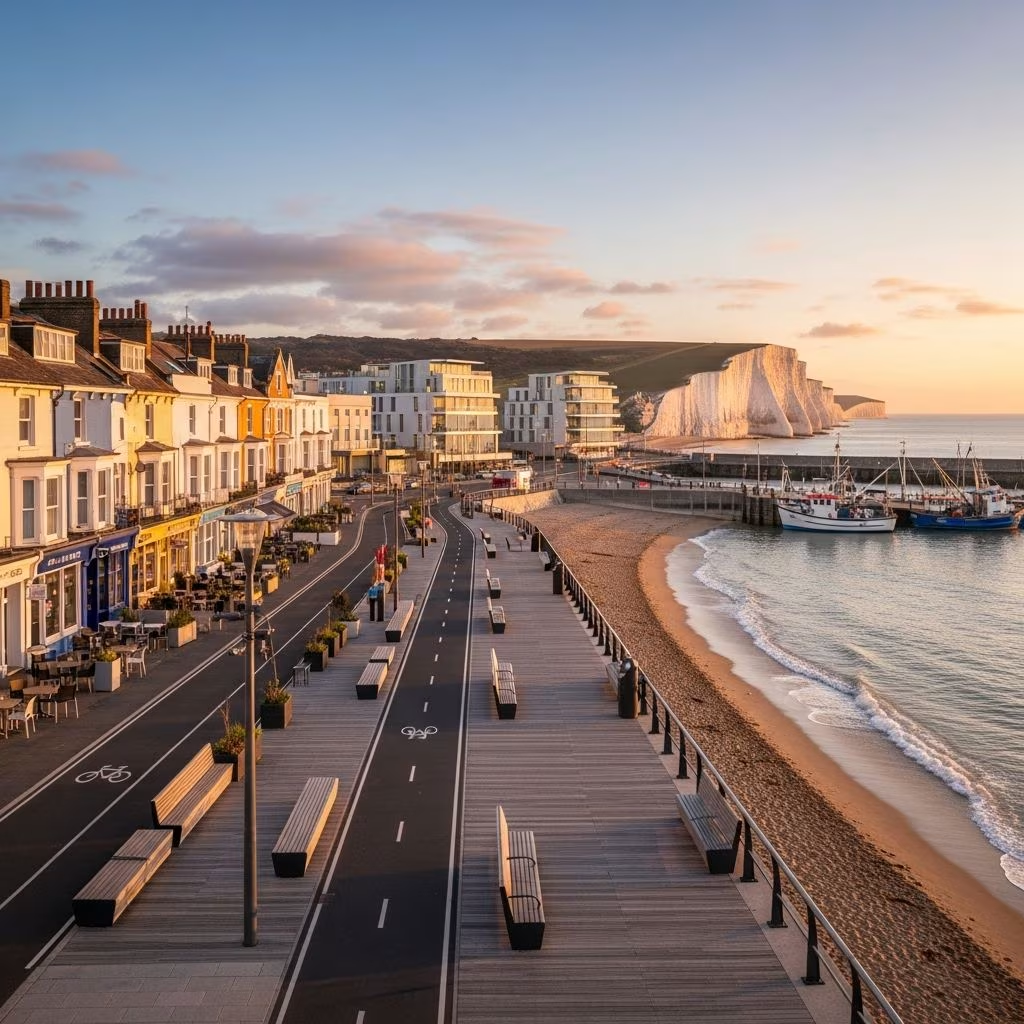
Explore Kent's revitalized coastline featuring historic landmarks, artistic communities, award-winning beaches, and culinary excellence across picturesque seaside towns.
 Travel Essentials
The southeastern coastline of England has undergone a remarkable transformation in recent years. Once perceived as a fading destination, the Kent coast has emerged as a vibrant hub of cultural activity, artistic innovation, and leisure experiences. With its combination of natural beauty, historical significance, and contemporary attractions, this 350-mile stretch of coastline now ranks among England’s most compelling travel destinations.
What distinguishes the modern Kent coast is the substantial cultural renaissance happening across its seaside communities. Local artists and entrepreneurs have invested in transforming overlooked spaces into thriving cultural quarters and galleries. This shift has created an unexpected dynamic where traditional seaside charm meets contemporary creative expression. The region now attracts both heritage enthusiasts and those seeking cutting-edge artistic experiences, making it a uniquely multifaceted destination.
The coastline benefits from some of the UK’s most favorable weather patterns, with consistently sunny conditions compared to other regions. This climatic advantage has positioned Kent as an ideal destination for outdoor activities and beach-based leisure throughout the year.
The architectural landscape tells stories spanning nearly two millennia. Victorian and Georgian buildings line the harbors and town centers, creating picturesque settings that evoke different eras of British seaside culture. These structures provide atmospheric backdrops for contemporary dining, shopping, and accommodation experiences.
Medieval fortifications represent another layer of historical significance. These defensive structures, many dating back to the Middle Ages, offer insights into strategic military history. Visitors can explore interactive exhibits and immersive presentations that bring medieval and wartime periods to life, connecting past events to present-day understanding.
The white chalk cliffs are more than iconic landscape features—they represent a distinctive geological environment protected as a conservation area. These dramatic natural formations have become synonymous with English coastal identity. The chalk grassland ecosystem supports specialized plant communities and fauna found nowhere else in the region.
The clifftop environment has undergone significant rewilding initiatives. Exmoor ponies now graze the chalk grasslands as part of conservation efforts, creating unique opportunities for wildlife observation. Walking trails along the clifftops provide panoramic sea views while traversing this ecologically significant landscape.
The region’s maritime history reflects centuries of seafaring traditions and naval importance. Historic shipyards and naval dockyards have been preserved as museums, allowing visitors to examine vessels spanning different technological eras. From Victorian-era sloops to Cold War submarines, these maritime artifacts illustrate technological progression and naval strategy.
Underground wartime tunnels provide historically significant experiences, revealing how civilian populations sought shelter during aerial bombardments. These claustrophobic passages offer tangible connections to recent historical events, with interpretive displays explaining survival strategies and daily life during wartime conditions.
The coastline offers remarkable beach diversity, from sandy expanses to dramatic shingle formations. Blue Flag designations indicate excellent water quality and safety standards across multiple locations. This recognition reflects investment in coastal management and environmental protection.
Water sports infrastructure has expanded significantly, with equipment rental facilities and instruction services available at major beaches. Fishing opportunities attract both recreational and experienced anglers, with accessible shore-based and boat-based options.
Contemporary art galleries now occupy prominent positions within coastal communities. These institutions feature rotating exhibitions showcasing regional, national, and international artists. The presence of established galleries has attracted creative professionals, establishing the coast as an emerging art destination.
Artist communities have revitalized previously struggling neighborhoods, converting vacant commercial spaces into studios, galleries, and creative workshops. This organic development has created distinctive quarters where visitors can observe artistic creation firsthand and acquire original works directly from makers.
Theme parks and amusement facilities provide entertainment options spanning multiple generations. These venues have undergone substantial renovations, combining nostalgic charm with modern safety standards and contemporary attractions. Seasonal programming includes live performances, special events, and themed celebrations.
Entertainment venues extend beyond traditional amusement facilities. Restored buildings now house event spaces hosting concerts, theatrical productions, and community gatherings. These multipurpose venues have become cultural anchors within their respective communities.
The coastal communities have developed distinctive food cultures rooted in local ingredients and maritime traditions. Oyster cultivation remains a significant economic and cultural activity, with specific areas renowned for shellfish quality and flavor profiles.
| Culinary Experience | Characteristic | Typical Location |
|---|---|---|
| Fine Dining | Michelin-starred establishments featuring regional ingredients | Coastal villages and nearby countryside |
| Casual Seafood | Traditional fish and chips, fresh shellfish | Harbor areas and beachfront locations |
| Artisanal Markets | Locally-sourced produce and craft goods | Town harbors and community spaces |
| Specialty Beverages | Historic breweries and craft producers | Industrial heritage sites converted to venues |
Market culture has flourished, with craft and farmer’s markets operating regularly in town centers and harbor areas. These gatherings serve both practical and social functions, creating meeting points for locals and visitors while showcasing regional specialty foods.
Defensive fortifications pepper the coastline, representing different periods of military engineering and strategic thinking. These structures range from Iron Age hill forts to medieval castles to purpose-built coastal defense installations. Each represents distinct historical circumstances and technological capabilities.
Interior spaces combine preserved original features with modern interpretive displays. Visitors navigate authentic medieval warren rooms and passages while encountering interactive exhibits explaining historical context. Sound and light presentations dramatize significant historical events, creating immersive educational experiences.
Long-distance walking paths connect major attractions while providing extended coastal exploration opportunities. These established routes incorporate directional signage, rest facilities, and access to refreshment services at regular intervals.
Walking paths traverse diverse landscapes including clifftop grasslands, marshland reserves, and beach-level routes. Each environment offers distinct ecological and visual experiences. Seasonal variations provide different wildlife viewing opportunities and visual aesthetics throughout the year.
Traditional working harbors remain active commercial centers while accommodating leisure activities. Marina facilities support recreational sailing, with visitor moorings available for temporary stays. These active harbors maintain authentic maritime character while providing modern amenities.
Harbor-side development has balanced commercial fishing operations with leisure infrastructure, maintaining working waterfronts while accommodating tourism. Waterfront restaurants and cafes offer dining with water views, creating atmospheric settings for meals.
Designated nature reserves protect diverse habitats supporting specialized bird and plant communities. These protected areas provide structured viewing opportunities with interpretation facilities explaining ecological significance. Seasonal migrations create predictable wildlife viewing opportunities, particularly for bird enthusiasts.
Conservation areas support rare chalk grassland species and migratory bird populations. Guided walks and dedicated viewing platforms facilitate wildlife observation while minimizing habitat disturbance.
Historic narrow-gauge railways operate heritage steam trains connecting coastal communities. These preserved transportation systems provide both recreational experiences and functional connections between attractions. Passengers travel through landscapes unchanged from earlier tourism eras.
Rolling stock includes authentic Victorian-era and early 20th-century carriages and locomotives. Journey routes incorporate scenic viewpoints and access to attractions otherwise requiring vehicle transportation.
The region offers accommodation spanning luxury boutique hotels to traditional seaside guesthouses to self-catering cottages. Recent development includes contemporary properties combining modern amenities with heritage building preservation. Renovation projects have upgraded facilities while maintaining architectural authenticity.
Boutique hotels often feature on-site dining establishments and event facilities, positioning themselves as destination venues rather than purely accommodation providers. This diversification reflects broader tourism market trends toward experiential hospitality.
Independent retailers dominate shopping districts, offering distinctive merchandise unavailable through mainstream retailers. Antique shops, vintage dealers, and specialized boutiques create browsing experiences extending beyond typical consumption. These independent establishments often reflect proprietor expertise and personal collecting interests.
Market halls and covered shopping areas provide weather-protected retail environments while maintaining historic building character. These spaces function as community gathering points beyond purely commercial transactions.
Summer months offer warmest conditions and busiest facilities, while shoulder seasons provide milder weather with reduced crowds. Winter months feature dramatic coastal scenery, though some attractions maintain reduced operating schedules. The region’s relatively sunny conditions make spring and autumn particularly appealing for outdoor activities.
Direct rail services connect London terminals to major coastal towns with journey times under two hours. Vehicle access via motorways and A-roads provides alternative transportation options. Public transport connections create accessibility for day-trippers and extended stay visitors.
Sandy beaches with lifeguard services, family-friendly theme parks, interactive museums, and calm water bays provide age-appropriate options. Accommodation facilities increasingly offer family-oriented amenities and services.
Modern attractions have implemented accessibility standards including wheelchair access, accessible restroom facilities, and adapted viewing platforms. Beaches with accessible parking and beach facilities accommodate visitors with mobility limitations. Individual venues provide specific accessibility information.
Contemporary restaurants feature international cuisines, fine dining establishments offer chef-created menus, and casual cafes provide diverse options. Market vendors and specialty food shops offer prepared foods reflecting culinary trends beyond traditional seaside fare.
The Kent coast represents a successful example of heritage preservation combined with contemporary cultural development. By maintaining historical authenticity while embracing artistic innovation and culinary excellence, the region offers multifaceted appeal to diverse visitor interests. The combination of natural beauty, historical significance, and thriving creative communities positions the Kent coast as a compelling English destination meriting extended exploration and repeat visitation.
