

 Travel Essentials
 Travel Essentials

Explore Kenya's diverse coastal destinations from Lamu's ancient trading ports to Diani's world-class beaches, featuring water activities, cultural experiences, and natural wonders.
 Travel Essentials
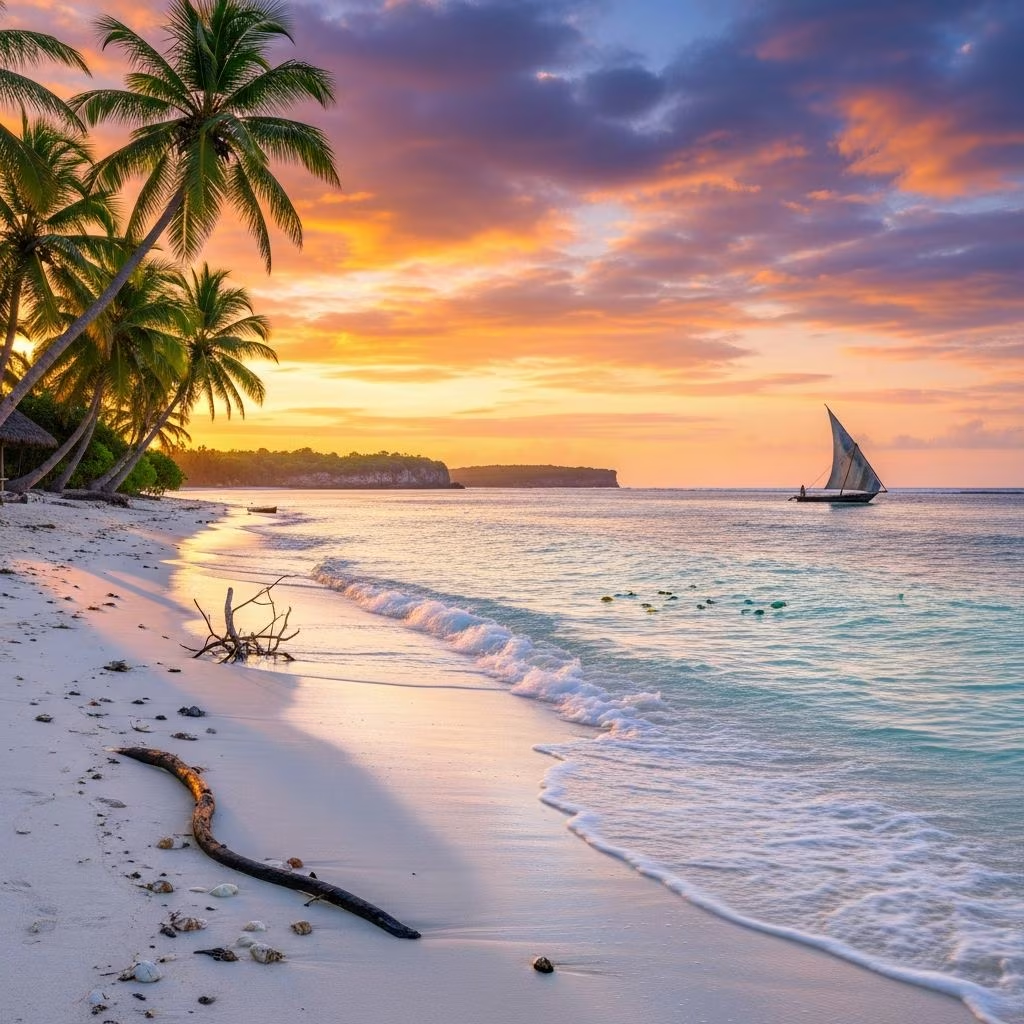
The Kenyan coastline stretches over 500 kilometers along the Indian Ocean, presenting an extraordinary tapestry of natural beauty, cultural richness, and maritime heritage. This extended ribbon of coastal paradise encompasses everything from historic stone towns steeped in centuries of trading tradition to contemporary beach resorts offering world-class amenities and water sports. With average temperatures hovering around 82°F and approximately eight hours of daily sunshine, Kenya’s beaches have earned their reputation as premier tropical destinations. Whether you seek adventure, relaxation, cultural immersion, or wildlife encounters, the Kenyan coast delivers diverse experiences that cater to every traveler’s preferences.
Kenya’s coastline divides naturally into distinct regions, each possessing unique characteristics and appeal. The northern coast features historic archipelagos and ancient trading settlements, the central section encompasses developed beach towns with contemporary infrastructure, and the southern reaches showcase pristine sands and marine protected areas. The geography encompasses numerous offshore islands, mangrove channels, and coral reef systems that create environments of exceptional ecological and recreational value. The consistent tropical climate ensures year-round visitability, though certain activities like dolphin safari experiences peak during specific seasons, particularly October through March.
Lamu stands as one of Africa’s most historically significant coastal settlements, having functioned as a vital trading port since 1370. The island’s narrow cobblestone alleyways wind past weather-beaten stone structures and hidden courtyards, creating an atmosphere where centuries seem to collapse into the present moment. Traditional wooden dhows continue their ancient practice of sailing in the distance, while wandering donkeys navigate the compact streets that prohibit modern vehicular traffic.
Visitors can explore the island’s spiritual dimension through its mosques, stroll through the adjacent Shela village with its distinctive architecture and peaceful ambiance, or venture to nearby Manda Island for additional beach experiences. The luxurious Majlis Resort offers opportunities for swimming and sophisticated refreshment, while ornate roof terraces provide vantage points for sunset contemplation. Traditional dhow sailing excursions represent perhaps the quintessential Lamu experience, combining maritime tradition with contemporary recreation.
Positioned geographically between northern and southern attractions, Watamu presents a compelling destination for travelers seeking moderate development balanced with natural authenticity. This low-key peninsula extends along a remarkably sculpted coastline featuring ancient coral islands and distinctive headlands. Behind this dramatic seascape lies Mida Creek, a deep mangrove ecosystem supporting diverse wildlife and creating scenic beauty.
Watamu’s traditional village maintains cultural authenticity while offering excellent beach facilities and outstanding diving and snorkeling opportunities. The nearby Arabuko-Sokoke National Park provides wildlife observation experiences, while the ancient Gedi ruins offer archaeological exploration and historical context regarding the region’s Swahili civilization. This combination of recreation, nature, and history makes Watamu particularly appealing for travelers desiring variety without extreme development or complete remoteness.
Located approximately two hours’ drive south from Mombasa along coastal roads, Kilifi Creek represents a dramatic geographical feature—a massive estuary of brilliant azure water that opens into the Indian Ocean. The majestic Kilifi Bridge, spanning this waterway, offers visitors their first glimpse of the cruising yachts and elegant villas scattered along the creek’s banks. The calm protected waters create ideal conditions for various water activities while the surrounding landscape combines natural scenic beauty with modern residential and recreational development.
The creek environment supports water sports, leisure boating, and relaxation while maintaining proximity to Mombasa’s urban center and amenities. This positioning makes Kilifi appealing for travelers seeking partial escape from city intensity while maintaining access to services and dining options.
As Kenya’s primary port city and coastal hub, Mombasa serves as both a transit point and significant destination in its own right. The city offers vibrant urban energy, cultural experiences, historic architecture, and access to extensive food scenes reflecting the coast’s diverse populations and trading heritage. Visitors can experience city tours exploring preserved traditional architecture, participate in food tours sampling authentic coastal cuisine, and interact with local communities in markets and cultural venues. The proximity to beaches and natural areas makes Mombasa a logical base for comprehensive coastal exploration.
Diani Beach represents the crown jewel of Kenya’s southern coastal region, stretching as a magnificent 25-kilometer arc of pale, sugary sand backed by the brilliant cerulean Indian Ocean. This wide, silvery strand shaded by towering palms and fringed with coral reef creates an environment of exceptional beauty and recreational potential.
As the most extensively developed coastal town, Diani offers comprehensive tourist infrastructure including diverse restaurants, cafés, bars, and shops catering to varied budgets and preferences. The beach’s extensive sandbars, exposed at low tide, permit excursions via traditional dugouts or glass-bottomed boats allowing underwater observation. Water sports options span from horse riding along the beach to kite-surfing on the open ocean, while terrestrial activities include guided tours through the ancient Kaya Kinondo forest reserve.
The 12-kilometer tarmac beach road running parallel to the shoreline connects various accommodation and dining establishments, eventually transitioning to gravel approaching Pinewood Beach Resort. This infrastructure supports leisurely exploration and spontaneous discovery of favorite venues and hidden gems.
Reaching Diani Beach from Mombasa involves a scenic journey combining various transportation modes. Travelers proceed to the Likoni Ferry terminal, accessible via matatu from central Mombasa locations. The complimentary ten-minute ferry crossing, though occasionally crowded, deposits passengers at Likoni where the next stage begins. From the ferry terminus, travelers board matatus heading toward Ukunda, a forty-minute journey during which passengers should alert conductors upon reaching the Diani junction. Final segments involve tuk-tuk or boda-boda transport along sandy roads to the actual beach area.
Beyond beach relaxation, Kenya’s coast supports exceptional water-based experiences. Traditional dhow sailing represents an iconic coastal activity, with various excursions available through accommodations or local captains. Full-day dhow trips permit diverse activities including swimming, kayaking, snorkeling, hammock reading, and crew interaction. Seasonal dolphin safaris, particularly October through March, provide opportunities to observe marine mammals in natural habitats. Snorkeling and diving activities explore coral reef ecosystems and marine protected areas, revealing the underwater biodiversity supporting this region’s ecological significance.
The Arabuko-Sokoke National Park provides wildlife observation opportunities including nature walks, with some operators offering giraffes as walking companions. The Gedi ruins offer archaeological perspectives on 15th-century Swahili civilization, revealing palace structures, marketplace layouts, and settlement patterns. Marine protected areas ensure sustainability of coral reef ecosystems while supporting recreational diving and snorkeling.
Kenyan coastal towns accommodate diverse traveler budgets and preferences. Diani Beach particularly excels in this regard, offering everything from budget-conscious options to luxury resorts. The Sands at Chale Island combines beach resort amenities with beautiful flora and fauna exploration. The Mnarani Club, positioned at Kilifi Creek’s seaward end, represents an enduring favorite balancing developed comfort with natural ambiance.
Coastal dining reflects the region’s multicultural heritage and maritime tradition, with fresh seafood featuring prominently across establishments ranging from casual beachside venues to sophisticated restaurants. Food tours in Mombasa and other towns offer guided exploration of authentic coastal cuisine and local food culture.
| Destination | Key Features | Best For | Primary Activities |
|---|---|---|---|
| Lamu | Historic trading port, traditional dhows, car-free streets | Cultural immersion, history enthusiasts | Dhow sailing, village exploration, architectural appreciation |
| Watamu | Coral islands, mangrove creek, national park proximity | Balanced recreation and nature | Diving, snorkeling, wildlife viewing |
| Kilifi Creek | Scenic estuary, calm waters, yacht presence | Water sports and leisure | Boating, water sports, scenic relaxation |
| Mombasa | Urban hub, historic architecture, cultural diversity | City exploration, transit base | Food tours, historical sites, cultural experiences |
| Diani Beach | 25km pristine sand, extensive development, reef system | Beach recreation and water sports | Swimming, kite-surfing, horse riding, snorkeling |
Kenya’s coastal climate remains favorable year-round, though specific activities peak during particular seasons. Dolphin safari experiences intensify during October through March when marine mammal migration patterns bring animals closer to shore. The consistent warm temperatures and regular sunshine mean outdoor activities remain viable throughout the year, allowing flexible travel planning based on personal schedules and specific experience preferences rather than strict climatic constraints.
Kenya’s coastal regions encompass multiple marine protected areas designed to preserve coral reef ecosystems and support sustainable tourism. Many contemporary tour operators emphasize ecological responsibility, incorporating carbon offset considerations and environmental conservation principles into their experiences. Travelers choosing operators prioritizing these values contribute to long-term coastal ecosystem preservation while enjoying authentic experiences.
Beyond major attractions, Kenya’s coast harbors numerous lesser-known experiences. Nearby beaches such as Tiwi and Takaungu offer alternatives to Diani’s crowds while maintaining excellent facilities. The sacred forest of Kaya Kinondo provides spiritual and natural exploration combining cultural significance with biodiversity. Archipelagos including Funzi with its mangrove channels and sandbars, and Kiwayu with its deserted stretches of sand, present off-the-beaten-path exploration opportunities.
Kenya’s coast offers exceptional conditions year-round, with temperatures consistently averaging 82°F and approximately eight hours daily sunshine. However, October through March provides optimal dolphin safari opportunities. Personal preferences regarding crowds, specific activities, and budget considerations should guide timing decisions.
Transportation varies by location. Lamu prohibits motor vehicles, requiring foot travel or traditional transport. Other towns employ matatus (shared minibuses), tuk-tuks, and boda-bodas. Ferries connect certain areas, as exemplified by the Likoni crossing to Diani.
Adventure seekers should prioritize snorkeling, diving, dhow sailing, and water sports. Culture enthusiasts should focus on Lamu’s historic sites, Mombasa’s food tours, and Gedi ruins exploration. Relaxation-focused travelers will appreciate Diani’s extensive amenities and Kilifi’s calm waters.
Yes, particularly in Diani Beach, which offers options spanning budget hostels through luxury resorts. Other coastal towns similarly accommodate diverse price ranges, though luxury options concentrate in specific developed areas.
Kenya’s coastline encompasses remarkable diversity within relatively compact geography. From Lamu’s medieval trading heritage through Watamu’s balanced development, Kilifi’s scenic waterways, Mombasa’s urban vibrancy, and Diani’s recreational paradise, the coast presents authentic experiences across cultural, natural, and recreational dimensions. The region’s consistent favorable climate, diverse accommodation options, comprehensive activity range, and welcoming communities create conditions for meaningful travel experiences accommodating varied preferences and budgets. Whether seeking cultural immersion, adventure activities, relaxation, or ecological exploration, Kenya’s coast delivers compelling reasons to include it within African travel plans.
