

 Travel Essentials
 Travel Essentials

Complete preparation guide covering documentation, packing, cultural etiquette, safety, and travel logistics for Kenya visitors.
 Travel Essentials
Kenya stands as one of Africa’s most visited destinations, attracting travelers from around the globe who seek extraordinary wildlife encounters, rich cultural experiences, and stunning natural landscapes. Whether you’re planning your first safari or returning for another adventure, thorough preparation transforms your trip from good to exceptional. This comprehensive guide addresses the critical information every visitor should understand before departure, covering everything from entry requirements and practical packing strategies to cultural considerations and transportation logistics.
Before booking your flights or accommodating time off work, understanding Kenya’s entry documentation is paramount. The country requires visitors to obtain an Electronic Travel Authorization (eTA) prior to arrival, with some exceptions based on citizenship and regional agreements. This streamlined digital system has replaced traditional visa applications for most travelers.
Visitors from North America, Europe (excluding Cyprus), Latin America, and most Asian countries must complete an online eTA application and pay a processing fee of approximately US$30. After submission, applicants receive an email confirmation within three days, providing official authorization to enter the country. Immigration officials will request this documentation upon arrival, making it essential to either have a printed copy or reliable digital access during your journey.
African Union member states enjoy visa-free travel privileges, allowing citizens from African nations to visit Kenya for up to 60 days without pre-authorization as of July 2025. However, all visitors regardless of origin must carry a valid passport with at least six months of remaining validity and two blank pages for entry stamps.
Additionally, travelers arriving from countries with yellow fever risk should carry proof of yellow fever immunization, as entry may be denied without proper vaccination documentation. This requirement protects Kenya’s public health and should be verified with your healthcare provider well before departure.
A visit to your healthcare provider or travel medicine clinic should occur at least four to six weeks before your planned departure. Kenya poses minimal health risks compared to some African destinations, yet certain vaccinations offer significant protection against common travel-related illnesses.
Medical professionals typically recommend immunization against Hepatitis A, typhoid fever, and yellow fever for Kenya visitors. Yellow fever vaccination is particularly important if you plan to visit lower-altitude regions or national parks. Additionally, ensuring your routine vaccinations remain current—including measles, mumps, and rubella protection—provides essential safeguarding.
Malaria transmission occurs in certain regions, particularly coastal areas and lower-altitude zones. Consult your healthcare provider about antimalarial medications if visiting these regions, and employ preventative measures including insect repellent containing DEET, lightweight long-sleeved clothing during dawn and dusk hours, and mosquito netting in accommodations lacking adequate screening.
Kenya’s climate varies dramatically depending on altitude and geographic location, making strategic packing essential for comfort and preparedness. While the country sits on the equator and many visitors envision perpetually hot conditions, this assumption leads to inadequate preparation for cooler temperatures encountered in specific regions and times of day.
Early morning and evening temperatures, particularly during safari game drives, can drop significantly below daytime heat levels. A lightweight fleece jacket or cardigan provides essential warmth without excessive bulk, while a windproof rain jacket offers protection during the rainy seasons (March through May and October through November). Highlands and mountainous regions experience substantially cooler temperatures year-round, necessitating warmer layers even during warmer months.
For daytime wear in hot regions, breathable fabrics in neutral colors facilitate comfortable exploration while reducing insect attraction. Light-colored, loose-fitting clothing reflects heat and allows air circulation, providing practical advantages beyond mere comfort. Avoid bright whites, blacks, and blues during wildlife viewing, as these colors may disturb animals during safaris.
Footwear selection merits careful consideration. Sturdy hiking boots with ankle support prove invaluable during nature walks and uneven terrain navigation, while lightweight sandals suit urban exploration and beach environments. Quick-dry clothing accommodates unexpected weather or water activities without becoming uncomfortable.
Kenya’s remarkable cultural diversity encompasses approximately 40 ethnic groups, each maintaining distinct traditions, values, and social norms. Demonstrating respect for local communities significantly enriches your experience while supporting sustainable tourism practices that benefit residents long-term.
Photography represents one of the most sensitive cultural interactions. Never photograph people, especially in rural areas, without explicit permission. When you wish to capture someone’s image, politely ask in advance, and after taking the photo, show the subject their image on your camera or device. If planning to share photos on social media or in publications, consider requesting subjects sign a consent form acknowledging their agreement to image publication. This practice honors individual dignity and autonomy.
Exercise particular caution around vulnerable populations including children, elderly individuals, and those clearly uncomfortable with photography. What might feel like harmless documentation in your cultural context could represent uncomfortable intrusion in others’ frameworks. When visiting schools, religious sites, or community spaces, contemplate whether your presence would seem appropriate or intrusive in equivalent settings within your home country.
Dress codes vary by region. While Kenya is moderately conservative, urban areas like Nairobi, established safari lodges, and mainstream tourist destinations generally accept shorts, sleeveless tops, and casual dresses. However, Muslim-majority communities like Lamu Town expect more conservative dress, with covered shoulders and legs showing respect for religious and cultural values. This dress code adjustment also proves practically comfortable given the heat.
Getting around Kenya depends on your location and comfort level with various transportation modes. Major cities like Nairobi offer ridesharing applications including Uber, Lyft, and Taxify, providing convenient, documented transportation with negotiated fares. These services operate similarly to their international counterparts, though surge pricing and service availability vary by area and time.
For budget-conscious travelers and those seeking authentic local experiences, matatus—colorful shared minibuses decorated with vibrant art—offer an economical transportation option throughout Kenyan towns and regions. These vehicles operate on established routes and accommodate passengers until full, creating social environments where you’ll interact with locals. However, safety standards differ from formal transportation services.
Most Kenyan towns and destinations connect through bus networks, with numerous companies operating intercity routes. These services range from basic transport to coach-style vehicles with amenities. Booking through established tour operators or recognized bus companies provides greater security and comfort than informal options.
For safari and national park experiences, visitors typically utilize tour buses operated by established safari companies, which include transportation, professional guides, and coordinated game viewing. This approach eliminates navigation concerns and enhances wildlife viewing through guide expertise.
Kenya presents contrasting rhythms depending on location. Urban centers like Nairobi maintain rapid-paced lifestyles comparable to any metropolitan area, with bustling commerce, traffic congestion, and time-conscious business operations. Visitors accustomed to urban environments will find the city’s pace familiar.
Coastal regions around Mombasa, Malindi, and Lamu, however, operate with noticeably relaxed atmospheres influenced by warm temperatures, humidity, and coastal island culture. Heat and moisture naturally encourage slower daily rhythms, with extended meal breaks, afternoon rests during peak sun hours, and evening social activities replacing afternoon productivity. Adjusting expectations about scheduling and timeline flexibility enhances enjoyment of these regions rather than creating frustration.
Kenya maintains a solid safety record for tourists, particularly within established game reserves, national parks, and popular tourist destinations. However, certain regions warrant avoidance due to security concerns or instability. Areas within 60 miles of the Kenya-Somalia border present ongoing security risks and should be avoided entirely. Garissa County and Lamu County (with exceptions for Lamu Island and Manda Island, best accessed by air) similarly experience periodic instability.
Standard urban safety practices apply: remain alert in locations frequented by tourists, avoid displaying excessive jewelry or electronics, and be aware of your surroundings, particularly during evening hours. In the unlikely event of robbery or crime, non-resistance prevents escalation and protects personal safety more effectively than confrontation.
Check current local media and official government travel advisories before departure and throughout your stay, as situations evolve and recommendations update accordingly. Travel insurance providing medical evacuation coverage proves prudent given Kenya’s vast geography and remote park locations, where rapid medical transport to advanced facilities may require air evacuation.
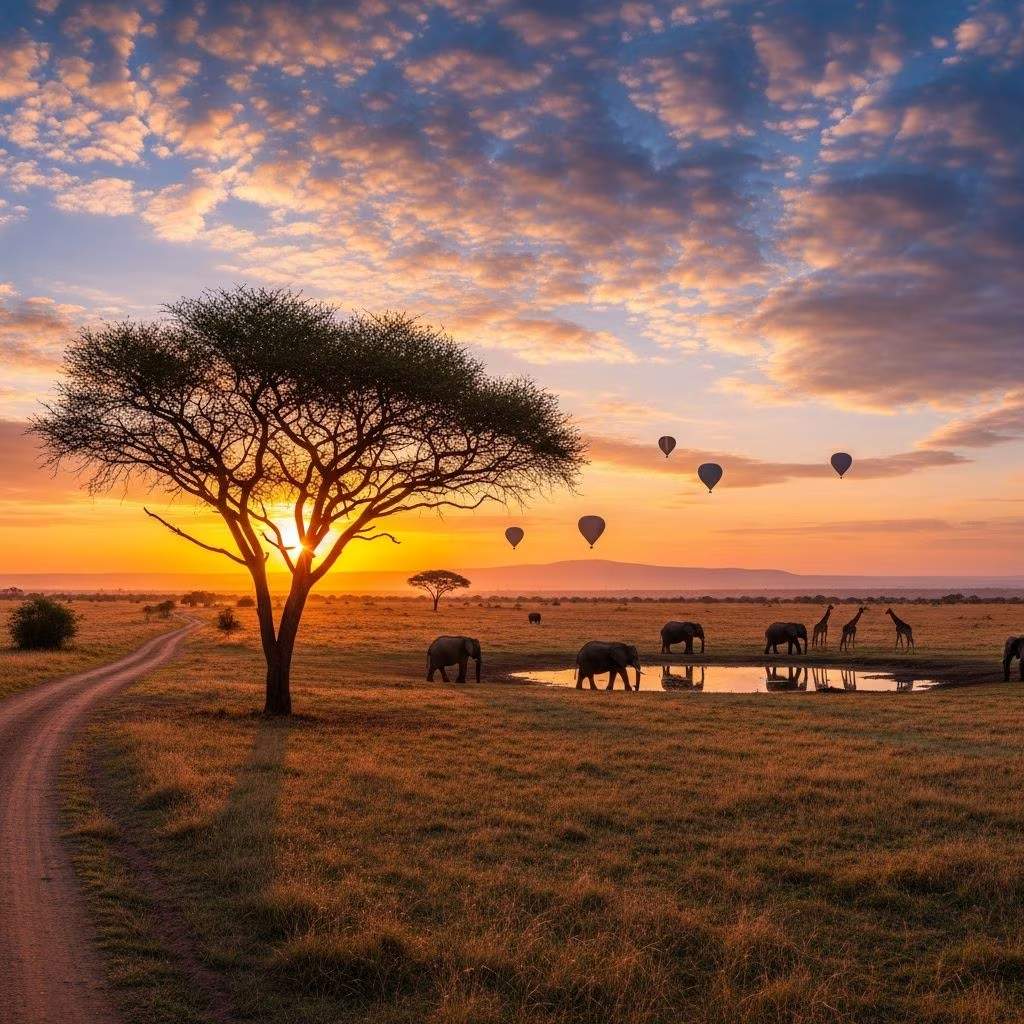
Kenya’s international reputation rests substantially on exceptional wildlife viewing opportunities. The Big Five—lions, leopards, elephants, Cape buffalo, and rhinoceroses—represent the safari experience’s ultimate achievement, though spotting all five during a single trip requires luck combined with sufficient time in parks. Kenya’s ban on hunting, coupled with private and community-based conservation initiatives, has maintained healthy populations of large animals and abundant predator species.
Major national parks and reserves include Maasai Mara National Reserve, famous for the spectacular wildebeest migration moving through the Masai Mara-Serengeti ecosystem, Amboseli National Park with its exceptional elephant viewing opportunities and Mount Kilimanjaro backdrop, and Tsavo with diverse wildlife across vast territorial ranges. These parks deliver some of Africa’s most accessible game viewing, making Kenya an excellent choice for first-time safari visitors.
Beyond safari experiences, Kenya offers cultural tourism through Maasai village visits, allowing visitors to learn about traditional ways of life, observe authentic bomas (enclosures), and understand cultural heritage within living communities. Specialized attractions like The Giraffe Centre in Nairobi provide hands-on wildlife education and rare opportunities to feed giraffes directly while supporting conservation efforts meeting international animal welfare standards.
English functions as an official language throughout Kenya, and tourists in most settings will find English speakers ready to assist. The country’s multilingual character reflects 40 different ethnic groups, each maintaining traditional languages alongside English and Swahili, Kenya’s second official language.
Learning basic Swahili phrases enhances interactions and demonstrates cultural respect. “Asante” (thank you) expressed when granted permission to photograph or receiving assistance acknowledges appreciation and shows consideration. “Jambo” or “Habari” serve as greetings, “Pole” means relax or wait, and “Tafadhali” means please. These simple terms facilitate meaningful connections with local communities.
| Preparation Category | Key Action Items | Timeline |
|---|---|---|
| Documentation | Apply for eTA; verify passport validity and blank pages; obtain yellow fever documentation if required | 6-8 weeks before departure |
| Health | Visit travel medicine clinic; obtain recommended vaccinations; acquire antimalarial medications if indicated | 4-6 weeks before departure |
| Packing | Gather layered clothing; select appropriate footwear; prepare sun protection and insect repellent | 2-3 weeks before departure |
| Logistics | Book accommodations and transportation; arrange tour operators; verify insurance coverage | 4-12 weeks before departure |
| Cultural Preparation | Research regional customs; learn basic Swahili phrases; understand photography etiquette | Ongoing before and during visit |
Kenya awaits visitors with unparalleled natural beauty, remarkable wildlife diversity, and vibrant cultural traditions. Thorough preparation transforms your experience from logistical navigation into immersive adventure. By addressing documentation requirements, health precautions, appropriate packing, cultural sensitivity, and safety awareness before departure, you position yourself to focus entirely on experiencing one of Africa’s most compelling destinations.
The investment in preparation demonstrates respect for Kenya as a nation and its people as individuals worthy of thoughtful engagement. This approach creates mutually beneficial tourism that generates economic benefits for communities while preserving the natural and cultural assets that make Kenya extraordinary for generations to come.
