


 Food & Culture
Food & Culture
Kolkata Food Guide: Bengali, Mughlai, Indo-Chinese & Street Eats
Explore Kolkata's diverse food scene, from traditional Bengali sweets and fish dishes to Anglo-Indian stews, Indo-Chinese street eats, and historic eateries shaping India's gastronomic capital.
 Food & Culture
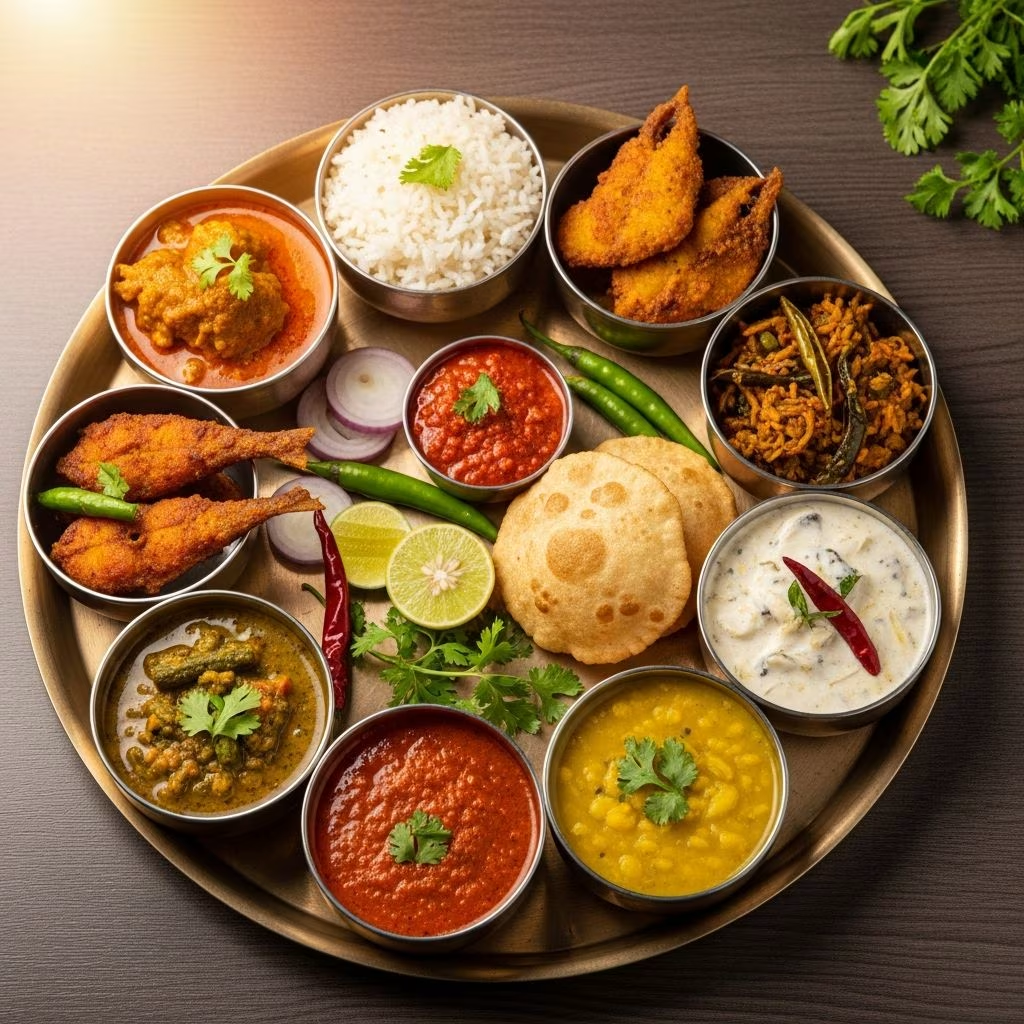
Kolkata, once known as Calcutta, stands as a testament to India’s diverse culinary landscape. This bustling metropolis has evolved its food culture through centuries of trade, migration, and colonial encounters, creating a unique fusion that captivates food lovers worldwide. Traditional Bengali fare meets innovative twists from European, Chinese, Mughlai, and other communities, resulting in dishes that are bold, comforting, and deeply flavorful.
The Roots of Bengali Cuisine
At the heart of Kolkata’s food scene lies authentic Bengali cuisine, shaped by the region’s fertile lands and abundant rivers. Rice forms the staple, paired with fresh vegetables and river fish prepared using minimal yet aromatic spices. This simple yet profound style reflects an agrarian lifestyle, emphasizing seasonal produce and subtle sweetness from mustard oil and poppy seeds.
Iconic dishes include ilish maach bhaja, where hilsa fish is lightly fried to highlight its natural oils, and doi maach, tender fish pieces simmered in yogurt for a creamy texture. Vegetables like begun bhaja (fried eggplant) add crunch, while dal preparations provide everyday nourishment. These meals are often enjoyed family-style, underscoring the Bengali proverb that they “live to eat.”
Colonial Influences: European Fusion
The arrival of Europeans dramatically transformed Kolkata’s palate. British, Portuguese, Dutch, French, and Swiss traders introduced potatoes, chilies, and baking techniques, which local chefs adapted with indigenous flair. What emerged was a hybrid cuisine blending Continental methods with Bengali spices.
Consider the Kolkata fish fry, an evolution of British fish and chips, where fillets are marinated in spices, battered, and deep-fried for a crispy exterior. Similarly, dimer devil reimagines deviled eggs as spiced minced meat-wrapped boiled eggs, fried to perfection. Bakeries like Flury’s, opened by a Swiss couple in 1927, popularized European-style pastries, breakfasts, and cakes that remain staples today.
Anglo-Indian contributions add another layer, with hearty stews like railway lamb curry—slow-cooked with vinegar and spices—and ball curry featuring spiced koftas in gravy. These dishes, born from mixed heritage communities, shine during festive seasons, especially Christmas, alongside guava cheese and oxtail preparations.
Mughlai Opulence in Everyday Eats
The exile of the Nawab of Oudh in 1856 brought royal cooks to Kolkata, birthing Kolkata Mughlai cuisine. Rich, buttery gravies envelop meats and breads, offering indulgent contrasts to lighter Bengali fare. Signature items include mutton rezala, a white gravy dish fragrant with cashews and yogurt, and kolkata biryani, distinguished by its potato inclusions and subtle spicing.
Eateries like Peter Cat on Park Street serve these classics alongside kebabs, drawing crowds for their smoky flavors. The lunch buffets at places like 6 Ballygunge Place showcase thalis brimming with kosha mangsho (slow-braised mutton) and aromatic pulaos, providing a comprehensive taste of this legacy.
Indo-Chinese Street Food Revolution
Chinese migrants in the 1800s introduced Hakka noodles and manchurian, which Kolkata reinterpreted into a spicy, veggie-packed Indo-Chinese style. Today, it’s a street food phenomenon, with vendors slinging chicken chili, veg manchurian, and crispy momos—steamed or fried dumplings stuffed with cabbage, chicken, or buff.
Bar-B-Q and Peter Hu exemplify this fusion, offering schezwan dishes and hakka chowmein laced with green chilies. The Nepali influence via Kalimpong settlers amplified momos’ popularity, alongside thukpa noodle soups, making them ubiquitous afternoon snacks.
Vegetarian Waves: Marwari, Gujarati, and South Indian
Burrabazar’s trading hubs pulse with Marwari and Gujarati vegetarian delights. Expect thalis laden with undhiyu (mixed veggie stew), dhokla (fermented cakes), and fafda-jalebi combos. Chanachur, a spicy puffed snack, owes its origins here, perfect for evening munchies.
South Indian communities around Lake Market brought dosas and idlis since the early 1900s. Spots like Ramkrishna Lunch Home serve crisp dosas with sambar and chutneys, alongside filter coffee, providing crispy, tangy relief from richer meats.
| Cuisine Influence | Key Dishes | Signature Spots |
|---|---|---|
| Bengali | Ilish bhaja, Shorshe ilish | 6 Ballygunge Place |
| European/Anglo | Fish fry, Dimer devil | Flury’s, Trincas |
| Mughlai | Mutton rezala, Biryani | Peter Cat |
| Indo-Chinese | Momos, Manchurian | Bar-B-Q |
| Vegetarian | Dosa, Dhokla | Ramkrishna, Burrabazar |
Sweet Indulgences: Kolkata’s Dessert Paradise
No culinary tour skips Kolkata’s sweets, renowned for their milky richness. Rosogolla, spongy cheese balls in sugar syrup, and sandesh variants like baked or nolen gur-infused, melt indulgently. Balaram Mullick, crafting since 1885, excels in these, alongside mishti doi (sweet yogurt).
- Rosogolla: Syrup-soaked chhena balls, best fresh.
- Sandesh: Pressed cheese sweetened subtly.
- Mishti Doi: Fermented yogurt with jaggery.
- Ledikenki: Sandesh encased in delicate pastry.
Street Food Trails and Iconic Haunts
Street vendors define Kolkata’s casual dining. Mitra Cafe, since 1910, fries up prawn cutlets, mutton chops, and mughlai paratha—flaky bread stuffed with spiced mince. Park Street’s cluster—Mocambo, Kwality, Trincas—offers live music with Continental, Chinese, and Indian fare.
Wow! Momo chains modernize dumplings, while Barbecue Nation tempts with grills. For authenticity, navigate New Market for kathi rolls or Tiretta Bazaar for morning dim sum from Kolkata’s Chinatown.
Practical Tips for Food Explorers
Visit during Durga Puja for pandal-hopping feasts or Christmas for Anglo sweets. Opt for lunch thalis to sample variety affordably. Hydrate with fresh coconut water or thanda (rose sherbet). Vegetarians thrive with dosas and chaat; pescatarians revel in fish. Always try phuchka (spicy puffed crisps) from trusted carts.
FAQs
What is Kolkata’s signature dish?
Kolkata fish fry or rosogolla top the list, blending local spice with innovation.
Is Kolkata food spicy?
Moderately; Bengali leans mild-sweet, Mughlai and Chinese add heat.
Best time for street food?
Evenings in markets like Burrabazar or Park Street for freshness and vibe.
Vegetarian options in Kolkata?
Abundant: dosas, thalis from South Indian and Marwari spots.
Iconic sweet shop?
Balaram Mullick for rosogolla and sandesh since 1885.
References
- A journey through time in Calcutta – Great British Chefs — Great British Chefs. 2023. https://www.greatbritishchefs.com/features/calcutta-food-guide-alfred-prasad
- Eating Kolkata: India’s Food Capital – GoNOMAD Travel — GoNOMAD. 2023. https://www.gonomad.com/229559-eating-kolkata-indias-food-capital
- A Food History of Calcutta — Kalampedia. 2022-04-08. https://kalampedia.org/2022/04/08/a-food-history-of-calcutta/
- Customs & Cuisine of India | Kolkata — Together Women Rise. 2023. https://togetherwomenrise.org/customsandcuisine/customs-cuisine-of-india-ek-tara/
- Kolkata food- the cultural melting pot — Moha Mushkil. 2023. https://moha-mushkil.com/kolkata-food-the-melting-pot-multiple-community-influence/
On This Page
The Roots of Bengali Cuisine Colonial Influences: European Fusion Mughlai Opulence in Everyday Eats Indo-Chinese Street Food Revolution Vegetarian Waves: Marwari, Gujarati, and South Indian Sweet Indulgences: Kolkata's Dessert Paradise Street Food Trails and Iconic Haunts Practical Tips for Food Explorers FAQs← Previous
Best Restaurants in Portland, Maine: A Guide to the City’s Food Scene
Next →
Hotel Composting Solutions for Food Waste Reduction
Related Reading
More in Food & Culture
Food & Culture Food & Culture
 Food & Culture
Best Places to Eat in Rome: Neighborhood Dining Guide
 Food & Culture
 Food & Culture