

 Travel Essentials
 Travel Essentials

Explore Komodo National Park's iconic Komodo dragons, diverse marine life, hiking trails, and unique beaches. A complete guide to its islands, activities, and conservation efforts.
 Travel Essentials
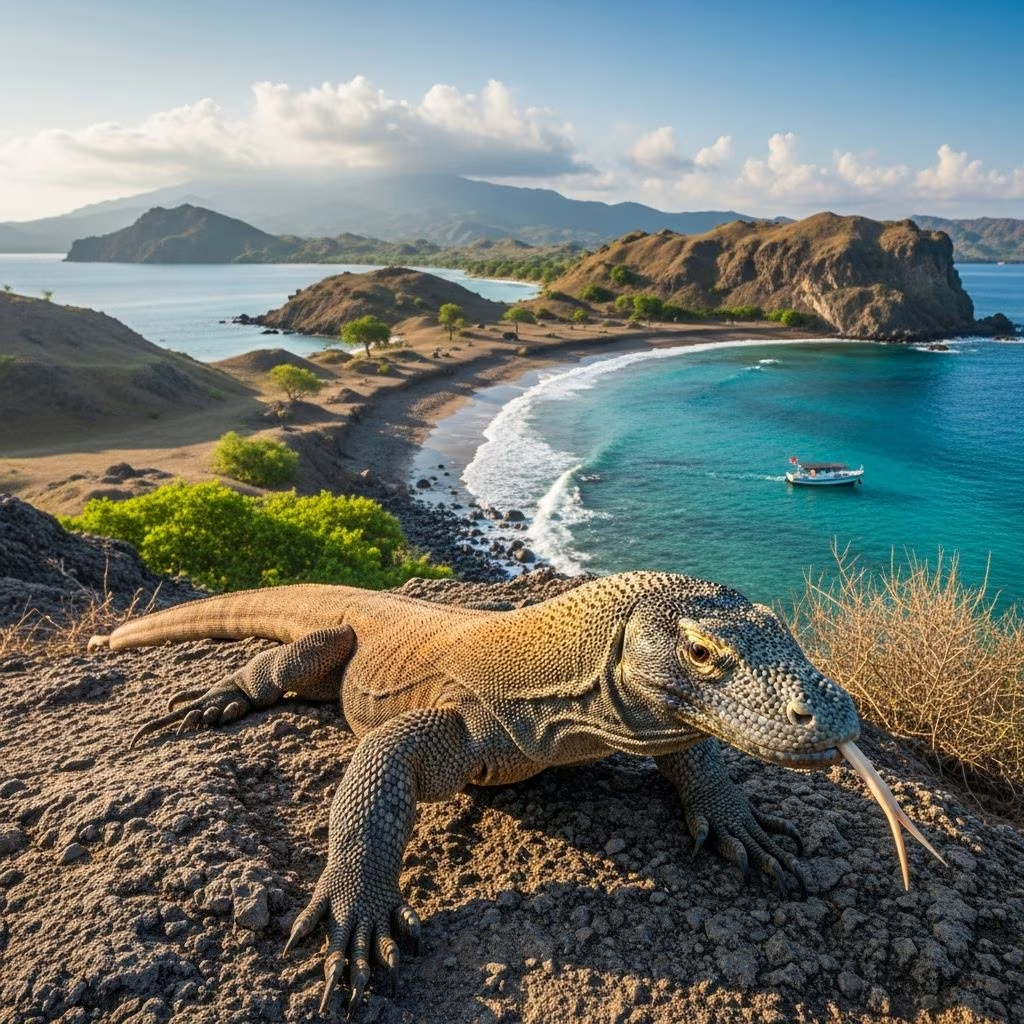
Indonesia’s Komodo National Park stands as a premier destination for nature lovers, encompassing a stunning 603 square kilometer archipelago in the Lesser Sunda Islands. This UNESCO World Heritage Site is celebrated for its extraordinary biodiversity, featuring the world’s largest lizards, thriving coral ecosystems, and dramatic landscapes that blend rugged savannas with pristine coastlines.
The Komodo dragon, scientifically known as Varanus komodoensis, is the park’s star attraction. These formidable reptiles, the largest living lizard species, can reach lengths of up to 3 meters and weights exceeding 70 kilograms. Endemic to these volcanic islands, they represent a relic population with significant evolutionary importance. Found primarily on Komodo and Rinca Islands, around 5,700 individuals roam freely, preying on deer, pigs, and even buffalo.
Guided treks are mandatory for safe viewing, as rangers provide insights into their behavior, venomous bite, and hunting strategies. On Komodo Island, short loops near ranger stations allow sightings of juveniles climbing trees to evade cannibalistic adults, while longer hikes traverse savannas and forests.
Komodo National Park spans multiple islands, each offering distinct experiences. Here’s a breakdown of key spots:
| Island | Main Attractions | Trek Duration | Best For |
|---|---|---|---|
| Komodo | Dragons, Pink Beach | 30 min – 3 hrs | Iconic sightings |
| Rinca | Active dragons, views | 1-2 hrs | Hiking enthusiasts |
| Kalong | Bat exodus | Short walk | Sunset watching |
Beneath the waves, Komodo rivals the world’s top dive sites with over 1,000 fish species, 260 corals, manta rays, sharks, turtles, dolphins, dugongs, and whales drawn by strong currents. Iconic locations include:
Dive safaris explore northern, central, and southern regions, catering to beginners and experts. Snorkeling at Pink Beach combines terrestrial and marine adventures seamlessly.
Pink Beach earns its rosy hue from crushed red coral and foraminifera mixed with white sand, creating a surreal backdrop for swimming and photography. Accessible from Komodo Island, it’s ideal for relaxation post-trek. Other beaches feature brilliant white sands contrasting thorny vegetation and surging blue waters.
Komodo’s fauna extends far beyond lizards. Terrestrial highlights include Timor deer, wild pigs, buffalo, orange-footed scrub fowl, endemic rats, and over a thousand migratory birds like the lesser frigatebird, yellow-crested cockatoo, and white-bellied sea-eagle.
Marine life dazzles with green turtles, manta rays, and reef inhabitants. Birdwatchers thrive on Rinca, spotting species amid savanna hikes.
Hiking reveals the park’s contrasts: dry hillsides, pockets of green, and ocean vistas. Trails vary by fitness:
Prepare for heat—carry water, sunscreen, and sturdy shoes. Rangers ensure safety and educate on ecosystems.
Access via Labuan Bajo on Flores Island, with day tours or liveaboards. Entry fees support conservation; guided tours are required. Best season: April-November (dry). Pack reef-safe sunscreen, as currents demand respect.
Komodo’s fragile ecosystems face tourism pressures. UNESCO status underscores protection of dragons and reefs. Follow ‘leave no trace’ principles: no feeding animals, stick to paths, use designated facilities. Fees fund ranger patrols and habitat restoration.
| Day | Morning | Afternoon | Evening |
|---|---|---|---|
| 1 | Rinca trek & dragons | Pink Beach snorkel | Kalong bat viewing |
| 2 | Komodo Island hike | Manta Point dive | Labuan Bajo sunset |
Yes, with mandatory rangers ensuring safe distances. Dragons are wild but encounters are controlled.
Dry season (April-November) offers optimal weather for hiking and diving.
No, snorkeling at sites like Pink Beach provides stunning views for all levels.
As apex predators, they regulate prey populations, maintaining balance.
Limited; most stay in Labuan Bajo with day boats. Liveaboards offer immersive stays.
Komodo blends raw wilderness with accessible adventures, from prehistoric lizards to world-class reefs. Its 25 endangered species and migratory bird havens make it a biodiversity hotspot. Whether hiking rugged trails, diving pinnacles, or witnessing bat swarms, the park delivers visceral nature immersion.
Combine land and sea for bucket-list memories. As tourism grows, responsible visits preserve this paradise for future explorers.
