


 Food & Culture
Food & Culture
Kona Coffee Country: Best Farm Tours, Tastings & Road Trip Guide
Explore Kona coffee farms, learn about unique growing conditions, join guided tours, and savor pure brews amid volcanic landscapes on the Big Island.
 Food & Culture
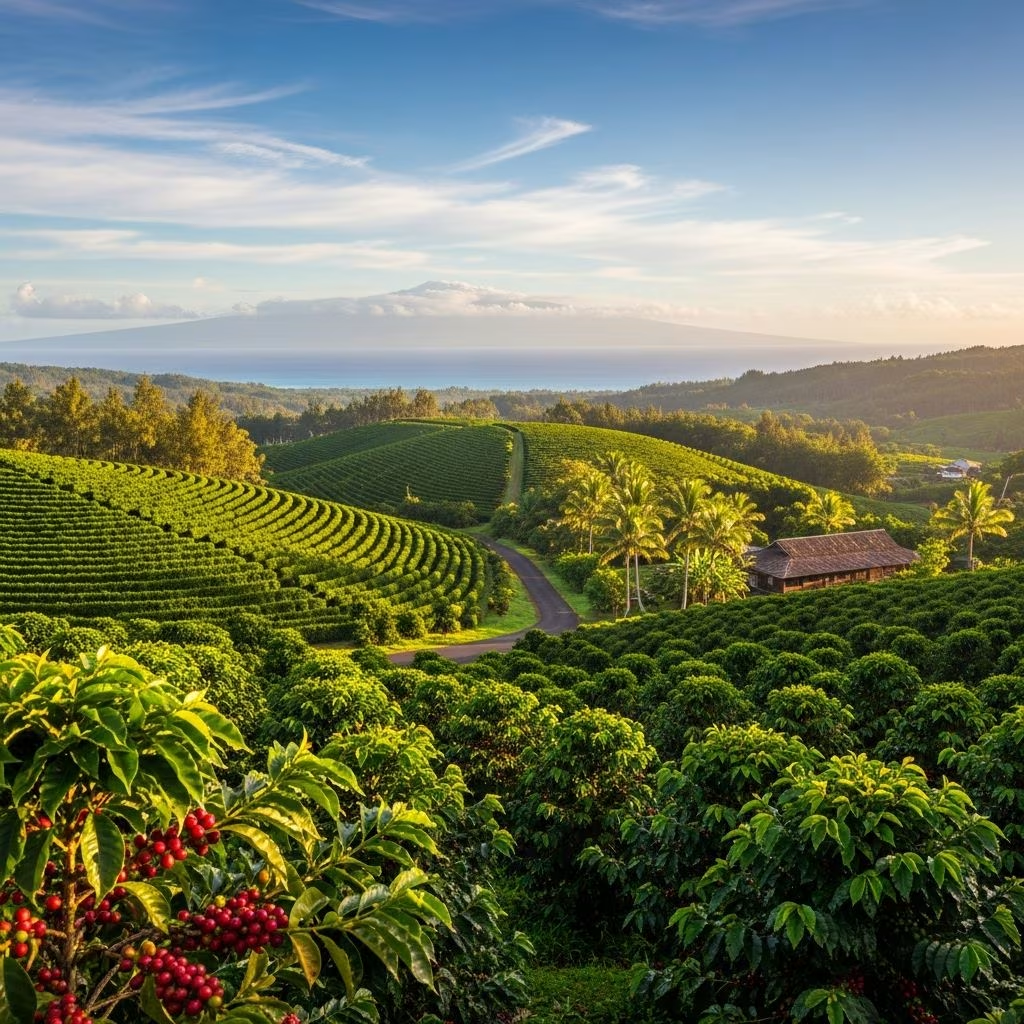
Nestled on the sun-drenched slopes of Hawaii’s Big Island, Kona coffee country offers a captivating blend of agriculture, history, and natural beauty. This narrow belt of fertile land, stretching between Kailua-Kona and Captain Cook, produces some of the world’s most prized coffee beans thanks to ideal microclimates of volcanic soil, gentle rains, and protective mountain breezes. Visitors flock here not just for the smooth, aromatic brews but for immersive experiences that reveal the labor-intensive journey from tree to cup. Whether you’re a coffee aficionado or a curious traveler, a day among these lush plantations promises unforgettable insights and flavors.
The Unique Terroir Behind Kona’s Famous Beans
Kona coffee thrives in elevations between 1,000 and 3,000 feet, where consistent cloud cover shields plants from harsh sun while providing daily mist. The region’s porous lava rock retains moisture and nutrients, creating a mineral-rich environment unmatched elsewhere. Over 650 farms dot this 20-mile stretch, ranging from small family operations to larger estates, each contributing to the legacy started in the 19th century.
Harvest season from August to February transforms the landscape with white “Kona snow” blossoms giving way to vibrant red cherries. Hand-picking ensures only ripe fruit is selected, a meticulous process that defines the coffee’s quality. Unlike mass-produced varieties, 100% Kona demands purity—no blends—to capture its signature bright acidity, medium body, and floral notes.
Planning Your Coffee Country Adventure
Accessing these farms requires navigating winding roads like Highway 11 and Mamalahoa Highway, which offer sweeping ocean vistas and glimpses of coffee-laden trees. Start early to beat crowds, and book tours in advance, especially during peak season. Wear comfortable shoes for uneven terrain, bring sunscreen, and stay hydrated—the tropical climate can be deceptively warm. Most sites welcome walk-ins for tastings, but guided experiences add depth.
- Best time to visit: September to December for active harvests and fewer tourists.
- Transportation: Rent a car for flexibility; roads are narrow but paved.
- Cost range: Free tastings to $35+ for in-depth tours.
- Duration: Half-day to full-day itineraries easily fill a visit.
Top Farms for Immersive Tours and Tastings
Dozens of farms open their gates to the public, each with distinct offerings. Here’s a curated selection highlighting variety in history, scale, and scenery.
| Farm Name | Location | Tour Highlights | Cost | Schedule |
|---|---|---|---|---|
| Hula Daddy Kona Coffee | North of Hōlualoa | Orchard walk, roasting demo, dual tastings with ocean views; 45-60 minutes | $35 | Tue, Wed, Fri; 9:45am-12:30pm |
| Kona Coffee Living History Farm | Captain Cook | Self-guided historic site with interpreters demonstrating Japanese immigrant life; 5.5 acres | $20 | Tue & Fri; 10am-2pm |
| Greenwell Farms | South Kona | Seed-to-cup process on 150-acre estate; pre- and post-tour samples | Free | Mon-Thu; 8am-3pm |
| Heavenly Hawaiian Coffee Farm | Kona Coast | Panoramic views, flexible tours, pour-overs and cold brews | Varies | Mon-Sat; 9:15am-4pm |
These spots exemplify the diversity: Hula Daddy excels in epicurean education and views, while the Living History Farm transports you to 1920s rural life with original structures preserved by the Kona Historical Society.
Self-Drive Itinerary: A Full Day in Coffee Country
Craft your own adventure along the Kona Coffee Belt for a personalized road trip. Begin in artistic Hōlualoa village, then descend into plantation heartlands.
- Morning: Hōlualoa Start (9am) – Sip at a roadside stand amid galleries; short drive to Hula Daddy for a premium tour.
- Mid-Morning: Greenwell Farms (11am) – Free guided walk learning from fourth-generation farmers.
- Lunch Break (1pm) – Picnic overlooking the coast or grab farm-fresh eats in Captain Cook.
- Afternoon: History and Tastings (2pm) – Explore Kona Coffee Living History Farm’s cultural demos.
- Late Afternoon: Heavenly Hawaiian (4pm) – Relax with coastal panoramas and specialty brews.
This route covers 20 scenic miles, blending education, flavors, and photo ops. Allow 6-8 hours, with stops for the iconic painted church and wild guava groves.
Understanding the Coffee Production Process
From blossom to brew, Kona’s methods emphasize sustainability and tradition. Trees flower after rains, yielding cherries after 9 months. Harvested by hand, cherries undergo wet or dry processing: pulping removes outer skin, fermentation cleans mucilage, and drying on elevated platforms or patios prevents mold.
Beans (now parchment-covered) rest before hulling reveals green coffee, milled and graded by size and quality. Roasting unlocks aromas—light for fruity notes, darker for boldness. Farms like those visited showcase composting cherry skins for organic fertilizer, closing the eco-loop.
Beyond the Farms: Cultural and Culinary Ties
Kona coffee weaves into Big Island life. Japanese immigrants in the early 1900s shaped techniques still used today, seen at historic sites. Pair tours with nearby adventures: snorkel at Kealakekua Bay, hike Kaloko-Honokōhau National Historical Park, or stroll Kailua-Kona’s seawall. Cafes serve pour-overs, cold brews, and espresso highlighting pure Kona’s nuances.
Support local by purchasing beans directly—look for 100% Kona certification to avoid blends diluting the terroir.
Practical Tips for an Unforgettable Visit
- Reserve tours via farm websites; walk-ins possible for free options.
- Respect farm rules: no pets, stay on paths amid slippery slopes.
- Taste mindfully—cupping sessions evaluate aroma, acidity, body, and finish.
- Pack reusable mug for eco-friendly tastings.
- Combine with Kaʻu or Hamakua coast coffees for broader Big Island flavors.
Frequently Asked Questions
What makes Kona coffee special?
Its unique growing conditions yield beans with smooth flavor, low bitterness, and complex notes, certified only from this specific region.
Are tours family-friendly?
Yes, most welcome kids; historic farms offer engaging demos suitable for all ages.
How long is harvest season?
August through February, peaking in fall for fullest trees and activity.
Can I buy coffee to take home?
Absolutely—vacuum-sealed bags ship easily; opt for green beans to extend freshness.
What’s the difference between wet and dry processed Kona?
Wet (most common) produces cleaner, brighter cups; dry adds fruitier depth.
Preserving Kona’s Legacy
As climate challenges loom, farms innovate with shade trees and water conservation. Visitors play a role by choosing sustainable spots and learning the stories behind each sip. Kona coffee country isn’t just a destination—it’s a living testament to Hawaii’s resilient spirit.
References
- Kona Coffee Guide & Tasting Tours – Big Island Guide — Big Island Guide. 2023. https://bigislandguide.com/kona-coffee-guide-and-tasting-tours
- How to experience Kona coffee country Big Island — Lonely Planet. 2023. https://www.lonelyplanet.com/articles/how-to-experience-kona-coffee-country-big-island
- BIG LIST of Kona Coffee Tours on the Big Island (2026) — Love Big Island. 2026. https://www.lovebigisland.com/kona-coffee-tasting/
- Don’t Miss the 6 Best Kona Coffee Farm Tours — The Hawaii Vacation Guide. 2023. https://thehawaiivacationguide.com/best-big-island-coffee-tours-hawaii/
- Caffeine & Coastlines: A Road Trip Through Kona’s Coffee District — Aloha Hawaiian. 2023. https://www.aloha-hawaiian.com/blog/caffeine-and-coastlines-a-road-trip-through-konas-coffee-district/
On This Page
The Unique Terroir Behind Kona's Famous Beans Planning Your Coffee Country Adventure Top Farms for Immersive Tours and Tastings Self-Drive Itinerary: A Full Day in Coffee Country Understanding the Coffee Production Process Beyond the Farms: Cultural and Culinary Ties Practical Tips for an Unforgettable Visit Frequently Asked Questions Preserving Kona's Legacy← Previous
7-Day Mallorca Itinerary: Beaches, Mountains & Palma
Next →
Best Time to Visit Ecuador: Weather, Wildlife & Seasonal Guide
Related Reading
More in Food & Culture
Food & Culture Food & Culture
 Food & Culture
Best Places to Eat in Rome: Neighborhood Dining Guide
 Food & Culture
 Food & Culture