
 Stays
StaysStays
Korean Temple Stays: A Mindful Retreat Guide
Explore Korean temple stays: from daily routines and meditation to etiquette and top temples. Ideal for beginners seeking mindfulness and cultural immersion in serene settings.
 Stays
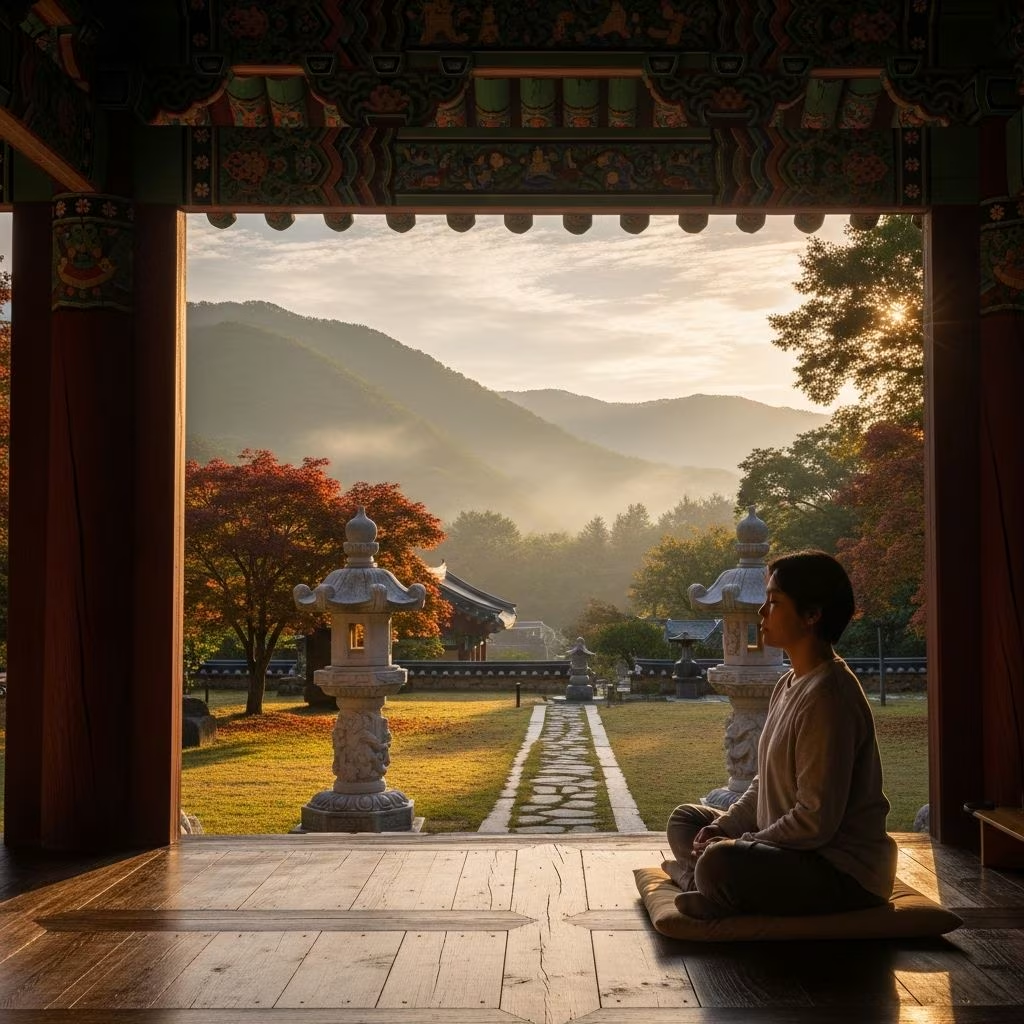
StaysImmerse yourself in the tranquil world of Korean temple stays, where ancient Buddhist traditions meet modern wellness practices. These retreats offer a profound escape from daily chaos, guiding participants through meditation, rituals, and mindful living in stunning natural surroundings.
Understanding the Essence of Temple Stays
Temple stays in South Korea provide an authentic glimpse into monastic life, emphasizing simplicity, silence, and harmony with nature. Rooted in Seon (Zen) Buddhism, these programs welcome beginners without requiring prior experience, fostering personal reflection and spiritual growth.
Participants adopt a monastic routine, rising early for prayers, sharing vegetarian meals, and engaging in contemplative activities. This immersion helps cultivate mindfulness, reduce stress, and deepen cultural appreciation, making it ideal for travelers seeking more than sightseeing.
Types of Temple Stay Programs Available
South Korean temples offer varied programs tailored to different needs and time commitments. Here’s a breakdown:
- One-Day Templestay: A gentle introduction featuring a temple tour, basic meditation, and one ritual session. Perfect for those with limited time, providing a taste of monastic life without overnight commitment.
- Experience-Oriented Templestay: Multi-day (often weekend) programs packed with hands-on activities like crafting lotus lanterns, 108 prostrations, and tea ceremonies. These emphasize active learning of Buddhist practices.
- Rest-Oriented Templestay: Focused on relaxation, with ample time for personal meditation, nature walks, and quiet reflection. Suited for rejuvenation in serene environments.
Most overnight stays span Friday evening to Sunday morning, aligning with weekends for easy access. Programs are led by monks and interpreters, ensuring accessibility for international visitors.
A Typical Day in a Korean Temple Stay
Days follow a structured yet peaceful rhythm synced with nature’s cycles. Expect an early start and early rest, promoting discipline and presence.
| Time | Activity | Purpose |
|---|---|---|
| 4:00-5:30 AM | Wake-up & Morning Prayer | Chanting, bowing, and drum rituals to awaken the mind and body. |
| 7:30 AM | Breakfast (Balwoo Gongyang) | Silent, mindful vegetarian meal emphasizing gratitude. |
| Morning | Meditation or Activities | Seon meditation, walks, or crafts like bead-making for calm focus. |
| 12:00 PM | Lunch | Communal dining with rituals. |
| Afternoon | Rest, Tea Ceremony, or Prostrations | Dialogue with monks, 108 bows for humility. |
| 6:00 PM | Dinner | Final mindful meal. |
| Evening | Evening Prayer & Lights Out (9:00 PM) | Reflection and rest in ondol-heated rooms. |
This schedule instills a sense of rhythm, with silence during meals and activities enhancing introspection.
Core Activities and Rituals to Experience
Temple stays feature time-honored practices that anchor the spirit:
- Seon Meditation (Cham-Seon): Sitting in stillness to observe breath, clearing mental clutter for inner peace.
- 108 Prostrations (Baekbe): Full-body bows symbolizing liberation from 108 earthly afflictions, building physical and mental resilience.
- Balwoo Gongyang: Formal meal ritual where food is received mindfully in bowls, promoting non-waste and appreciation.
- Tea Ceremony: Graceful preparation and sharing of tea with monks, often including philosophical discussions.
- Instrument Rituals: Evening ceremonies with drums and bells, evoking profound calm.
- Crafts: Making lotus lanterns or prayer beads, channeling creativity into mindfulness.
These elements blend physical movement, contemplation, and community, leaving lasting impacts on well-being.
Accommodations and Daily Comforts
Temple lodging embodies minimalism with modern touches. Guests don gray cotton uniforms upon arrival, symbolizing equality and detachment.
Rooms are traditional Korean-style with ondol underfloor heating, yo mattresses on the floor, and shared bathrooms featuring clean showers. Men and women stay separately, often 2-3 per room. Expect fans or AC in summer, cozy warmth in winter, and stunning views of mountains or waterfalls.
Shoes are removed at entrances, socks are worn indoors, and rooms must be tidied before departure, reinforcing respect and cleanliness.
Essential Etiquette for Respectful Participation
To honor the sacred space, follow these guidelines:
- Dress modestly: Cover shoulders and knees; wear socks indoors.
- Maintain silence during meals, prayers, and meditation.
- Bow to monks, altars, and elders; avoid physical contact.
- No meat, alcohol, or strong scents; adhere to vegetarian meals.
- Turn off devices; embrace the digital detox.
- Participate fully—passivity disrupts communal harmony.
These rules foster discipline and mutual respect, enhancing the experience.
Top Temple Stay Destinations Across South Korea
Choose based on location and vibe:
- Bongeunsa Temple (Seoul): Urban oasis in Gangnam with meditation, tea ceremonies, and lotus crafts. Near COEX Mall.
- Myogaksa Temple (Seoul): Mountain retreat offering prostrations and Zen sessions with city views.
- Golgulsa Temple (Gyeongju): Famous for Sunmudo martial arts demos, tea with monks, and rural peace.
- Other Gems: Temples in Busan or Jeju for coastal serenity; check eng.templestay.com for listings.
Many are accessible by public transport, with English support.
Practical Tips for Booking and Preparation
Book via the official Templestay website (eng.templestay.com) or temple sites, 1-2 months ahead, especially weekends. Costs range $50-150 USD per person, covering meals and activities.
Pack light: Comfortable clothes, toiletries, socks. Prepare for early rises and physical activities like bowing. No prior Buddhism knowledge needed—openness suffices.
Frequently Asked Questions (FAQs)
Do I need to be Buddhist to join a temple stay?
No, programs welcome all backgrounds, focusing on universal mindfulness.
What’s the cost and what’s included?
Typically $50-150 for 1-2 nights, including uniform, meals, and activities. Transport extra.
Are temple stays family-friendly?
Some allow children over 7; check specific programs for age policies.
Can I do a temple stay in English?
Yes, many offer interpreters and English materials.
Best time to visit?
Spring (cherry blossoms) or autumn (foliage) for mild weather and beauty.
Why Choose a Temple Stay for Your Korea Trip
Beyond tourism, temple stays offer mental reset, cultural depth, and nature connection. Travelers report reduced anxiety, heightened awareness, and cherished memories. Whether seeking adventure or solace, this journey transforms perspectives.
References
- The Quiet Power of a Korean Temple Stay — Adventure Proud. 2023. https://adventureproud.com/korean-temple-stay-experience/
- The South Korean Temple Stay Program — The Tandem Ramble. 2023. https://thetandemramble.com/destinations/asia/south-korean-temple-stay-program/
- Your Guide to South Korean Temple Stays [& Top 4] — Best Regards From Far. 2025-04-08. https://bestregardsfromfar.com/2025/04/08/your-guide-to-south-korean-temple-stays-top-4/
- South Korea Temple Stay Guide for First Timers — Odynovo Tours. 2024. https://www.odynovotours.com/south-korea/temple-stay-guide.html
- Historical & Cultural Immersion Tour of South Korea with Temple Stay — Kimkim. 2024. https://www.kimkim.com/c/historical-cultural-immersion-tour-south-korea-temple-stay-7-days
- Zen retreat: a beginner’s guide to Korean temple stays — Lonely Planet. 2023. https://www.lonelyplanet.com/articles/zen-retreat-a-beginners-guide-to-korean-temple-stays
- A Korean Templestay Experience: The Best Mental Cleanse — The Tiny Tumbleweed. 2023. https://thetinytumbleweed.com/korean-templestay/
- Templestay | Finding your ‘True self’ — Official Templestay Korea. 2026. https://eng.templestay.com
On This Page
Understanding the Essence of Temple Stays Types of Temple Stay Programs Available A Typical Day in a Korean Temple Stay Core Activities and Rituals to Experience Accommodations and Daily Comforts Essential Etiquette for Respectful Participation Top Temple Stay Destinations Across South Korea Practical Tips for Booking and Preparation Frequently Asked Questions (FAQs) Why Choose a Temple Stay for Your Korea Trip← Previous
Montreal for First-Time Visitors: Best Things to Do
Next →
48 Hours in Vilnius: A Perfect Weekend in Lithuania’s Capital
Related Reading