

 Travel Essentials
 Travel Essentials

Explore Kraków’s medieval Old Town, Wawel Castle, Kazimierz, and unforgettable day trips like Wieliczka Salt Mine and Auschwitz.
 Travel Essentials
Kraków stands as one of Central Europe’s most captivating destinations, offering visitors an intoxicating blend of architectural splendor, rich cultural heritage, and vibrant contemporary energy. This Polish city has managed to preserve its medieval character while embracing modern amenities and cultural institutions that appeal to diverse travelers. Whether you’re a history enthusiast, culinary adventurer, or architecture lover, Kraków delivers an unforgettable experience that rewards exploration at every turn.
Located in southern Poland along the Wisła River, Kraków served as the nation’s capital for centuries and remains its cultural heartland. The city’s remarkable preservation—unusual among Eastern European cities that experienced extensive wartime destruction—has made it one of Europe’s most intact medieval urban centers. This fortunate circumstance means visitors encounter authentic 13th-century architecture alongside contemporary galleries, restaurants, and cultural venues.
The city’s complex history profoundly influences its character. Kraków was home to one of Europe’s largest Jewish communities before World War II, and this heritage remains visible throughout neighborhoods like Kazimierz. Understanding this context enriches any visit and adds depth to encounters with museums, synagogues, and memorials scattered throughout the city.
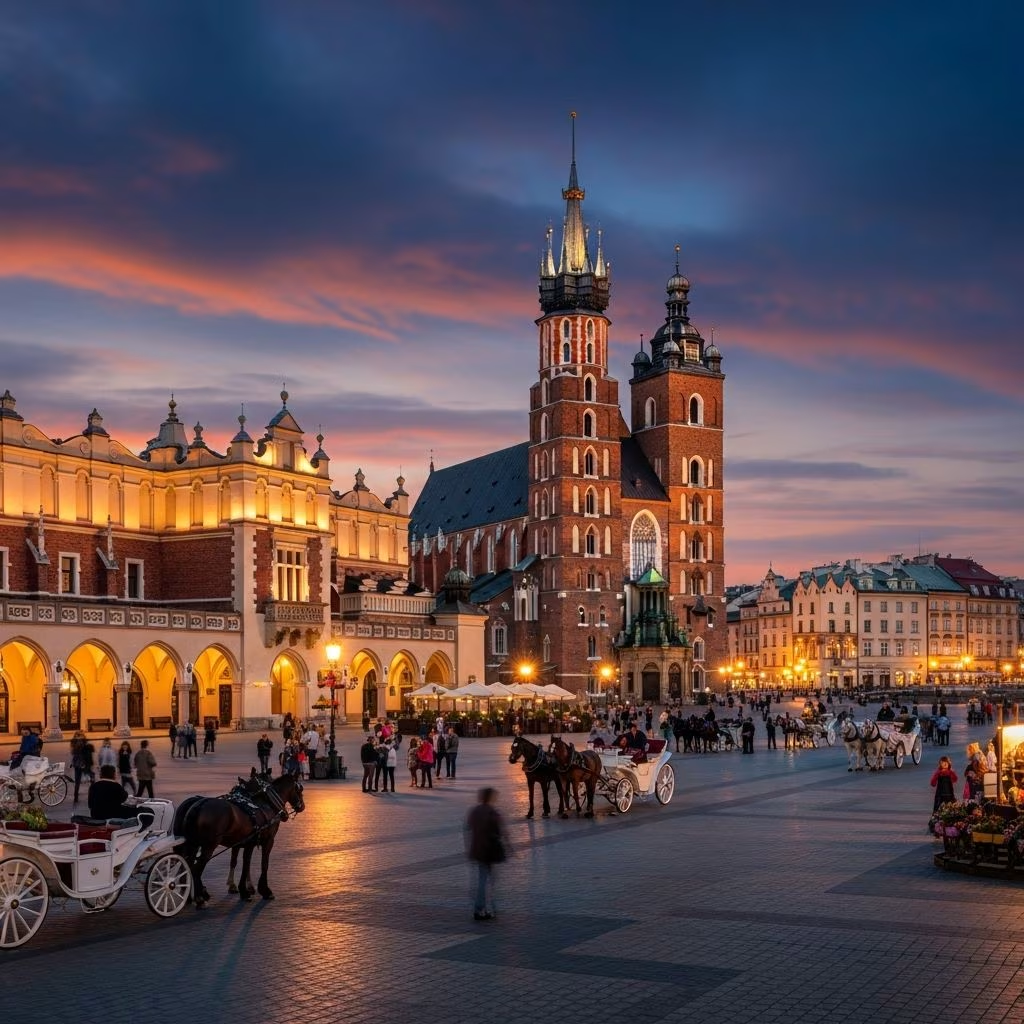
Most visitors begin their Kraków experience in Stare Miasto, the remarkable Old Town that forms the city’s spiritual and geographic center. The primary focal point is Rynek Główny, the main market square, which dates back to the 13th century and claims status as one of Europe’s largest and most aesthetically impressive medieval squares. This vast rectangular plaza encompasses forty meticulously preserved townhouses and palaces, many still bearing their original facades and architectural details.
The square pulses with energy throughout the day. Street musicians perform classical pieces while cafes spill onto cobblestones, creating an atmosphere that feels simultaneously historic and vibrant. Visitors will encounter market stalls, flower vendors, and informal performers, though this liveliness does attract significant tourist traffic. Sitting at one of the approximately thirty cafes and restaurants that line the square remains one of the quintessential Kraków experiences, particularly when paired with traditional Polish cheesecake and coffee.
Dominating the square’s center stands the Cloth Hall (Sukiennice), a Renaissance structure that historically served as the commercial hub for textile merchants. Today it functions as a market for handicrafts, souvenirs, and local goods, offering insight into both historical commerce and contemporary Polish craftsmanship.
Immediately adjacent to the main square, St. Mary’s Basilica presents a striking Gothic silhouette that has dominated the skyline since medieval times. This impressive structure serves as more than architectural decoration—it remains an active parish church where services occur regularly. Visitors should respect these functions while exploring the interior, which contains ornate altars and religious artwork spanning centuries.
The basilica is famous for its hourly trumpet call, the hejnał, which sounds from the tower. This tradition dates back centuries and represents one of Kraków’s most distinctive audio signatures. The melody, which ends abruptly mid-phrase, commemorates a medieval archer killed by Mongol invaders while sounding an alarm.
Perched dramatically on a limestone hill overlooking the Wisła River, Wawel represents Poland’s political and spiritual heart. This complex encompasses both a royal castle and cathedral, each meriting substantial exploration time. The castle itself contains multiple exhibition areas with rotating displays of Polish royal treasures, military history, and decorative arts. Tickets allow time-limited access to specific exhibitions, so visitors should plan strategically when purchasing admission.
Inside the cathedral, visitors encounter numerous altars, chapels, and crypts containing Poland’s royal burials alongside more recent significant figures, including former President Lech Kaczyński. Climbing to the cathedral’s upper levels rewards visitors with expansive city views. The Royal Crypts deserve particular attention for their historical significance and artistic embellishment.
A popular folk legend describes the Wawel Dragon, a fire-breathing creature supposedly vanquished by a resourceful shoemaker. While purely mythological, this tale has spawned numerous artistic representations throughout the complex, including a modern dragon sculpture near the castle entrance that children particularly enjoy.
The castle grounds permit free exploration of exterior areas and courtyards, providing excellent photography opportunities and respite for budget-conscious travelers. Viewing Wawel from across the river, particularly during sunset, creates especially photogenic moments.
Across the Wisła River lies Kazimierz, historically Kraków’s Jewish quarter and now one of Europe’s most compelling districts for visitors interested in cultural history and contemporary creativity. Before World War II, this neighborhood housed one of Central Europe’s most vibrant Jewish communities, a heritage now preserved in buildings, museums, and memorials.
The Oskar Schindler Enamelware Factory represents one of Kazimierz’s most significant attractions. This museum details Schindler’s efforts to protect his Jewish workers during Nazi occupation, using their factory as relative sanctuary. The emotional impact of this space cannot be overstated, and visitors typically spend 60-90 minutes here. Several buildings in Kazimierz still function as synagogues or have been repurposed as cultural spaces, each telling specific stories within the broader Jewish history of Kraków.
Modern Kazimierz has evolved into an artistic and bohemian hub, with galleries, vintage shops, craft breweries, and unconventional restaurants clustered along narrow streets. Street art by renowned artists like Banksy decorates building facades, creating an aesthetic that blends historical preservation with contemporary urban creativity.
Located approximately 101 meters underground and 14 kilometers from the city center, the Wieliczka Salt Mine represents one of Poland’s most unusual and mesmerizing attractions. This UNESCO World Heritage site has been actively mined for centuries, with workers creating an entire underground world within its chambers.
Visitors descend through winding salt corridors to explore three levels of the mine, progressing through passages carved entirely from halite deposits. The highlight emerges when visitors encounter the Chapel of Saint Kinga, an ornate chamber carved entirely from salt, including chandeliers, altars, and floor sections, all fashioned from the mineral. This remarkable space accommodates up to 400 people and occasionally hosts weddings, religious services, and musical performances.
An underground lake, formed by water seeping into the mine, adds another dimension to the experience. Folklore suggests the water contains therapeutic properties for respiratory ailments like asthma, and a small restaurant operates near this lake, allowing visitors to enjoy meals in the surreal underground environment.
Tours typically require 2-3 hours and involve considerable walking and stair climbing, so physical fitness considerations apply. The consistent temperature of approximately 14°C (57°F) year-round means visitors should bring light jackets regardless of season.
Located 65 kilometers from Kraków, Auschwitz-Birkenau represents one of history’s darkest chapters. The Nazi concentration and extermination camp operated from 1940-1945, claiming approximately 1.1 million lives. Visiting requires careful emotional preparation and typically consumes an entire day.
The site remains substantially preserved, with barracks, gas chambers, crematoria, and administrative buildings maintained as historical evidence. English-language guided tours provide essential context for understanding the camp’s layout, prisoner systems, and historical significance. Independent visits are permitted but less informative than guided experiences.
Most visitors find this experience profoundly moving and often emotionally exhausting. It represents mandatory historical education for understanding twentieth-century European history and the Holocaust’s systematic nature. However, individual tolerance for such heavy subject matter varies considerably.
Beyond historic sites, Kraków offers sophisticated cultural experiences through its museums and galleries. The Museum of Princes Czartoryski houses an impressive collection of European artwork and historical artifacts within an elegant 19th-century palace. The Banksy Museum celebrates street art and urban culture, displaying works and information about the renowned anonymous artist’s contributions to global visual culture.
The MOCAK (Museum of Contemporary Art) features rotating exhibitions of Polish and international contemporary artists, representing the city’s engagement with modern creative practice. The Collegium Maius, the oldest building of Jagiellonian University, offers insights into Poland’s academic heritage and Renaissance intellectual traditions.
Planty Park forms a horseshoe-shaped green belt encircling the Old Town, occupying land where medieval city walls once stood. This landscape offers respite from urban density while providing scenic walking paths, fountains, monuments, and landscaped gardens. The park remains exceptionally well-maintained and offers peaceful interludes between museum visits and sightseeing.
Kościuszko Mound, an artificial hill constructed in honor of Polish national hero Tadeusz Kościuszko, provides panoramic city views from its elevated position. The climb involves approximately 139 steps to reach the summit observation platform.
For nature enthusiasts, Ojców National Park offers 14th-century castle ruins, cave systems including the region’s largest cavern, and forested landscapes providing authentic Polish countryside experiences. The park lies approximately 25 kilometers north of Kraków and represents an excellent half-day excursion.
Polish cuisine emphasizes hearty, flavorful preparations featuring meat, potatoes, cabbage, and traditional spices. Milk bars (bar mleczny) represent distinctly Polish dining establishments serving economical traditional meals in casual environments. These venues provide authentic culinary experiences without premium pricing, making them ideal for budget-conscious travelers seeking genuine local food culture.
More upscale dining options populate the Old Town and Kazimierz, offering contemporary interpretations of Polish culinary traditions. Restaurants emphasizing seafood, like Farina, import fresh Mediterranean fish multiple times weekly, creating innovative dishes that blend Polish technique with international ingredients.
| Duration | Primary Activities | Day-Trip Options |
|---|---|---|
| 2 Days | Old Town, Wawel, Kazimierz | Wieliczka Salt Mine |
| 3 Days | Above plus museums and parks | Ojców National Park |
| 4 Days | All major sites | Auschwitz-Birkenau |
Kraków’s compact size means most attractions lie within walking distance or short tram rides of each other. The city features extensive public transportation including trams and buses, though walking remains the preferred method for exploring historic districts. A multi-day transit pass offers economical options for frequent travelers.
Kraków’s evening scene varies dramatically by district and day of week. The Old Town caters predominantly to tourists with traditional restaurants and casual bars. Kazimierz embraces more bohemian nightlife, featuring craft beer establishments, jazz clubs, and late-night venues catering to younger crowds.
Specialized venues like Klub Wodki, featuring a distinctive glowing green mushroom bar aesthetic, appeal to travelers seeking memorable evening experiences. The Rubinstein Hotel’s rooftop bar provides elevated vantage points for viewing Wawel Hill at dusk while enjoying cocktails with panoramic city backdrops.
Spring (April-May) and autumn (September-October) offer pleasant weather, lower tourist density than summer, and lower prices than peak season. Winter brings Christmas markets and atmospheric snowy scenes but requires cold-weather preparation.
A minimum two-day visit allows exploration of primary sites like Wawel and the Old Town. Three to four days permit deeper cultural engagement, museum visits, and day-trip options without feeling rushed.
Yes, the memorial lies 65 kilometers away with organized tours departing regularly. However, the emotionally challenging nature of this visit means it deserves thoughtful scheduling and full-day commitment rather than rushed excursions.
Kraków’s remarkable preservation of medieval architecture, combined with its position as a major cultural center and its complex historical narrative encompassing both Jewish heritage and World War II tragedy, creates a uniquely compelling destination that transcends typical European city tourism.
