

 Travel Essentials
 Travel Essentials

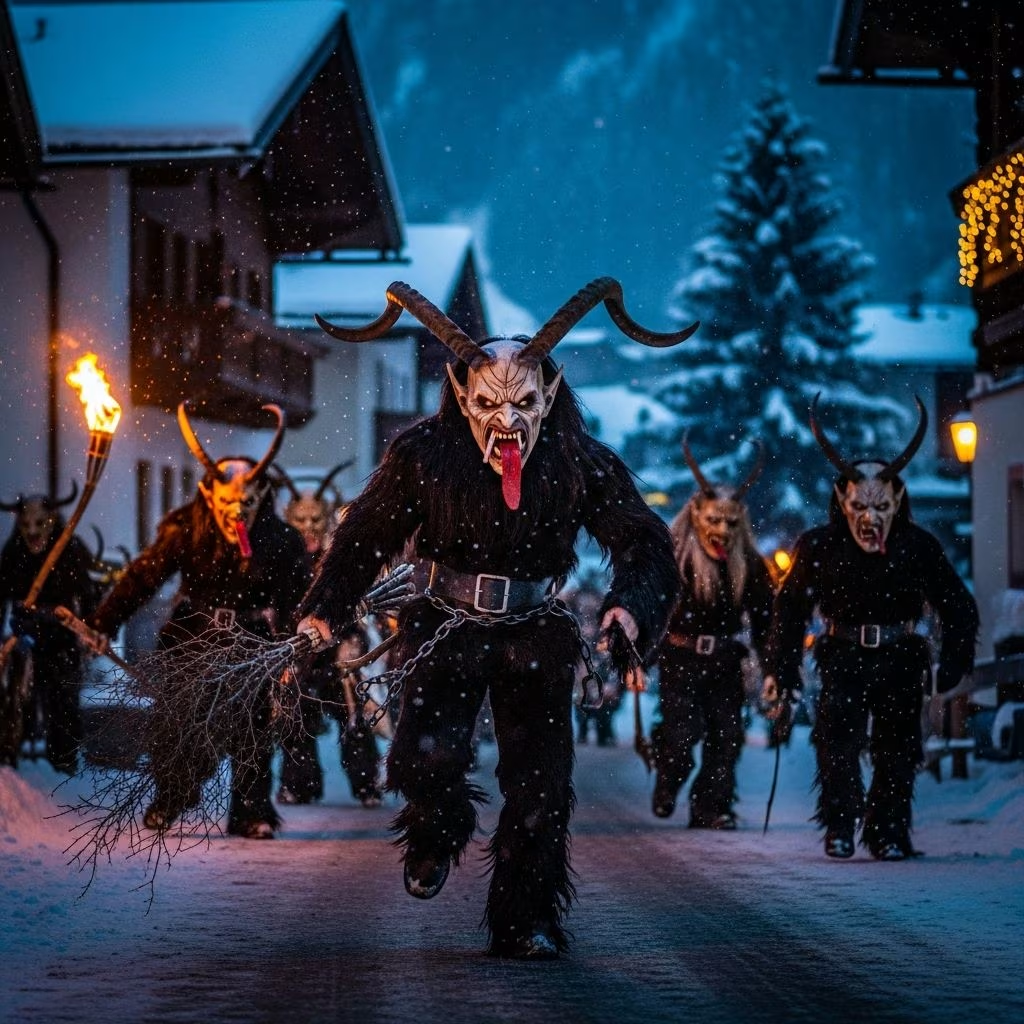
Explore Austria's Krampus runs, terrifying yet captivating traditions blending pagan roots with Christmas, featuring horned beasts in snowy parades across Tyrol and Salzburg.
 Travel Essentials
Every December, Austria’s mountainous regions erupt into a frenzy of clanging bells, snarling beasts, and flickering torchlight as locals don elaborate costumes to embody Krampus, the horned counterpart to Saint Nicholas. These Krampus runs transform quiet villages into stages for a primal ritual that scares off winter’s gloom while captivating onlookers with its raw energy.
Deep in the Alps, Krampus emerges from pre-Christian pagan rites celebrated during the winter solstice. Ancient communities believed malevolent spirits prowled the long nights, prompting villagers to craft fearsome masks of demons with curling horns and jagged fangs to banish them. This figure, often depicted with claws—deriving its name from the Italian ‘grappa’ for claw—pairs with Saint Nicholas on December 5th, Krampusnacht, to reward the good and punish the naughty.
Closely related are the Perchten, spectral beings tied to the goddess Perchta, who judge souls during the Twelve Nights from solstice to Epiphany. These divide into benevolent Schönperchten with ornate, beautiful masks and fearsome Schiachperchten boasting grotesque features designed to terrify. Clad in shaggy pelts or flowing robes, they shake massive cowbells to shatter evil’s hold on the land. In regions like Tyrol, Krampus and Perchten traditions sometimes blur, creating hybrid displays of devilish Tuifl (devils) and bell-wielding processions.
Austria’s Alpine heartlands host some of Europe’s most intense Krampus spectacles, drawing thousands to witness the chaos. In Salzburg, parades around December 6th fill streets with over 200 custom passes—routes where costumed figures rampage, their handmade wooden masks gleaming under torchlight. These events, alongside famous Christmas markets, offer a stark contrast between serene Advent singing and the thunderous advance of beasts.
Dates fluctuate yearly, so checking local schedules is essential, as runs ignite from late November through January, peaking near Saint Nicholas Eve.
At the core of every run lies craftsmanship passed down generations. Masks, carved from wood by skilled artisans, feature exaggerated snarls, glowing eyes, and twisting horns that can weigh several pounds. Fur pelts—often real goat or sheepskin—cover bodies, paired with iron chains, birch switches for ‘punishing’ onlookers, and enormous bells strapped to chests or backs.
| Costume Element | Description | Symbolic Purpose |
|---|---|---|
| Wooden Masks | Hand-carved with fangs, horns, exaggerated features | Embody demons/spirits to ward off evil |
| Bells & Chains | Heavy cowbells, rattling chains | Drive away winter spirits with noise |
| Furs & Pelts | Shaggy animal hides, sometimes robes | Invoke wild, primal forces of nature |
| Switches/Birch Bundles | Rods for light swatting | Punish misbehavior playfully |
Perchten variants add variety: Schönperchten dazzle with intricate, gilded designs, while Schiachperchten prioritize horror with distorted visages. In Tyrol, some groups incorporate regional twists, like devilish Tuifl outfits blending Krampus ferocity with Percht elegance. These aren’t mass-produced; each pass maintains authenticity through local guilds.
Attending a Krampuslauf feels like stepping into a fever dream. As dusk falls, torchbearers line cobblestone streets, and the air fills with anticipation. Suddenly, a distant roar builds—bells clashing like thunder, hooves pounding snow. Beasts burst forth, towering figures lunging at crowds, playfully grabbing adults or ‘chastising’ with switches.
The energy is electric: children squeal in mock terror, adults laugh nervously as fur-clad demons circle. Unlike sanitized holiday parades, this is interactive—Krampus may chase you down alleys or hoist you briefly skyward. Safety has evolved; modern runs channel medieval free-for-alls into organized spectacles, but the thrill remains visceral. In larger events like Seefeld, waves of 600+ performers create a sensory overload of growls, jingles, and firelight.
To immerse in this Alpine oddity, time your visit for early December. Base in hubs like Salzburg, Innsbruck, or Tyrol villages for easy access. Book accommodations early—festive seasons swell crowds. Dress warmly: nights plunge below freezing amid snow-dusted streets.
Respect traditions: stand back if crowds thicken, and embrace the ‘punishment’ as fun. Families note: while thrilling for older kids, the intensity suits ages 8+. Combine with Christmas markets for contrast—gentle glühwein by day, demonic revelry by night. Public transport serves most sites, but rentals aid remote villages.
Once suppressed by churches wary of pagan echoes, Krampus thrives today through dedicated clubs. These preserve masks via apprenticeships and adapt runs for tourists without diluting essence. UNESCO recognizes similar Alpine rites, underscoring their cultural weight. Climate challenges and urbanization test continuity, yet passion endures.
Visitors often leave transformed, pondering how this dark flip-side enriches holiday joy. It’s a reminder that light needs shadow.
Primarily December 5th (Krampusnacht), but events span late November to early January, varying by village.
Suitable for school-age kids and adults; very young children may find the costumes frightening.
Krampus punishes naughty children with Saint Nicholas; Perchten, tied to Perchta, drive winter spirits via bells, split into good/evil types.
Check regional tourism sites like salzburg.info or tyrol.com for annual listings.
Yes, modern runs are controlled parades; participants interact playfully but avoid harm.
